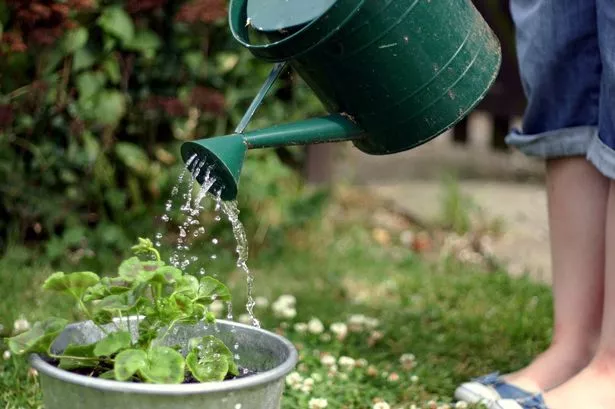
Watering plants might appear easy—just water them when they require it, right? Well, it’s not always as simple as that. One of the most common blunders gardeners make is watering at the wrong time, which can cause root rot, fungal infections, pest infestations, and even the death of plants.
This guide will cover:
The worst times to water plants (and why they’re detrimental)
The optimal times to water for best absorption
How to know when your plants are overwatered or underwatered
Clever watering strategies to maintain plant health
Popular myths and expert advice for effective irrigation
Let’s get started!
Why Watering at the Wrong Time Damages Plants
Plants draw in water via their roots, but timing is everything when it comes to how efficiently they do so. Watering during high evaporation rates (such as midday) squanders water and stresses plants. Watering too late in the day, on the other hand, encourages fungal development.
They say that over-watering is one of the most common mistakes, and it’s a top reason for plant disease and poor growth, according to the University of California Agriculture and Natural Resources. Let’s dissect the worst times to water—and what to do alternatively.
1. Noon – The Worst Summer Time to Water
Why It’s Bad:
High evaporation: As much as 50% of the water can be lost due to evaporation while watering during the hottest hours (Source: USDA).
Leaf scorch: Raindrops function as miniature magnifying glasses, searing leaves during strong sunlight.
Root stress: Plants can’t drink water quickly enough before it evaporates, and roots end up dry.
What to Do Instead:
Water during early morning hours (5–9 AM) when it is cooler.
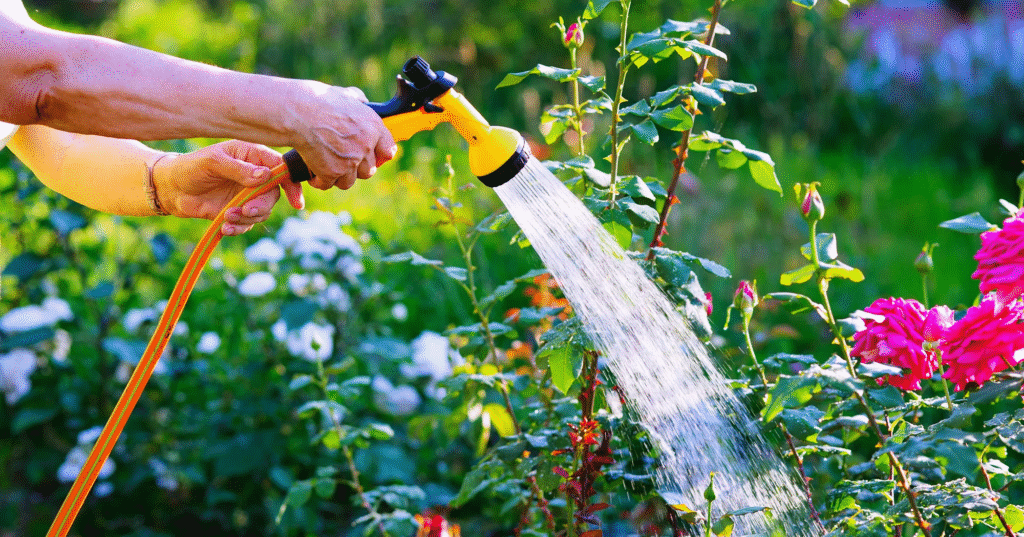
Utilize drip irrigation or soaker hoses to provide water directly to roots.
2. Late Evening – A Controversial Time
Why Some Gardeners Recommend It:
Lower temperatures minimize evaporation.
Plants have all evening to soak up moisture.
The Hidden Dangers:
Diseases caused by fungi (such as powdery mildew) love wet, cool conditions (Source: Penn State Extension).
Slugs and snails are nocturnal and love wet soil.
Best Practice:
Watering at least 2–3 hours before sunset if you must water in the evening so leaves will dry by nightfall.
3. Late Afternoon – Still Too Hot
Why It’s Not Effective:
Rates of evaporation are still too high until sunset.
Water on leaves can still sunburn.
Improved Alternative:
Early morning is ideal, but if you have to water later, wait until after 4 PM when the sun is not as strong.
4. After Plants Have Wilted – Too Late!
Why Waiting for Wilting is Risky:
Wilting could be underwatering, overwatering, disease, or pests.
Stressed plants are more prone to insects and infections.
How to Check Properly:
Finger test: Insert your finger 2 inches deep—if dry, water; if damp, wait.
Leaf check: Dry leaves are crunchy, overwatered leaves are soggy and yellow.
5. After Heavy Rain – A Common Mistake
Why It’s Harmful:
Root suffocation: Excessive water forces oxygen out of the soil.
Fungal diseases (such as root rot) develop in waterlogged soil.
What to Do Instead:
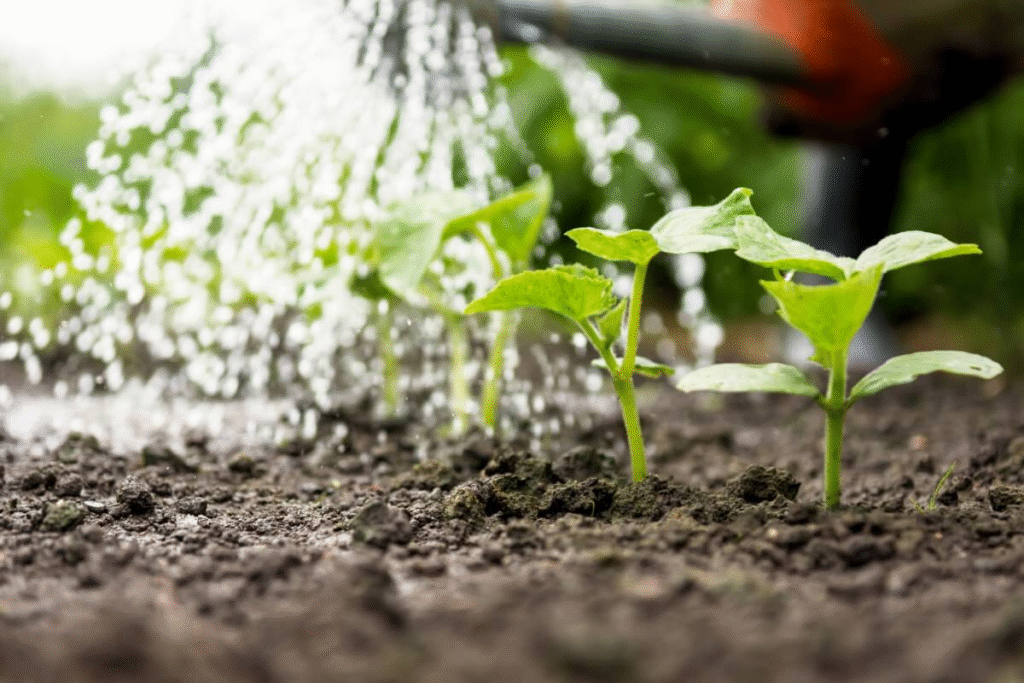
Check soil moisture before watering.
Enhance drainage with organic compost or raised beds.
The Best Time to Water Plants
Texas A&M Agri Life Extension suggests early morning (prior to 10 AM) as the best time since:
✅ Lower evaporation
✅ Strong root absorption
✅ Leaves dry quickly, minimizing disease
For lawns: Water 6–10 AM for deep root development (Source: University of Minnesota Extension).
Watering Tips for Various Plants
Plant Type\t Watering Needs
Vegetables\t Deep watering 2–3 times/week (increased in heat)
Containers\t Check daily—pots dry out faster
New Plants\t Light frequent watering until established
Lawns
1 inch per week (early morning)
Smart Watering Techniques
Use a Moisture Meter – Eliminates guessing with watering.
Mulch Your Soil – Decreases evaporation by as much as 70% (Source: USDA).
Install Drip Irrigation – Conserves water and avoids leaf diseases.
Water at the Base – Don’t wet leaves to avoid fungal problems.
Common Watering Myths Debunked
❌ Myth: “Watering at night is okay if you don’t touch leaves.”
✅ Truth: Wet soil at night still invites pests and disease.
❌ Myth: “Wilting always means thirst.”
✅ Truth: Overwatering can also cause wilting due to root rot.
Final Thoughts
Watering at the wrong time can do more harm than good. Stick to early mornings, avoid midday heat, and always check soil moisture first. By following these science-backed tips, you’ll keep your plants healthy, save water, and prevent disease.