
Spotting an Overwatered Snake Plant
There are some clear signs that your snake plant is getting too much water. The key is to catch the problem early—before root rot takes hold and kills the plant. Snake plants are beloved houseplants, prized for their striking looks. When overwatered, they’ll show their unhappiness through their leaves first. Overwatering succulents (which includes snake plants) is one of the top reasons these plants struggle. Other factors that lead to overwatering are dense soil, poor drainage, and seasonal changes.
How to Tell If Your Snake Plant Is Overwatered
Worried you’ve been too generous with water? Snake plants are succulents, even if they don’t have the usual plump leaves or spines. Like all succulents, they store water and hate sitting in soggy soil. Too much moisture cuts off oxygen, encourages disease, and weakens the roots’ ability to absorb water and nutrients.
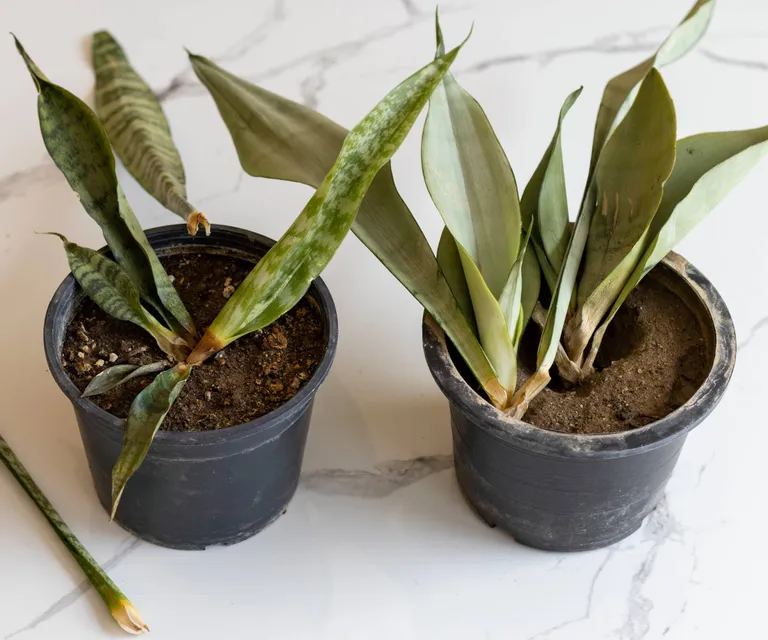
An overwatered snake plant will show symptoms in its leaves first. You’ll notice them turning yellow or brown. Check if the leaves are drooping or feel soft and mushy—healthy leaves should be firm and sturdy. Black spots may appear, and the foliage might start sagging. In bad cases, you might see a white fungal layer on the soil, soil gnats buzzing around, or even rotting roots.
Fixing an Overwatered Snake Plant
If you catch it early, just stop watering until the soil dries out completely—down to the drainage holes. Trim any badly damaged leaves.
If the leaves are mushy, take the plant out of its pot and check the roots. Root rot is the usual culprit when these plants die. If the roots are dark brown or black, smelly, and soft, the damage might be severe. But if at least half the roots are still healthy, you can try saving it. Use clean, sharp scissors to cut away the rotten roots.
Clean the pot with a bleach-water mix and let it air dry. Don’t reuse the old soil—it could be full of harmful fungi. Repot the plant in fresh succulent or cactus mix (something that drains well), placing it at the same depth as before. If you want, you can treat the roots with antifungal powder or dip them in a weak bleach solution (1 part bleach to 6 parts water).
When and How Much to Water a Snake Plant

To avoid overwatering, follow these tips. There’s no exact schedule—how much and how often you water depends on several things:
- Location: A plant near a heater will dry out faster than one in a cooler spot.
- Soil type: Regular potting soil holds more water because of the peat in it.
- Pot size & material: A big pot holds more moisture, while a root-bound plant dries quickly. Unglazed pots dry faster than glazed ones.
- Environment: A snake plant outdoors in summer (exposed to sun and wind) will need more water than an indoor one.
- Drainage: More drainage holes = better water flow.
Since so many factors affect drying time, there’s no one-size-fits-all rule. Use a moisture meter or your finger to check the soil—only water when it’s completely dry all the way down.
In winter, snake plants go dormant and grow very little. During fall and winter, water only about once a month. Remember: It’s better to underwater these tough plants than to drown them. They can handle dry spells and will bounce back when watered again.