Sunflowers (Helianthus annuus) are probably one of the simplest flowers to grow in your garden. They’re so easy that they’re often used to introduce little ones to the joys of gardening. Many gardeners have sweet memories of planting those big black-and-white seeds from giant sunflowers and marveling as they shot up toward the sky. But just because sunflowers are low-maintenance doesn’t mean they don’t deserve a spot in an adult’s garden. The variety available to home gardeners is truly incredible, and as a bonus, sunflowers can help bring local birds to your yard.
What Sunflowers Look Like
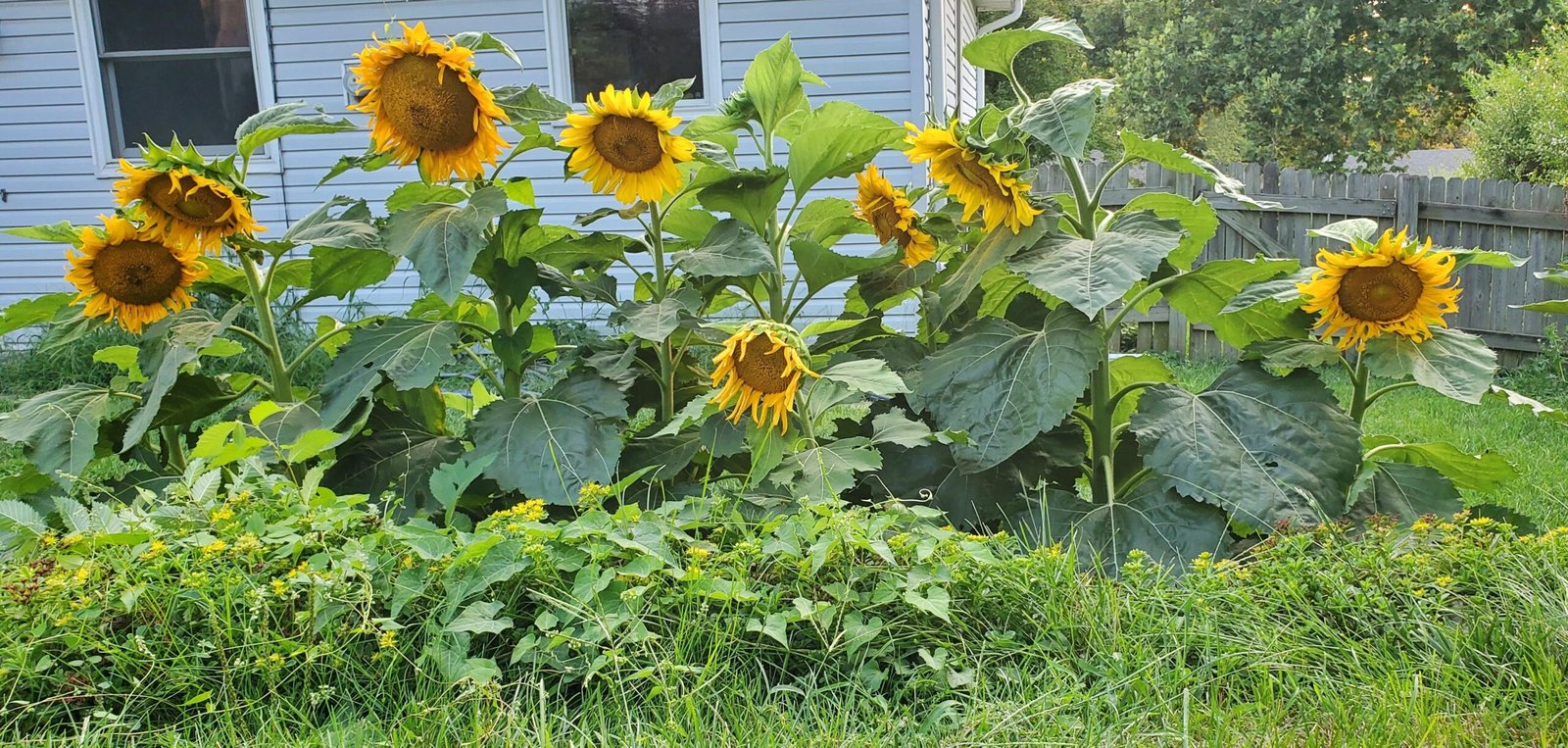
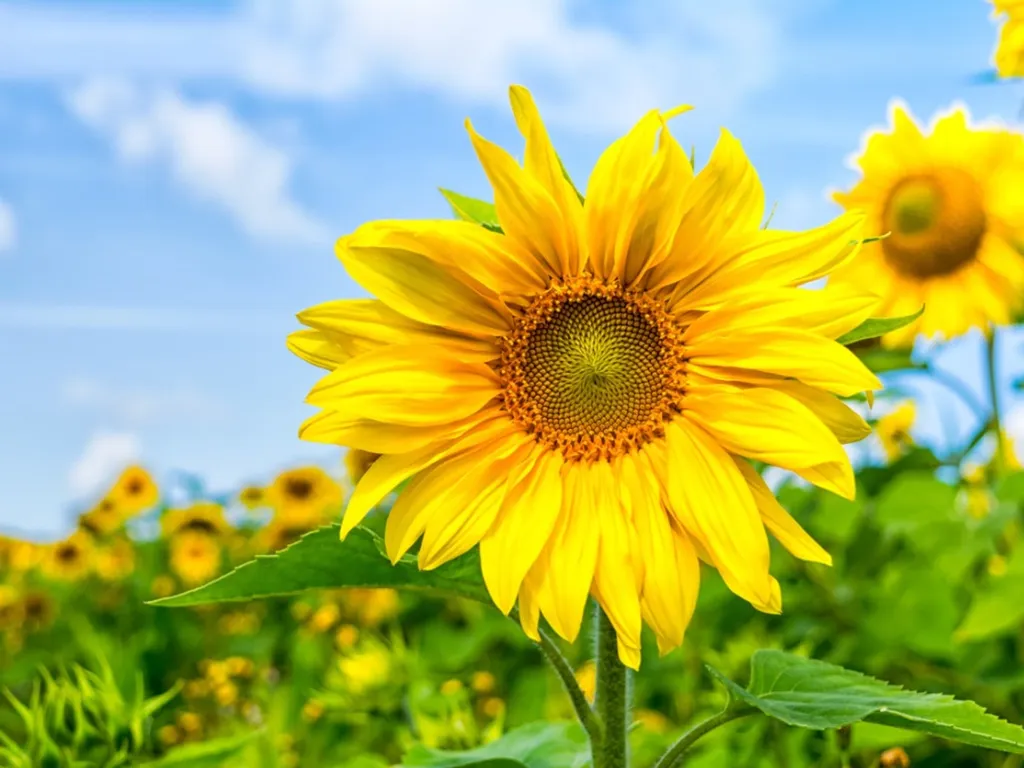
Sunflowers come in all sizes, from dwarf varieties that barely reach a foot and a half (46 cm) to towering giants over 12 feet (4 m) tall. Their colors range from soft, pale yellows to deep burgundy reds, with every shade of yellow, red, and orange in between. They also vary in petal count—while the classic single-petal type is still the most common, you’ll find plenty of double-layered and fluffy “teddy bear” varieties too. With so many options, adding sunflowers to your garden guarantees it’ll never look dull.
Tips for Adding Sunflowers to Your Garden
If you’re thinking of planting sunflowers, here are a few things to remember:
- Sunlight is key—they’re called sunflowers for a reason! Pick a spot that gets full sun.
- Soil isn’t a big deal—sunflowers aren’t fussy, but like any plant, they’ll thrive in better soil.
- Watch out for grass—sunflower seed shells contain a substance that’s toxic to grass. Either harvest the heads before seeds drop or plant them where grass dying won’t bother you.
- Mind the height—a giant 12-foot (4 m) variety can act like a small tree, casting shade on nearby plants.
As mentioned, sunflowers attract birds. When the growing season ends, you can harvest the heads and use the seeds to feed birds through winter. You’ve got two options:
- Leave the heads outside—easy, but birds might make a mess while plucking seeds.
- Remove seeds and use a feeder—more effort, but tidier and safer, keeping birds out of predators’ reach.
So even if you have nostalgic memories of tall yellow sunflowers from childhood, give this garden classic another shot—you might rediscover just how amazing they are!