Orchids are famous for their stunning shapes and mesmerizing colors, winning the hearts of both beginners and experienced growers. While some varieties have a reputation for being tricky to care for, most thrive with minimal effort. But sometimes things go sideways, and if you notice wrinkled orchid leaves, it’s crucial to figure out what’s going wrong.
First things first—giving your orchid the right growing conditions is key to avoiding common issues. This mostly comes down to proper moisture, light, and temperature, though other factors matter too. Poor care stresses orchids, making them more vulnerable to pests and diseases. Wrinkled leaves are often the first warning sign that something’s off.
The good news? Wrinkled leaves are usually temporary and rarely caused by diseases. In this guide, we’ll break down the reasons behind wrinkled orchid leaves and how to fix the problem.
Identifying Wrinkled Orchid Leaves
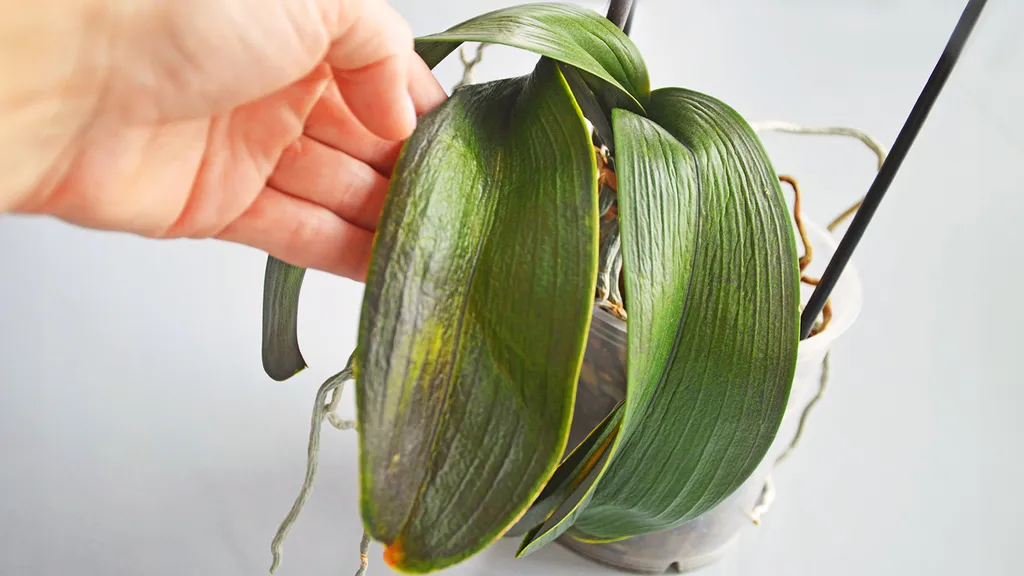
A plant’s leaves tell you a lot about its health. Healthy orchid leaves should be firm, slightly rubbery, and stand upright above the pot. Their color should be even, ranging from light to medium green.
If leaves suddenly wrinkle, it’s often a sign of stress. You’ll notice deep ridges on the surface, and the foliage may droop, feeling leathery over time. In severe cases, wrinkled leaves can turn yellow, brown, and eventually die back.

Common Causes of Wrinkled Orchid Leaves
Wrinkling usually happens due to watering problems, but other factors can play a role.
1. Underwatering
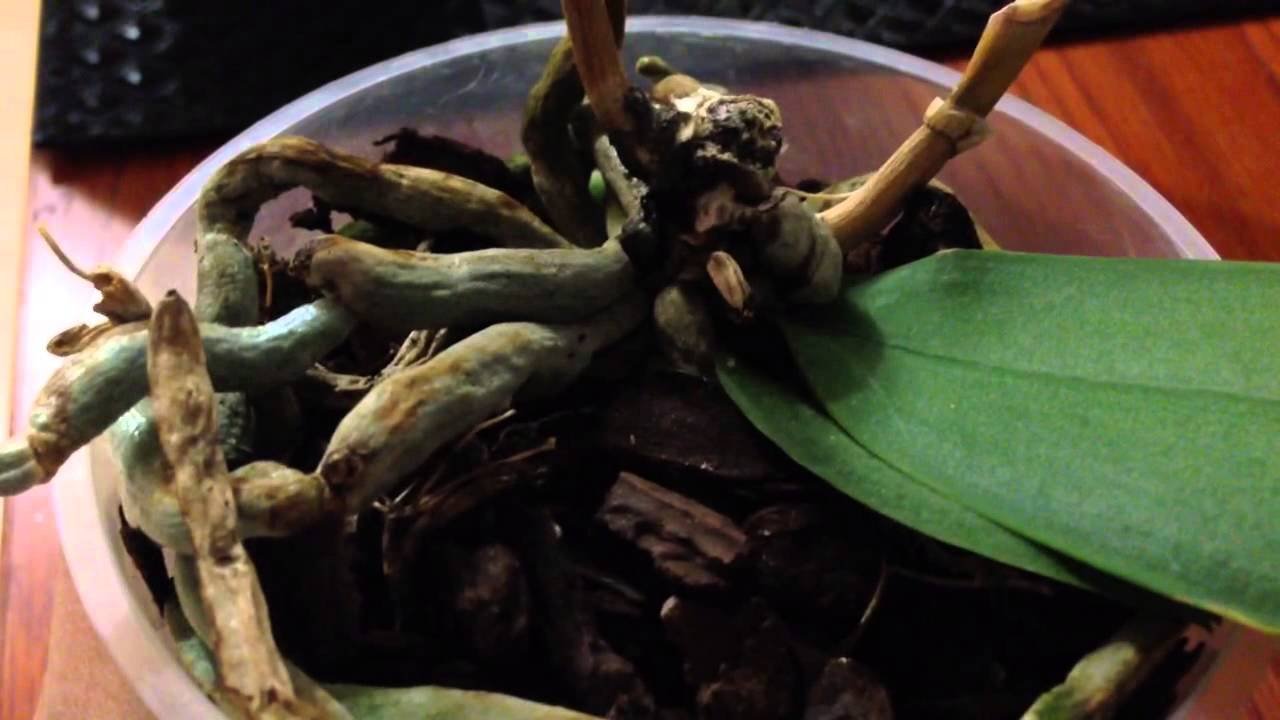
Thin-leaved orchids like Dendrobium, Miltonia, and Cymbidium often wrinkle from lack of water. Extremely thirsty plants may wilt, and their roots can dry out, becoming brittle—especially noticeable during repotting.
For thick-leaved orchids (like Phalaenopsis and Cattleya), inconsistent watering is often the issue—long dry spells followed by overwatering can trigger wrinkling.
2. Overwatering
All orchids can develop wrinkled leaves from overwatering. Roots soften first, then rot—the #1 orchid killer. Rotten roots can’t absorb water or nutrients, leading to wrinkling. Act fast to save your plant.
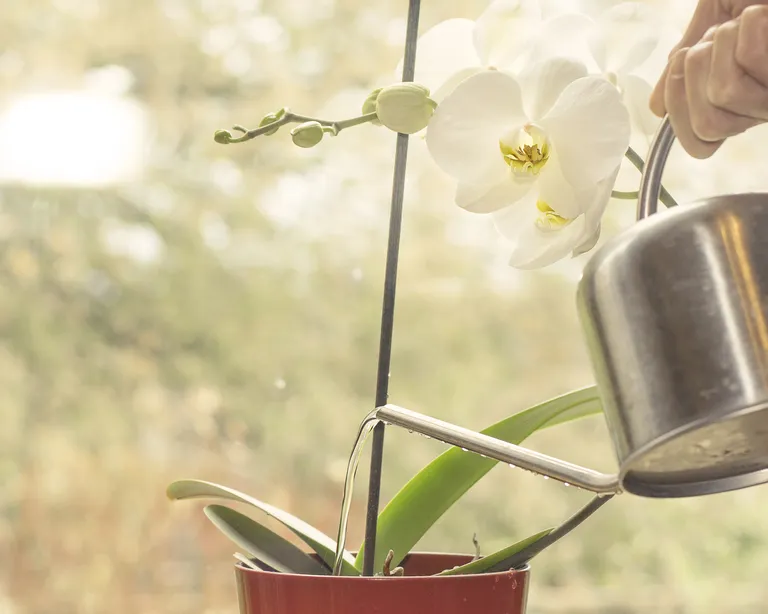
Watering tip: Don’t stick to a schedule. Check the potting mix by feeling it, checking drainage holes, or (if the pot is clear) looking for condensation. If it’s moist, wait; if dry, water.
3. Nutritional Issues
Yellow, wrinkled leaves may mean nutrient deficiency. Big orchids drain their potting mix fast, so fertilize monthly during growth with a water-soluble orchid feed.
Old, broken-down potting mix can also cause deficiencies. If it’s been a while, repot with a fresh orchid mix (containing peat moss, perlite, or fir bark—never regular soil).
4. Environmental Stress
Sudden changes in light, temperature, or humidity can stress orchids, leading to wrinkling. Too much direct sun can dehydrate and burn leaves. Most orchids prefer bright, indirect light.
5. Pests
Sap-sucking bugs like aphids, scale, and thrips can cause wrinkling, along with other signs (yellowing, leaf damage, or visible bugs). Check plants regularly—pests can often be rinsed off or treated with neem oil.
How to Fix Wrinkled Orchid Leaves
Quick action is key. While badly damaged orchids may not recover, most bounce back with care.
- Adjust watering: Set a consistent routine—keep the mix lightly moist but never soggy. Bottom-watering (soaking the pot) works well, but let it drain fully afterward.
- Check nutrients: Feed regularly, especially before flowering.
- Maintain warmth & humidity: Stable conditions prevent stress and encourage healthy growth.
Severely damaged leaves (wilted, yellowed, or brown) won’t recover. Remove them to prevent disease spread.
More Orchid Inspiration
- 8 rare orchids that make stunning (and surprisingly easy) houseplants.
- Drain Drawer Pots (available in the Shop) let you soak the mix, then drain excess water effortlessly.
- Should you water orchids with ice cubes? The debate explained.
- Why is my orchid dying? 5 common causes & how to save it.