
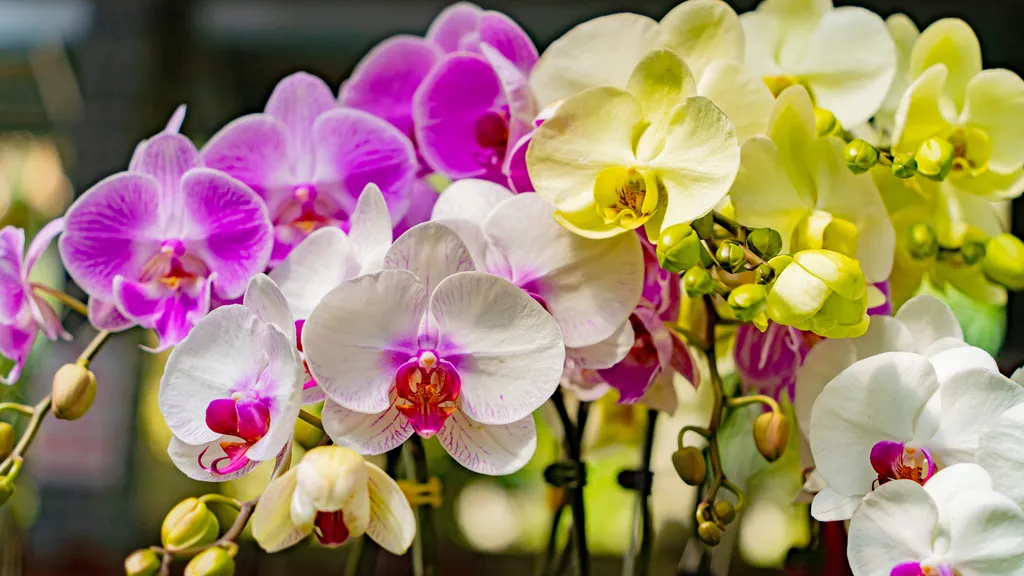
Orchids are beloved as houseplants, but they’ve gotten a bit of a bad rap for being tricky to grow. Keeping an orchid alive isn’t hard, but getting it to bloom again can be a bit of a challenge. Feeding your orchid is a big part of keeping it healthy and encouraging those gorgeous flowers, but you don’t need to splurge on pricey products. Homemade orchid fertilizer can work just as well as store-bought options—and you can usually whip it up for free using kitchen scraps.
Fertilizing is especially important for potted orchids because, over time, their potting mix loses nutrients. In nature, orchids absorb nutrients from decaying plant matter around them, so feeding them at home makes up for that missing natural supply.
I’ve found that making my own fertilizer adds a fun little step to my orchid care routine, and the results speak for themselves—more blooms and lush, healthy leaves. The ingredients I use are mostly organic, and you can mix and match them to meet different nutritional needs.
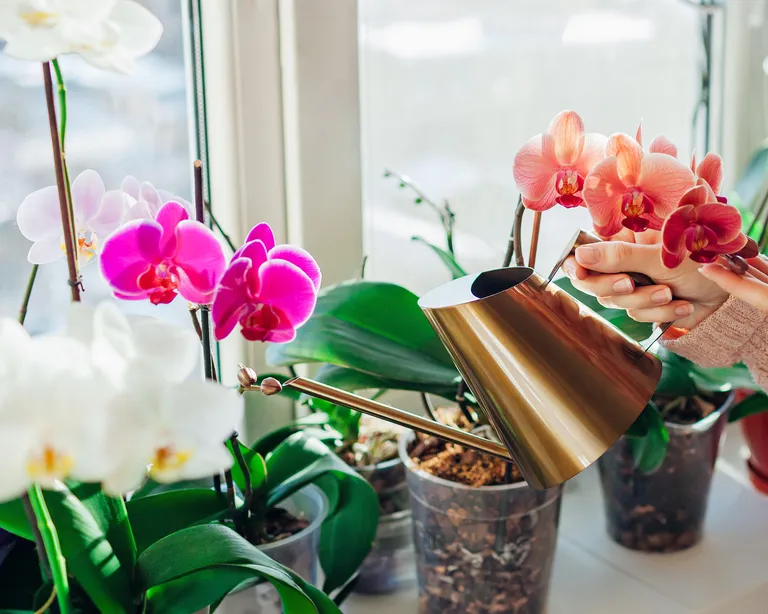
Orchid Fertilizing Basics
There are tons of orchid varieties, and while some have slightly different feeding needs, most follow the same general growth pattern and do well on a similar feeding schedule. The best time to fertilize is during their active growth phase, which happens before they flower.
A light touch is key—orchids are sensitive to overfeeding. I stick to a routine of feeding every week for three weeks during active growth, then skipping a week and just giving water.
After blooming, orchids take a break (a dormant period). It’s best to stop fertilizing once buds appear and throughout this rest phase.
Like all plants, orchids need three main nutrients: nitrogen for leaves, phosphorus for roots and flowers, and potassium for overall health. They also need trace minerals like calcium, magnesium, iron, copper, zinc, sulfur, manganese, and molybdenum.
Store-Bought vs. Homemade Fertilizer
Orchids are more prone to fertilizer burn than other plants, which can stunt growth and prevent blooming. Commercial fertilizers can work if used carefully, but you should avoid feeding during dormancy, bud development, and right after repotting.
Homemade fertilizers are usually milder, so they’re less likely to overfeed. The downside? It’s trickier to nail the right nutrient balance. You might accidentally underfeed and miss key nutrients. But I’ve found that mixing ingredients and sticking to a routine helps avoid problems.
Homemade Orchid Fertilizer Ingredients
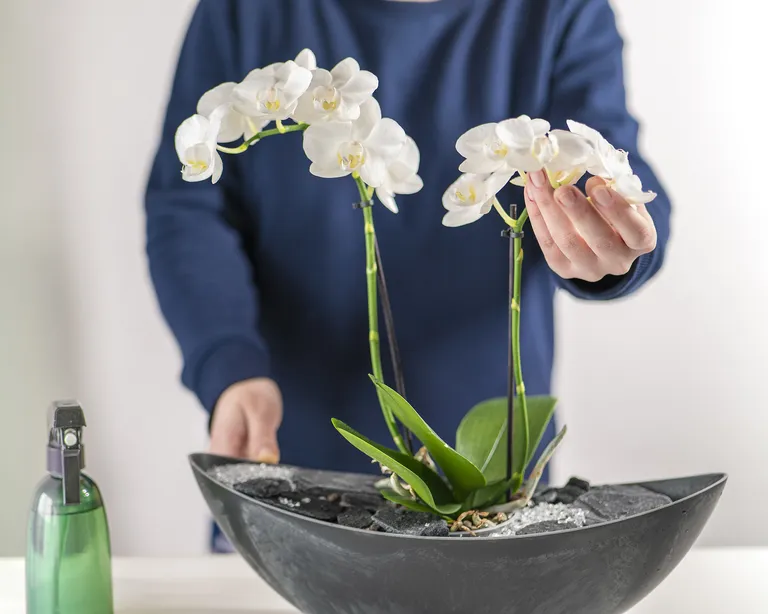
Plenty of orchid-friendly nutrients are hiding in your kitchen or medicine cabinet. Here are some gentle, effective options:
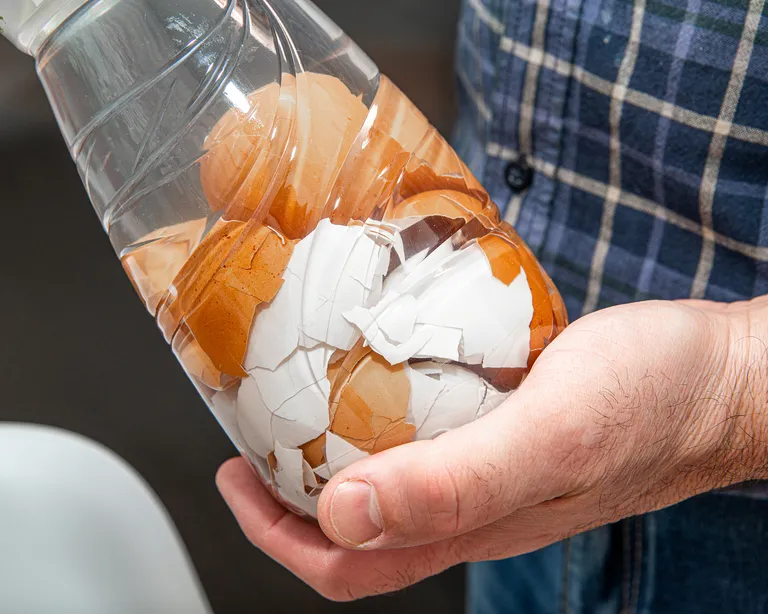
Eggshells – Packed with calcium, which strengthens cell walls. Grind clean, dry shells into a powder and mix them into the potting medium. Every watering will release a bit of calcium.
Banana Peels – Soak chopped peels in water for a few days to make a potassium-, phosphorus-, and calcium-rich “tea.” Dilute it before using.
Milk – Contains all three macronutrients plus calcium and magnesium. Mix one part milk with four parts water and use every couple of weeks.
Rice Water – The starchy water left after boiling rice is full of nutrients that help root growth. Let it cool before using. Brown rice water is even more nutritious.
Blackstrap Molasses – More than just sugar—it’s loaded with calcium, magnesium, iron, and potassium. Use 1 teaspoon per gallon of water. It also feeds beneficial microbes.
Black Tea – A natural nitrogen source. Unlike urea (found in many fertilizers), tea’s nitrogen is easily absorbed by orchids. Use cooled tea once a month.
Mixing two or three of these gives your orchid a balanced diet. If you’re unsure where to start, try my bone meal recipe below.
My Bone Meal Fertilizer Recipe
Bone meal is great for many plants, and you can make your own with dried chicken bones (rich in macronutrients, calcium, and magnesium). Here’s how:
- Grind dried bones into a sand-like powder (not too fine).
- Mix the bone meal with milk (1 part milk to 4 parts water—or rice water).
- Add a teaspoon of molasses for extra potassium.
- Thin with rice water for starch (great for roots).
- Strain and dilute before using weekly.
Can I Use Homemade and Store-Bought Fertilizers Together?
If you’re very careful and know exactly what’s in both products, you can combine them. But it’s easy to overdo it. To play it safe, stick with one or the other.
More Orchid Inspiration
- Wrinkled orchid leaves? Here are 5 common causes and how to fix them.
- Check out the Gardening Know How Shop for indoor gardening must-haves—from rare houseplants to perfect pots.
- These 8 rare orchids make stunning (and sometimes easy!) houseplants.
- Should you water orchids with ice cubes? Weighing the pros and cons.
- Get gardening tips and inspiration straight to your inbox—sign up for the Gardening Know How Newsletter!