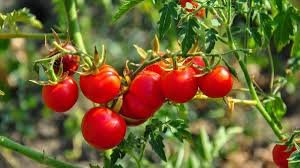
Tomatoes are a quintessential part of many gardens during late summer, but what if you’ve waited until June to plant them? A common question among gardeners is whether June is too late to plant tomatoes. The answer isn’t straightforward—it depends on a few factors. While timing is important, with the right approach, you can still successfully plant tomatoes and enjoy a harvest in late summer or early fall.
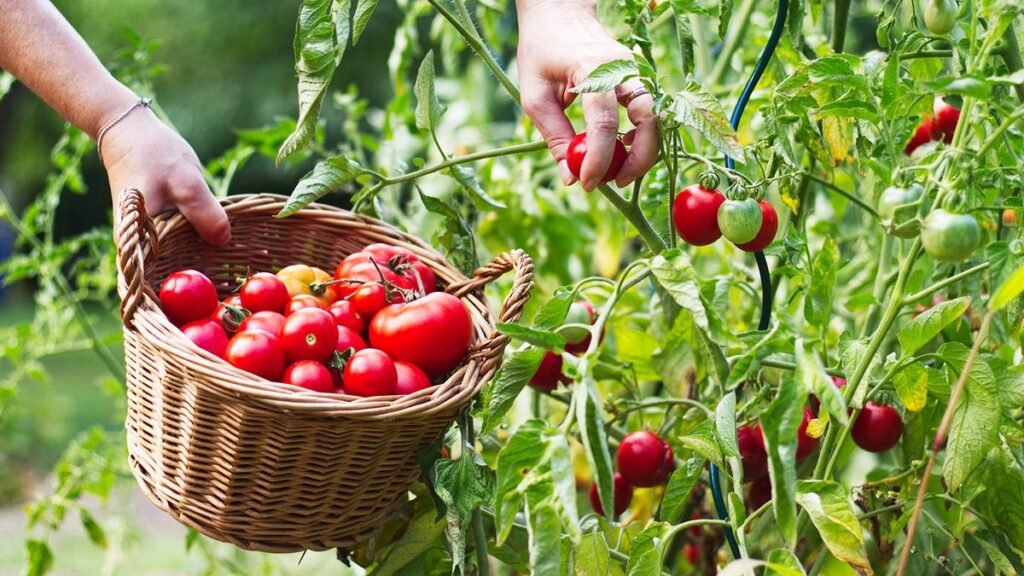
The key to success is understanding your specific location, climate, and the type of tomato you’re planting. Gardeners in colder regions may find June a bit too late, but those in warmer climates often have more flexibility. Even if you’re planting late, there are plenty of ways to grow a thriving crop.
1. Choose Transplants Over Seeds
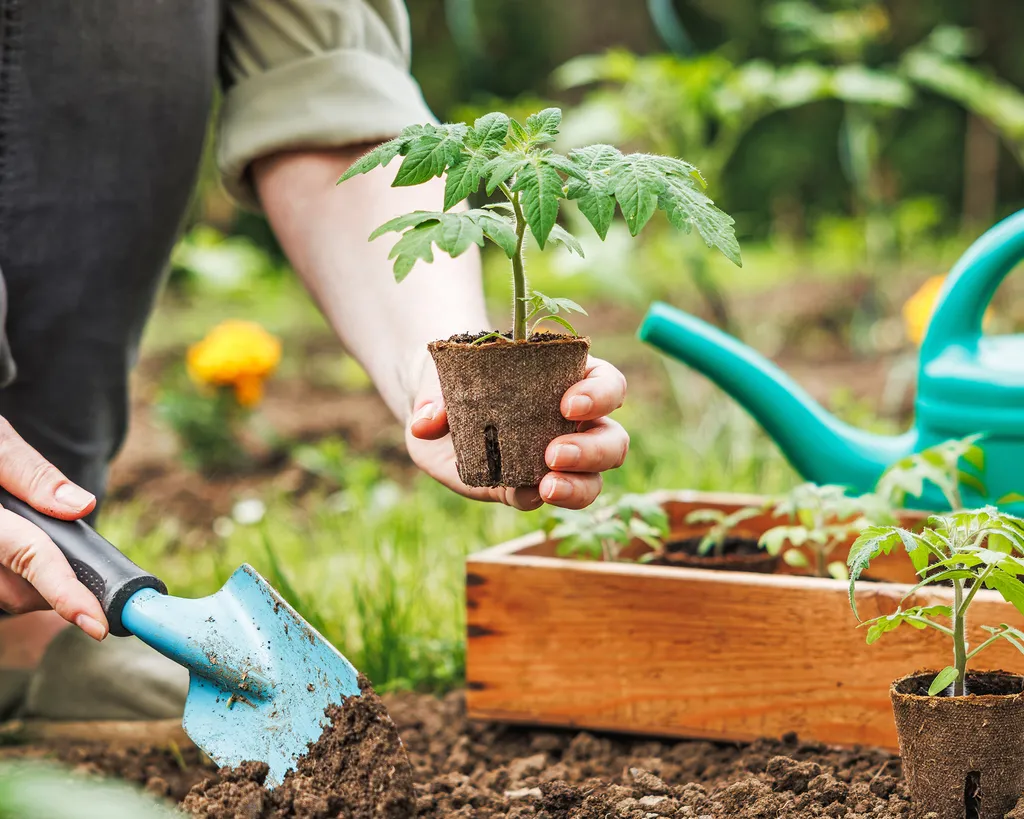
To make up for the late start, the fastest way to grow tomatoes is by using transplants rather than seeds. Starting with seeds in June is usually too late, especially if you’re not in a particularly warm climate. However, many garden centers still offer transplants during this time of year, and you might even find some at discounted prices.
If you’re determined to start from seed, consider growing them indoors first. Starting seeds indoors gives your plants a better chance to avoid pests and unpredictable weather. To speed up germination, you can use seed trays with humidity domes, which are available in the shop.
It typically takes around six to eight weeks for tomato plants to grow large enough for transplanting. Also, ensure that nighttime temperatures consistently stay above 50°F (10°C) for the best growth.
2. Pick Early-Season Varieties for Faster Harvest
The variety of tomato you choose plays a significant role in how quickly you can harvest. Tomato varieties vary in their time to maturity, which is the number of days it takes for a tomato to go from being planted to fully ripe. Generally, tomatoes take anywhere from 60 to 100 days to mature.
If you’re starting with seeds, check the maturity time of the variety you’re interested in and make sure it will have enough time to reach full maturity before the first frost. Starting with transplants gives you a head start, allowing you to plant later in the season compared to starting with seeds.
There are also specific tomato varieties known for their early maturation. These are referred to as “early tomatoes” because they typically have shorter maturity times, making them perfect for a late-season planting. Some great choices for June planting include:
- Cherry Tomatoes – These small tomatoes mature faster than most other types. Varieties like ‘Supersweet 100’ and ‘Sungold’ can be ready to harvest in as little as 55 to 65 days.
- Early Girl – A reliable variety, ‘Early Girl’ produces 4- to 6-ounce tomatoes that mature in just 50 to 60 days, making it one of the fastest-maturing varieties.
- Juliet – This variety, with its oblong shape, is often considered a small Roma or a large grape tomato. It has excellent flavor and matures in about 60 days.
- Northern Lights – A great option for a larger, beefsteak-type tomato, ‘Northern Lights’ matures in just 55 to 60 days and has a unique yellow-orange color and intense flavor.
- Siletz – This variety is great for slicing and has a full, balanced flavor, maturing in 70 to 75 days.
3. Create Optimal Growing Conditions
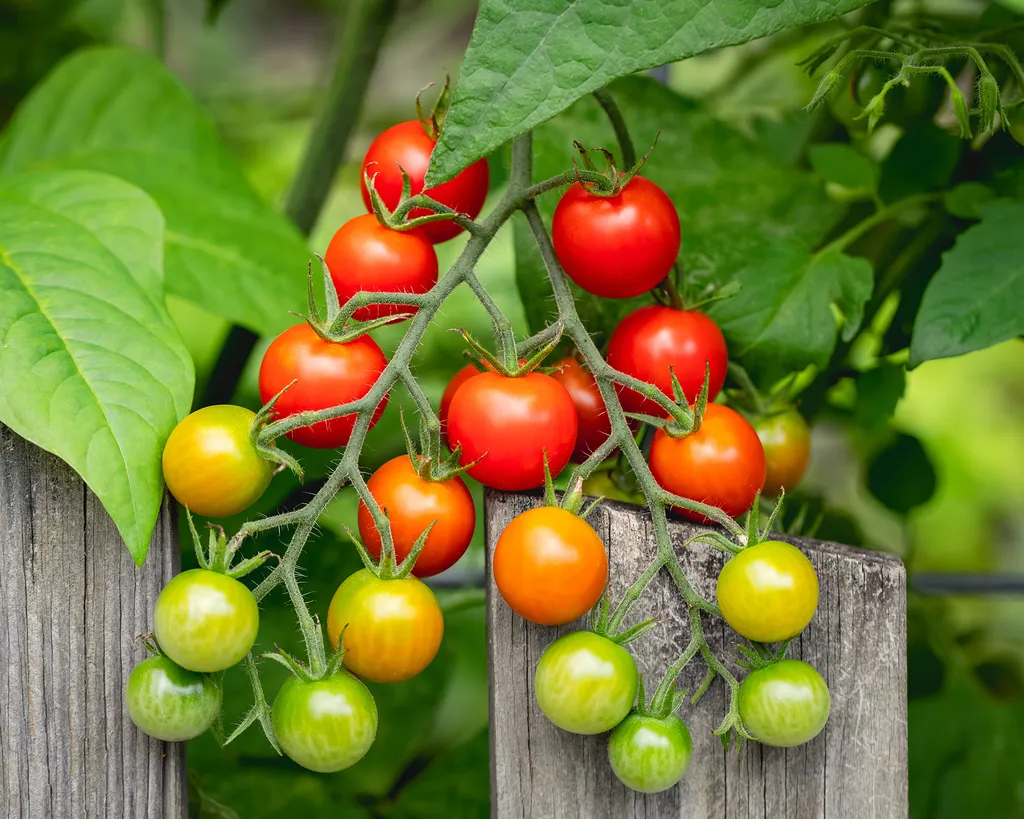
Once you’ve planted your tomatoes, making sure they thrive in the best possible environment will help them reach maturity more quickly. Tomatoes need a lot of sunlight, so make sure to plant them in a location that gets at least 6 to 8 hours of direct sunlight every day. The warmth from full sun will speed up their growth.
Additionally, regular fertilizing is essential. Apply fertilizer at planting time, and continue feeding the plants periodically as they grow. Choose a balanced fertilizer or one specifically formulated for tomatoes to provide the nutrients they need.
Pruning your tomato plants also plays a crucial role in encouraging faster growth and fruit production. Remove any suckers (the side shoots growing beneath the main stems) and lower leaves. This will not only direct energy into fruit development but also improve airflow, reducing the risk of diseases. Keep one sucker just below the flowering stem and remove all the others.
To avoid tomato plants breaking or their fruit touching the ground, use tomato cages or stakes to provide support. This will help your plants stay upright and allow the tomatoes to grow properly.
4. Protect Your Tomatoes from Cold Weather

Tomatoes are very sensitive to cold, and if temperatures drop before your tomatoes ripen, they might not reach full maturity. The key to a successful late-season tomato crop is protecting them from early frost.
As the weather cools, cover your tomato plants overnight. You can buy row covers or even use old sheets and blankets for this purpose. Alternatively, plastic plant covers or buckets work well for individual plants. If you have a larger setup, using a cold frame or greenhouse will allow you to keep growing tomatoes well into the fall.
If you’re growing tomatoes in containers, a rolling planter offers a great solution. It allows you to move the plants indoors if the weather turns chilly. For instance, the Vego Garden EZ Self-Watering Tomato Planter, which has a built-in trellis, is perfect for growing tomatoes in containers while extending the season.
5. Keep an Eye on the Weather and Plan Ahead
Even if you’re late getting your tomatoes in the ground, being proactive about protecting them and adjusting your care based on the weather will make all the difference. Monitoring temperature forecasts will help you stay one step ahead and extend your growing season.
In conclusion, just because it’s June doesn’t mean your dream of growing tomatoes this year is over. By opting for transplants, choosing early-maturing varieties, and creating the ideal growing conditions, you can still enjoy fresh tomatoes from your garden by late summer or fall. Stay vigilant about frost protection and keep the plants well-cared for, and you’ll have a successful harvest.