The Complete Guide to Plant Protection from Freezing Weather
Introduction
Weather patterns are getting more unpredictable, with unanticipated heatwaves in certain areas and torrential rains in others. Yet, unexpected freezes during autumn and early spring continue to be a nagging problem for gardeners. An abrupt temperature drop can destroy plants, particularly if they have been tempted out of hibernation by a short warm spell.
For gardeners, learning how to keep plants from freezing is key to keeping a thriving garden healthy during winter. This comprehensive guide has it all—from frost vs. freeze basics to do-it-yourself protection techniques and care after a freeze.
Why Protecting Plants from Freezing is Important
Freezing temperatures have the potential to inflict irreversible harm on plants. Water in plant cells freezing results in the formation of ice crystals that burst cell walls, causing wilting, blackening, and death of damaged tissue. Certain plants may revive from slight frost damage, but a hard freeze tends to be lethal.
Major Threats from Freezing Temperatures:
Shattering dormancy prematurely – A heat wave followed by a freeze fools plants into flowering too early, leaving them open to attack.
Damage to roots – Frozen ground inhibits water absorption, causing drying out.
Cell death – Knocking out of ice within plant cells kills their structure.
Planting cold-hardy plants appropriate to your USDA hardiness zone is the initial defense. Still, even tough plants might require additional protection in severe cold waves.
Frost vs. Freeze: What’s the Difference?
Too many gardeners misuse “frost” and “freeze,” but they’re not synonymous.
1. Frost
Happens when surface temperatures fall below freezing (32°F / 0°C), even if air temperatures are only a little lower.
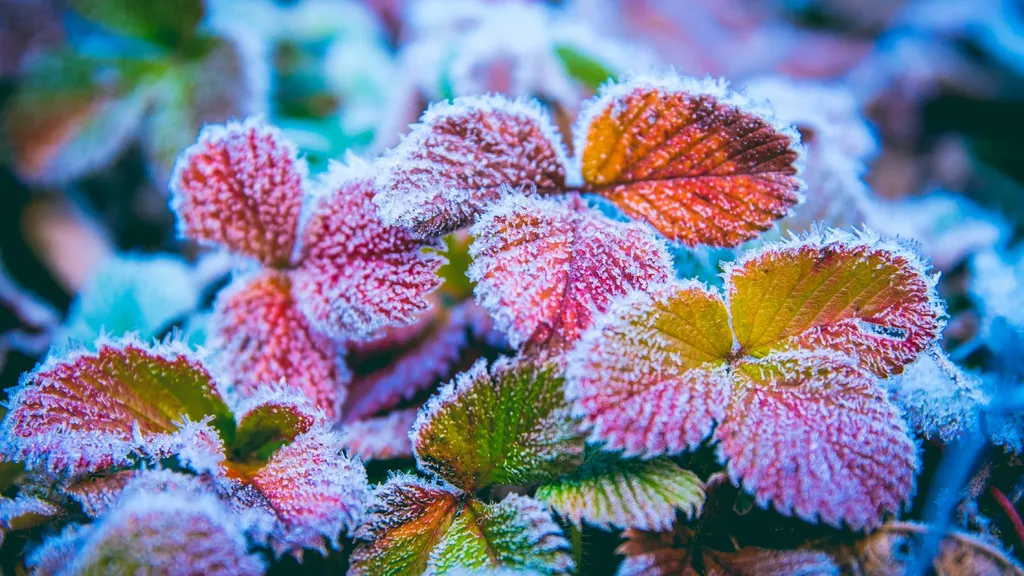
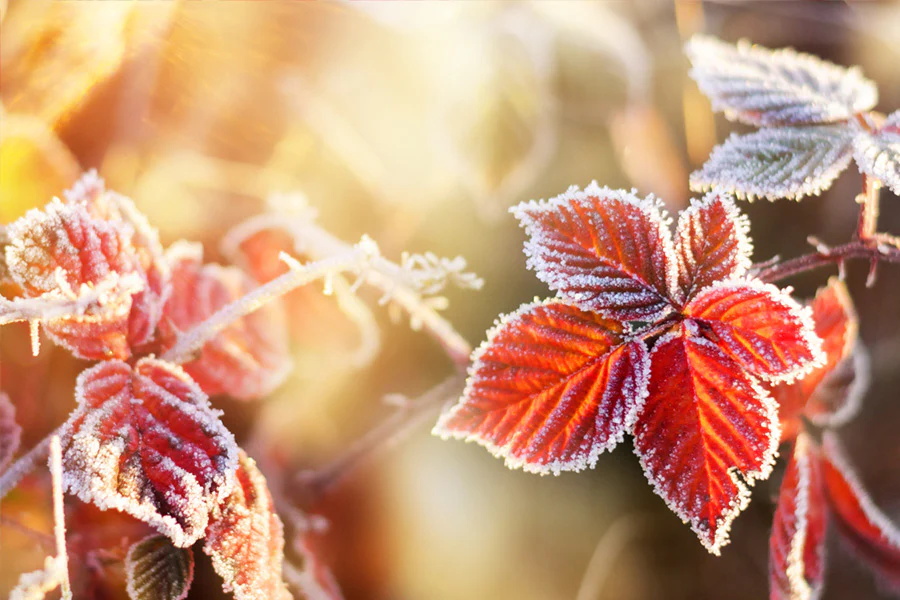
Creates fine ice crystals on leaves and stems.
Damage: Primarily damages tender new growth and early flower buds.
2. Freeze
Occurs when air temperatures dip below freezing, freezing internal plant moisture.
Types of Freezes:
Radiation Freeze – Results on still, clear nights when heat dissipates to the atmosphere, and cold air becomes stagnant close to the ground.
Advection Freeze – Result of cold wind blowing in freezing air into a region (more hazardous because wind increases heat loss).
Damage: Destroys plants tissues, causing blackened, mushy leaves and stems.
When to Protect Plants from Freezing
Timing is essential—waiting too long leaves plants vulnerable. Here’s when to act:
1. Prior to the Growing Season
Choose cold-hardy plants according to your USDA zone.
Plant in protected areas (by walls, fences, or under trees).
Utilize raised beds (they drain more quickly and heat up more rapidly than ground soil).
2. During Cold Spreees
Watch weather reports – Be cautious when temperatures near freezing.
Watch for frost advisories – Even if the air temperature is above 32°F, there can still be frost.
Act before dusk – Mulch plants when the soil still contains a little heat.
Protecting Plants from Freezing
Some tried-and-tested techniques can insulate plants from freezing damage.
1. Preparing the Ground with Water
Why it works: Watered soil carries more heat than parched soil.
How to do it: Water the soil a day before the freeze (don’t overwater).
Caution: Don’t waterlogged the ground—too much moisture can rot roots.
2. Mulching for Insulation
Best material: Straw, wood shavings, or shredded leaves.
Application: Apply 3-4 inches around the base of plants (don’t pile against stems).
Advantages: Warmth of the soil is trapped and prevents sudden loss of heat.
3. Covering Plants
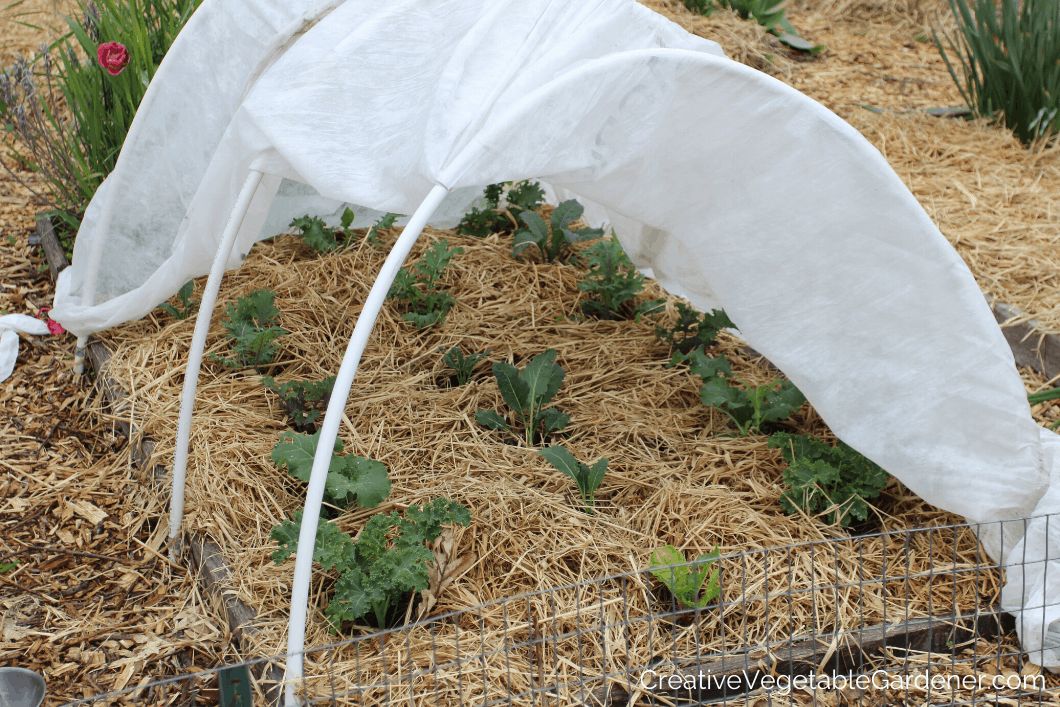
Best covers: Frost cloths, burlap, old sheets, or plant tarps.
Don’t use plastic – It retains moisture and can freeze leaves on contact.
Correct method:
Drape loosely over plants.
Hold edges with rocks or stakes.
Ensure covers are on the ground to prevent heat loss.
4. Constructing Windbreaks
Natural windbreaks: Fences, shrubs, or walls.
Temporary barriers: Wooden panels or burlap screens.
5. Including Heat Sources
String lights (non-LED, incandescent bulbs give off moderate heat).
Water jugs (black water containers filled with water soak up daytime heat and radiate it at night).
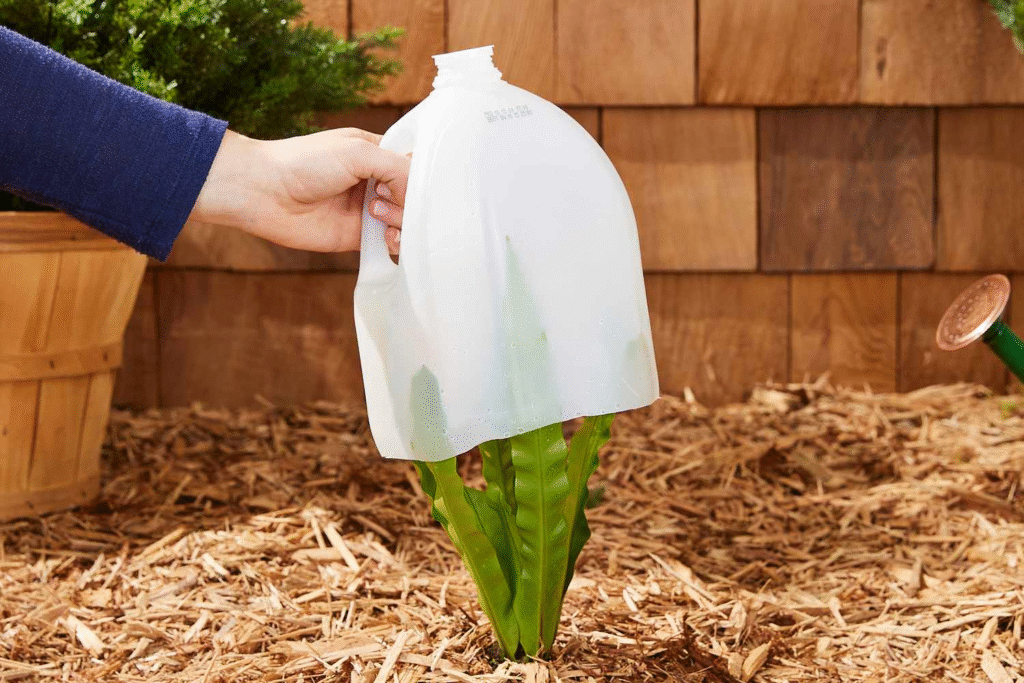
Cloches (plastic bottle or glass jar mini greenhouses).
Taking Care of Plants after a Freeze
If your plants froze, follow these instructions:
1. Evaluate Damage
Let it sit for a few days – Some plants recover without assistance.
Inspect stems and buds – If they are black and soft, cut off the dead areas.
2. Water Sparingly
Frozen ground keeps water from getting through—water lightly to allow roots to thaw.
Don’t fertilize until new growth shows (compromised roots can’t take up nutrients).
3. Prune with Caution
Cut off dead or damaged branches to avoid disease.
Don’t prune too early—some plants will resprout from appearing dead stems.
Frequently Asked Questions
1. At what temperature do I need to cover my plants?
Action needed at 35°F (2°C) – Frost may develop even if the air is not freezing.
2. Can I use trash bags to cover plants?
No! Plastic retains moisture and will freeze leaves. Instead, use a breathable cloth.
3. Do I water plants before a freeze?
Yes, but with caution – Wet soil holds warmth longer, but do not waterlog.
4. Will a freeze kill mature trees?
Occasionally, but young trees and citrus are susceptible. Wrap trunks with burlap to protect.
Freezing temperatures can be a catastrophic threat to gardens, but with proper caution, you can avoid or limit damage. If you learn about frost vs. freeze, select strong plants, and take protective actions such as mulching, covering, and windbreaks, you can sustain your garden through winter’s worst.