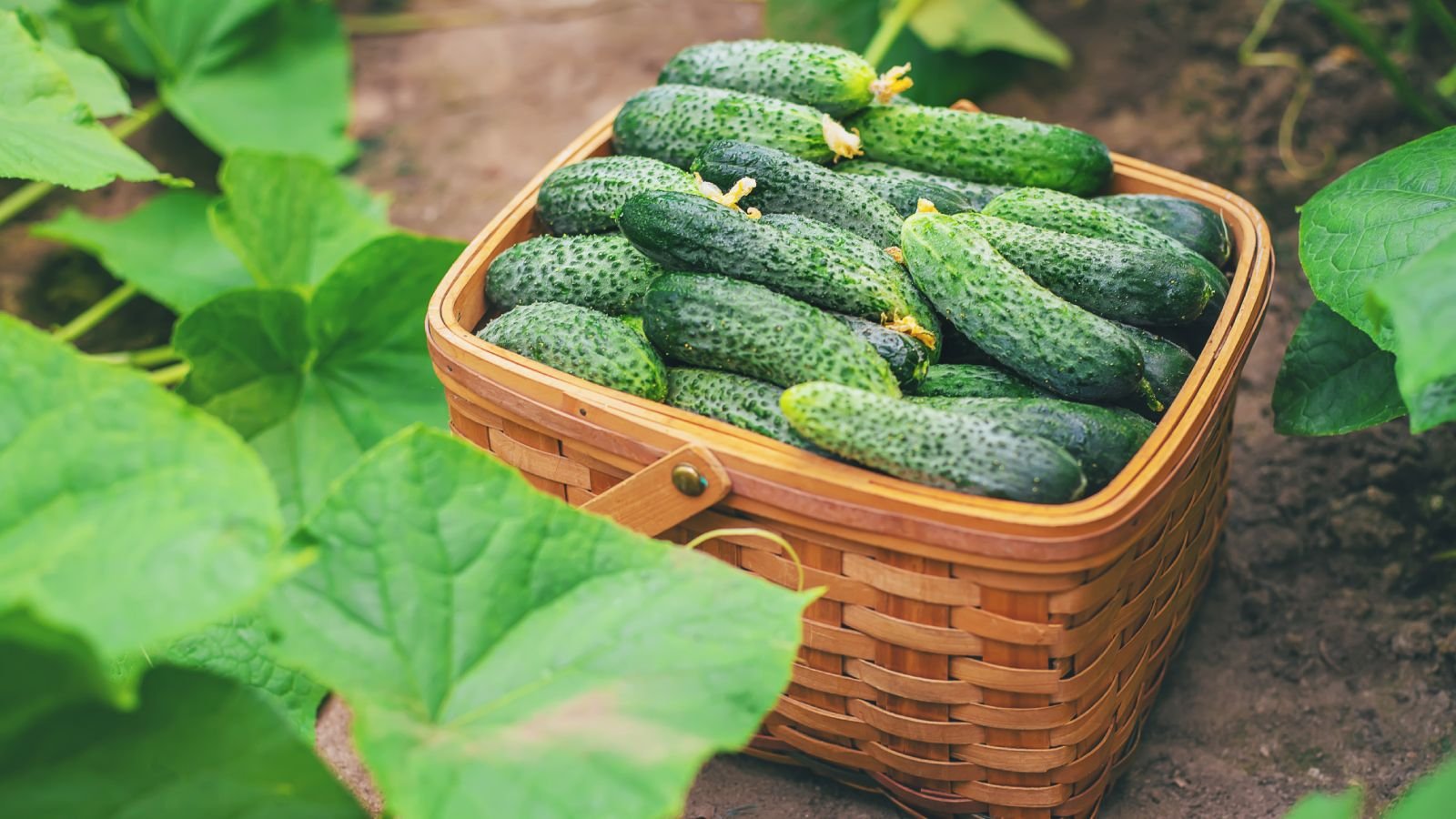
There’s nothing quite like a cool, refreshing cucumber on a hot summer day. Whether you’re tossing it in a salad, pickling it, or just enjoying it as a snack, cucumbers are both nutritious and easy to grow.
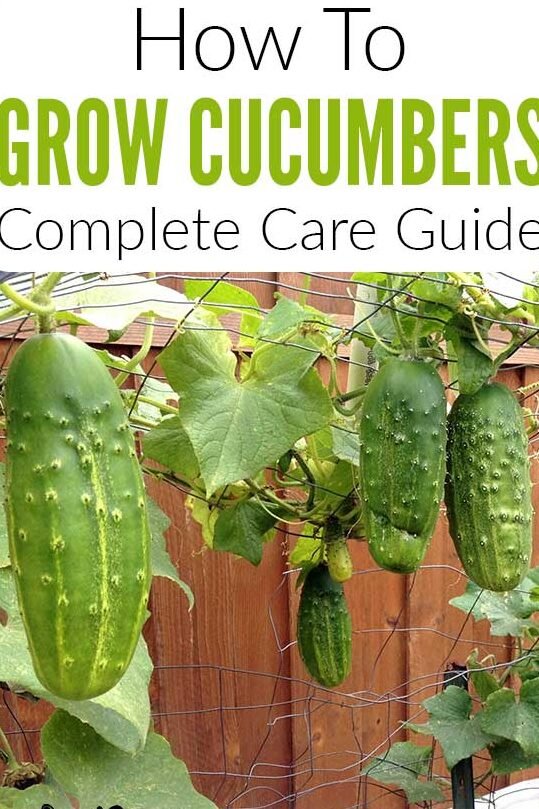
Growing cucumbers is simple as long as you have enough space and sunlight. Some varieties are perfect for pickling, while others have fewer seeds and more flesh. Plus, there are even types that do great in containers.
Here’s everything you need to know about growing cucumbers so you can enjoy fresh, garden-picked fruit.
Cucumber Plant Care
Cucumbers are either vining or bushy plants. Both slicing and pickling varieties have similar care needs. Vining cucumbers, in particular, grow best when trained to a trellis.
Light
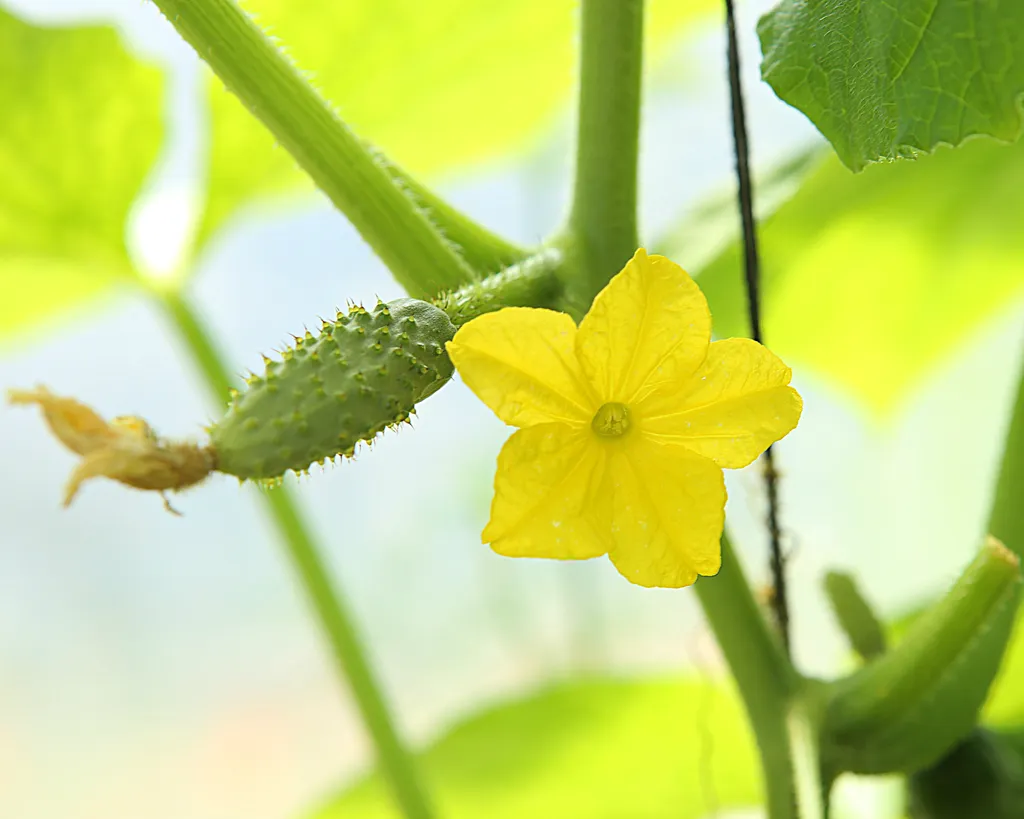
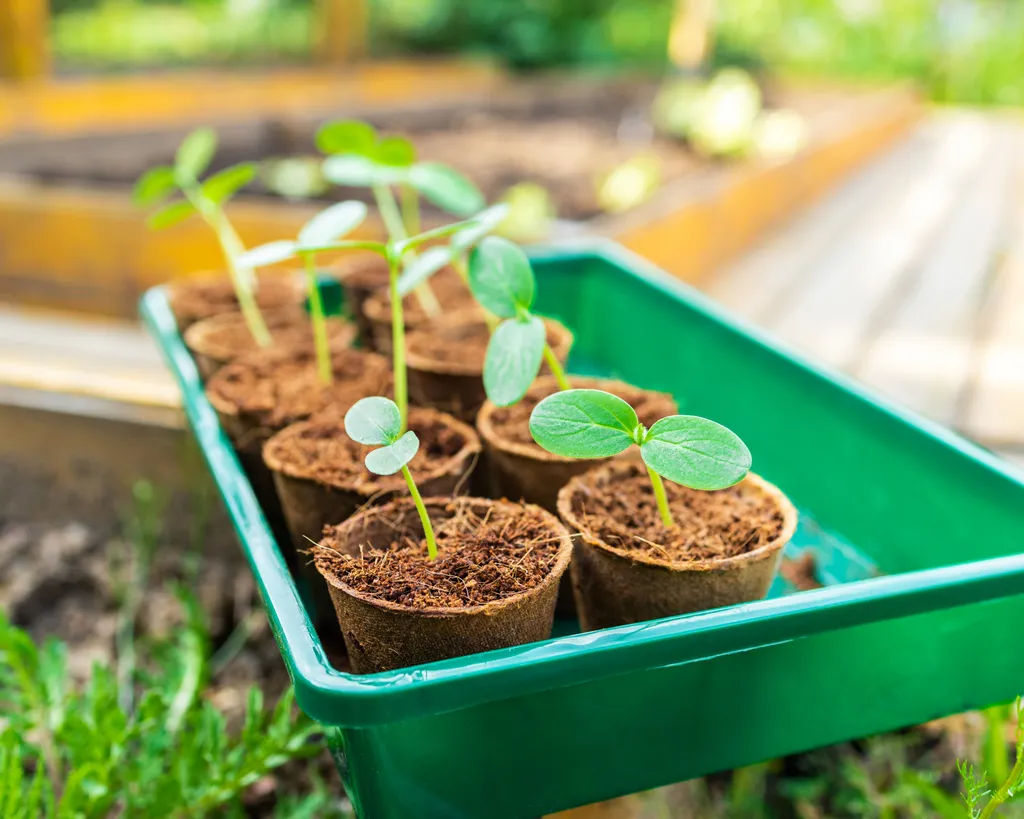
Cucumbers are a sub-tropical crop, so they’re sensitive to frost. Plant them in a sunny spot with around 8 hours of sunlight to help them produce their yellow, star-shaped flowers, which eventually turn into fruit. Directly sowing seeds is ideal, but if you’re in a region with a short growing season, start the seeds indoors and give them plenty of light until it’s time to transplant them outdoors.
Water
Cucumbers are made mostly of water, so they need plenty of moisture. Water deeply rather than frequently with small amounts. On average, cucumber plants require about 1 inch (2.5 cm) of water each week. In sandy soil, where water drains quickly, you’ll need to water more often than in loamy soil.
Temperature & Humidity
For optimal germination, the soil temperature should be around 60°F (15.6°C). During the growing season, cucumbers thrive in temperatures between 70-90°F (21-32°C). Warm weather helps fruit form, but extremely hot conditions might require extra watering and can slow down flowering. Cucumbers grow best with humidity levels between 60-70%.
Soil
Cucumbers need well-draining soil rich in organic matter. If your soil is poor, mix in plenty of compost up to 6 inches (15.2 cm) deep. The soil should have a pH between 6.0 and 6.5. You can plant cucumbers directly in your garden or use a container.
Fertilizer
Once the plants start forming buds, apply a nitrogen-rich fertilizer, like 33-0-0, just outside the root zone. Reapply every three weeks. Alternatively, you can use diluted fish emulsion according to the instructions.
Problems, Pests, and Diseases
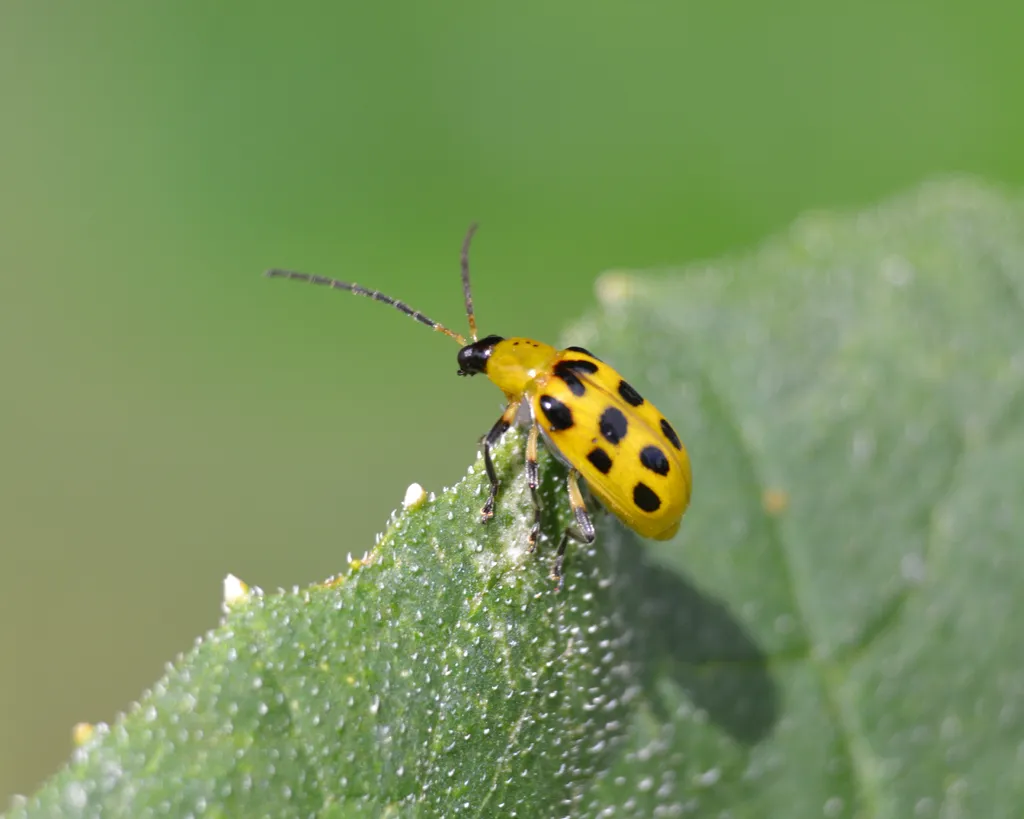
A common issue with cucumbers is planting them too early. If the soil’s too cold, germination will be spotty. Cucumber beetles can also be a big problem—they munch on the leaves, stems, and fruit, and can carry bacterial wilt. If a plant wilts and withers, it’s beyond saving and should be removed.
Powdery mildew and other leaf spots are also common. To prevent these, avoid overhead watering and space the plants far enough apart to ensure proper air circulation.
How to Plant Cucumbers
Once your garden bed is ready, you can plant cucumbers either in rows or mounds. For rows, space the seeds 6 inches (15.2 cm) apart, with rows 2 feet (.61 m) apart. For mounds, create flat mounds that are 5-6 inches (12.7-15.2 cm) high and about 1 foot (.3 m) wide. Place 4 seeds evenly in each mound. After germination, thin the plants to just two per mound.
Trellising Cucumbers
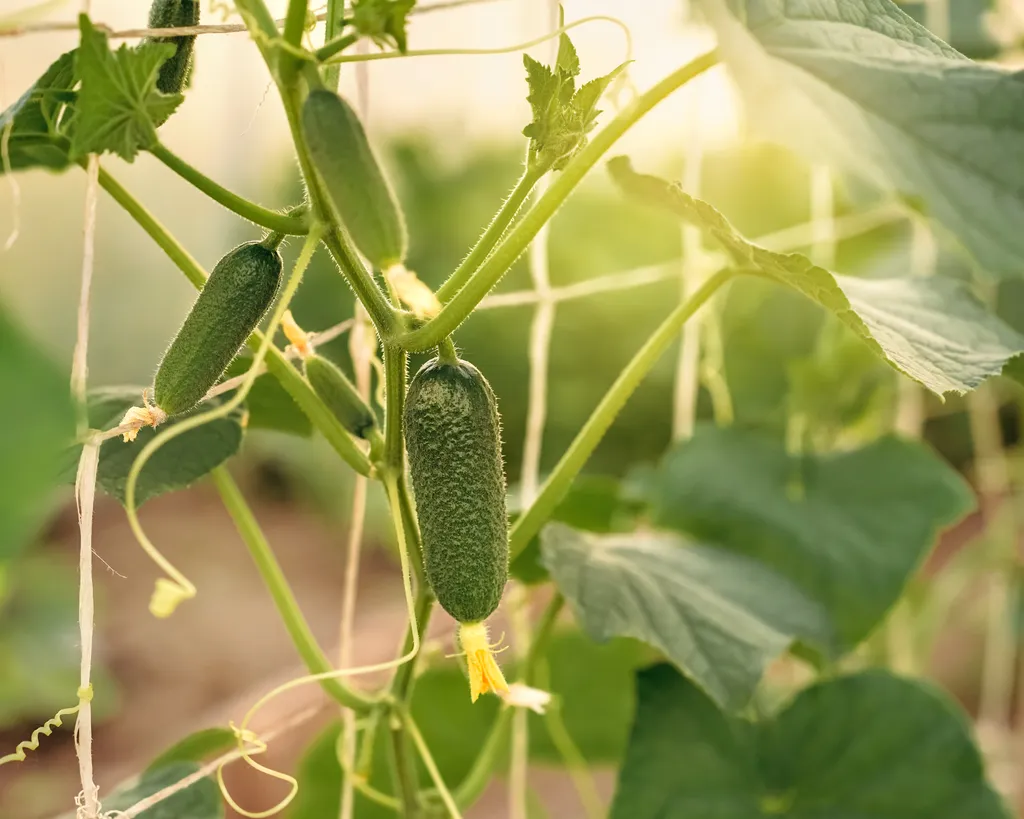
If you’re growing a vining variety, use stakes, cages, or a trellis to keep the fruit off the ground. This helps produce straighter cucumbers and prevents fungal issues that come from the fruit touching moist soil. You can easily make a sturdy trellis using the C-Bite plant support kit or a simple cattle panel trellis. Trellising also helps light reach the plants, promoting flowering and fruiting. As the cucumber vines grow, tie them to the structure carefully, making sure not to damage the stems.
How and When to Pick Cucumbers
Most cucumbers are ready for harvest 50-70 days after planting. Each variety is harvested at different stages, but in general, cucumbers are best picked when they’re firm, vibrant in color, and haven’t started to yellow. If cucumbers turn yellow, they can become bitter and have a poor texture.
Use a sharp knife or pruners to cut the fruit off about ¼ inch (0.6 cm) below the stem. Pick cucumbers regularly to encourage the plant to produce more. Store them in the vegetable crisper, and be sure to use them while they’re still firm.
Propagation
Cucumbers are typically propagated from seed. Direct seeding is preferred, but you can transplant seedlings after hardening them off if necessary.
Varieties
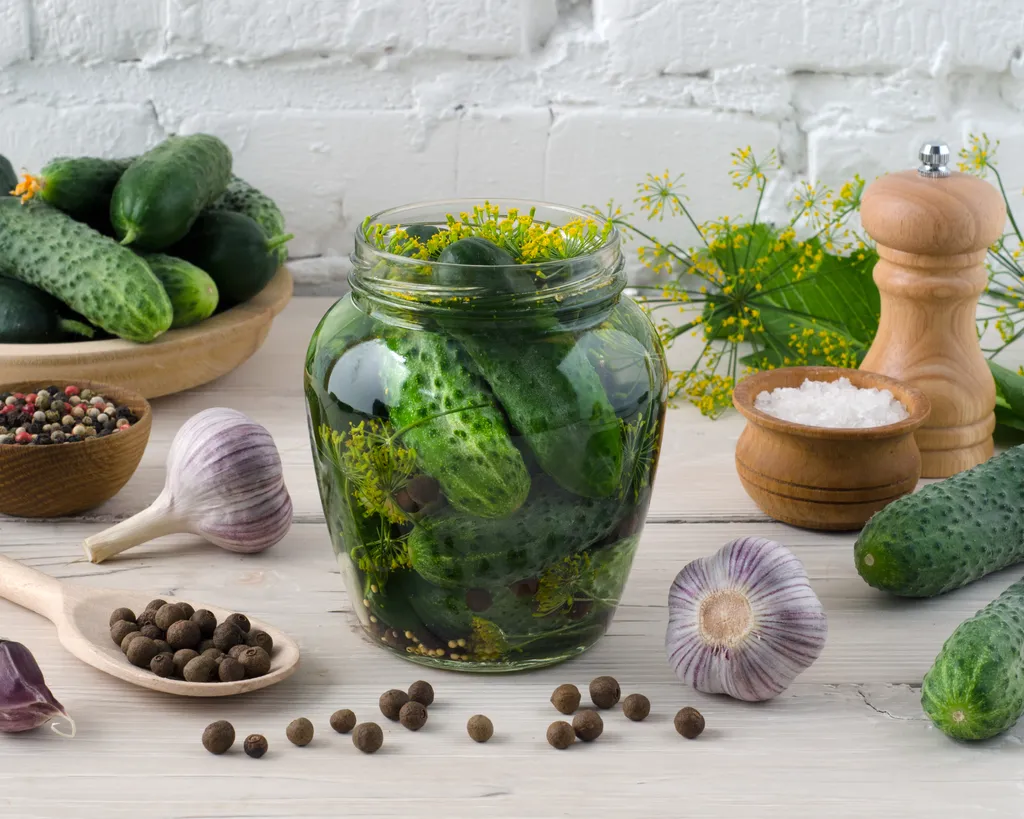
Cucumbers come in many varieties, including those meant for pickling and slicing. Some even have fewer seeds and are less likely to cause digestive issues (these are called burpless types). You’ll also find lemon, Armenian, and Japanese varieties. Lemon cucumbers are small and round with a yellowish color, Armenian cucumbers are long and thin, and Japanese cucumbers can grow up to 24 inches (61 cm).
Here are some popular varieties:
- Slicing Bush Form: ‘Bush Crop’, ‘Fanfare’
- Slicing Vine Form: ‘Straight Eight’, ‘Diva’, ‘Marketmore’
- Pickling: ‘Boston’, ‘Calypso’, ‘National Pickling’
Frequently Asked Questions
Do cucumbers need a trellis?
Yes, especially for vining types. Check your seed packet to see whether you have a vining or bush cucumber. Vining cucumbers perform best on a trellis.
How long does it take for a cucumber to grow?
Cucumbers typically take 50-70 days to produce fruit. Some fast-growing varieties include ‘Pick a Bushel’, ‘Saladmore’, and ‘Parisian Gherkin’.