
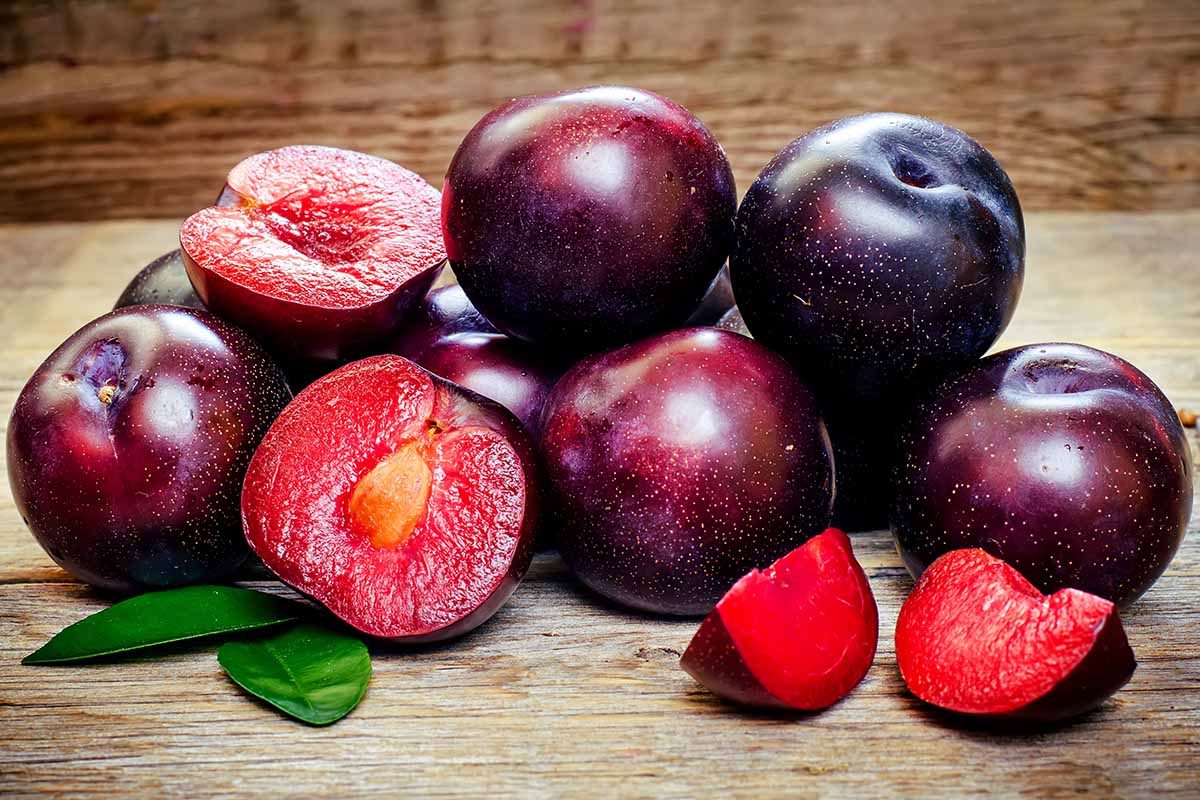
Can You Grow a Plum Tree from a Pit? Here’s Exactly How To Do It (Yes, It Works!)
Have you ever bitten into a perfectly juicy, sweet plum and found yourself wondering, “Could I grow a tree from this pit?” If so, the short answer is: Yes—you can! Kind of.
Planting a plum pit can be a fun and rewarding little garden project, especially for kids or curious beginners. And while it might not grow into a fruiting tree that mirrors the plum you just ate, you’ll still get the thrill of watching something grow from seed.
Here’s everything you need to know to grow a plum tree from a pit—from prepping the seed to planting, and what to expect along the way.
Can You Really Grow Plums from Seeds?
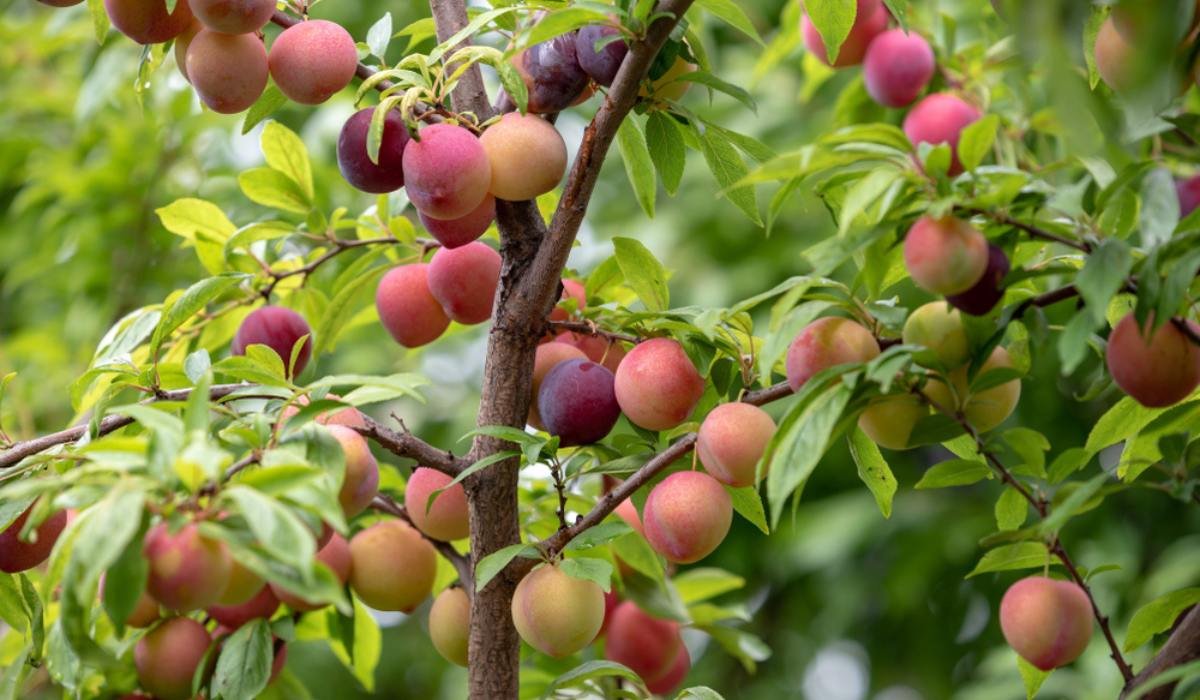
You can definitely grow something from a plum pit, but it may not turn out exactly like the tree the original fruit came from—unless it’s from a wild variety like a beach plum or sand plum. That’s because most of the plums you buy from the store are grown on grafted trees, not from seed.
Here’s a quick breakdown:
- Most plum trees are hybrids: They’re created by grafting a tasty fruiting variety (called the scion) onto a strong root system (called the rootstock). These two parts combine to produce the best of both worlds—flavorful fruit and a hardy, fast-growing tree.
- Seeds from hybrid plums won’t grow true to type: Meaning, what you grow may not taste anything like the original fruit. It might not even produce fruit at all.
- Your best bet for consistency? Use pits from wild plums like beach plums, which are easier to grow from seed and more likely to produce fruit similar to the parent.
If you’re looking for a reliable wild plum to start with, beach plum trees are a great option and even available in the Gardening Know How Shop.
How to Grow a Plum Tree from a Pit (Step-by-Step)

Step 1: Prepare the Plum Pit
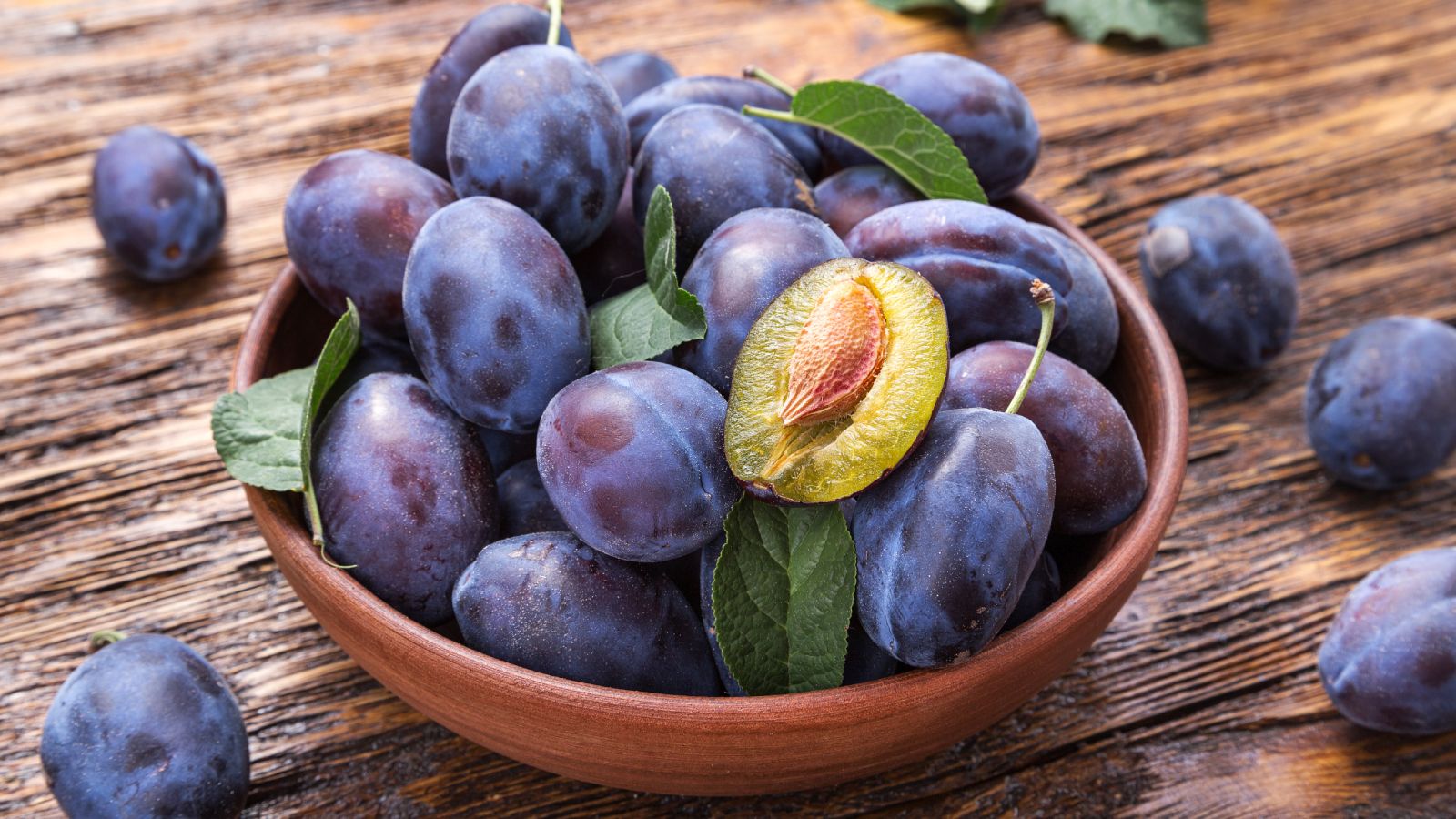
Start by picking a ripe, juicy plum—one you love the taste of. If you’re going to the trouble of growing a tree, you might as well start with something delicious, right?
Here’s how to prep the pit:
- Eat the plum (our favorite part).
- Clean the pit by removing all the flesh.
- Let it dry out on a sunny windowsill for a few days.
- Once it’s dry, crack the pit open using a nutcracker or gently with a hammer to get to the almond-shaped seed inside.
💡 Pro tip: Crack open a few pits to increase your chances of success—some seeds just won’t be viable.
To check which seeds are worth planting, drop them in a bowl of water:
- Sink? Good to go.
- Float? Toss it.
Step 2: Stratify the Seeds (Cold Germination)

In nature, plum seeds go through winter before sprouting in spring. To mimic that process, you’ll need to stratify them in the fridge.
Here’s how:
- Place the viable seeds in a damp paper towel.
- Seal them inside a clear plastic bag.
- Squeeze out the air and place the bag flat in the refrigerator at about 40°F (4°C).
- Wait 2–12 weeks. Keep an eye out for small white roots starting to emerge—they’ll turn green as they grow.
✨ Don’t forget:
- Mist the towel if it starts to dry out.
- If you see mold, gently move the seeds to a new damp paper towel and reseal them in a clean bag.
Step 3: Planting Germinated Plum Seeds
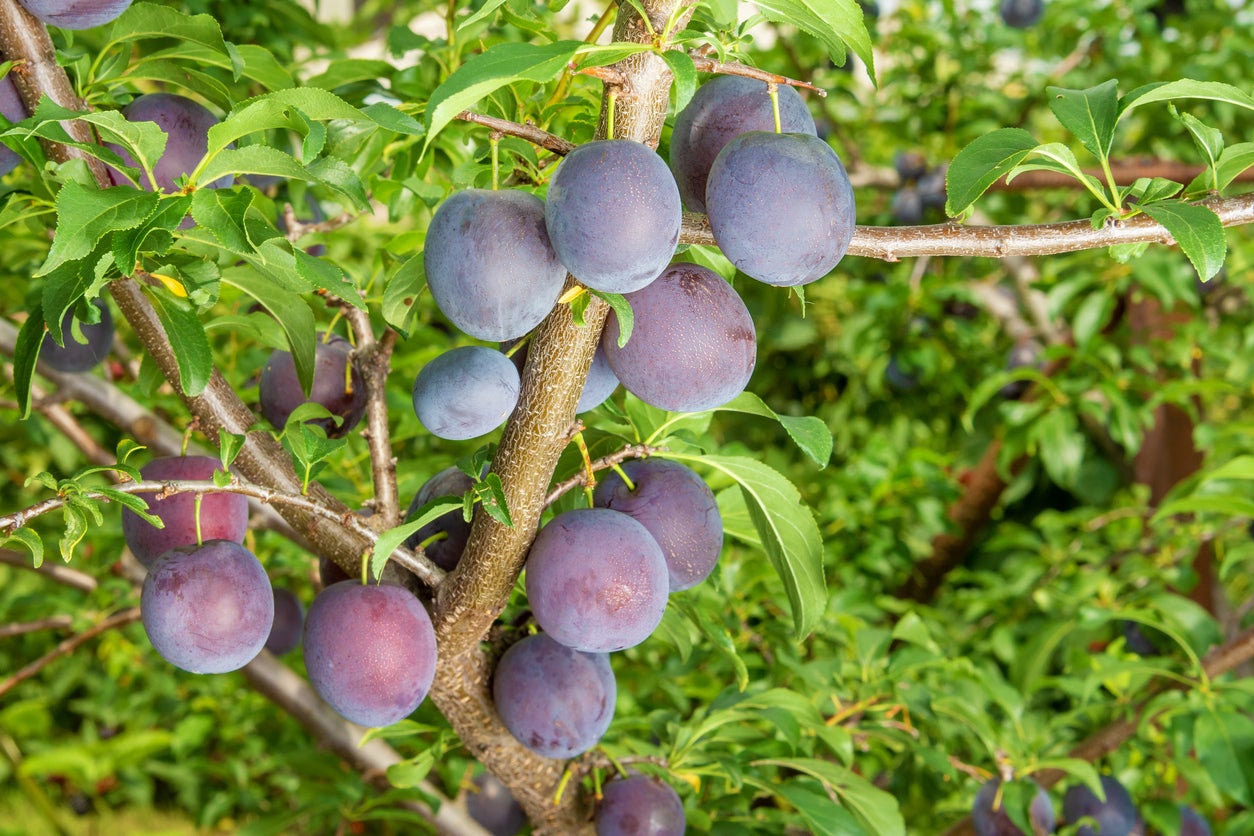
Once the seeds sprout, it’s time to get them into soil.
Here’s what to do:
- Use a small pot (4–6 inches wide) with good drainage holes.
- Fill it with well-draining potting soil.
- Plant the seed about 2 inches deep, cover lightly with soil, and water well.
- Set the container somewhere warm and sunny—aim for at least 6 hours of sunlight a day.
- Water regularly, whenever the top 2 inches of soil feel dry.
As the seedling grows, transplant it into larger containers every 6–12 months.
Once the tree is about a year old and strong enough to handle the elements, you can plant it outside in the spring. Be patient—most plum trees take 3–6 years to produce fruit.
FAQs: Growing Plum Trees from Pits
Do I need to crack open the plum pit before planting?
Not technically, but it helps. You can plant the whole pit, but your chances of germination improve if you crack it and remove the inner seed. In nature, the pit cracks over time as it decomposes. If you skip cracking, soak the whole pit in water for a day or two first.
Will my tree produce fruit like the plum I ate?
Probably not. Unless you’re using seeds from a wild plum tree, what grows from your pit is unlikely to produce identical fruit—if it fruits at all. That’s because most plums sold in stores come from grafted trees, not seeds.
How long will it take to grow a fruiting plum tree from seed?
Expect to wait 3 to 6 years, sometimes longer. Even then, there’s no guarantee it’ll bear fruit, and if it does, the taste and quality may vary widely.
What kind of soil do plum trees like?
Plum trees prefer well-draining, slightly acidic soil. When potting seedlings, use high-quality potting mix with good aeration. Outdoors, make sure the tree is planted in a sunny spot with room to grow.
Conclusion: Is It Worth Growing a Plum Tree from a Pit?
If you’re hoping to clone the perfect plum from your grocery store haul, growing from a pit probably isn’t the way to go. But if you’re in it for the experience, the fun of watching a tree grow from seed, and maybe a little garden magic along the way—it’s absolutely worth it.
Starting plum trees from seed is an engaging, educational project—perfect for families, gardening newbies, or anyone with a curious green thumb. Just don’t forget to be patient. Trees take time, but the joy of watching one grow from a humble plum pit? That’s something special.
🌱 Want a head start with a wild plum variety that grows true from seed? Check out beach plum trees in the Gardening Know How Shop—they’re easy to grow and native to New England.
Let me know if you’d like this turned into a downloadable gardening guide or infographic!