For many gardeners, starting perennial plants from seed is a thrilling project—and growing peonies from seed is no different. Not only is it a fun way to add more plants to your garden for free, but it can also lead to unique, never-before-seen hybrids.
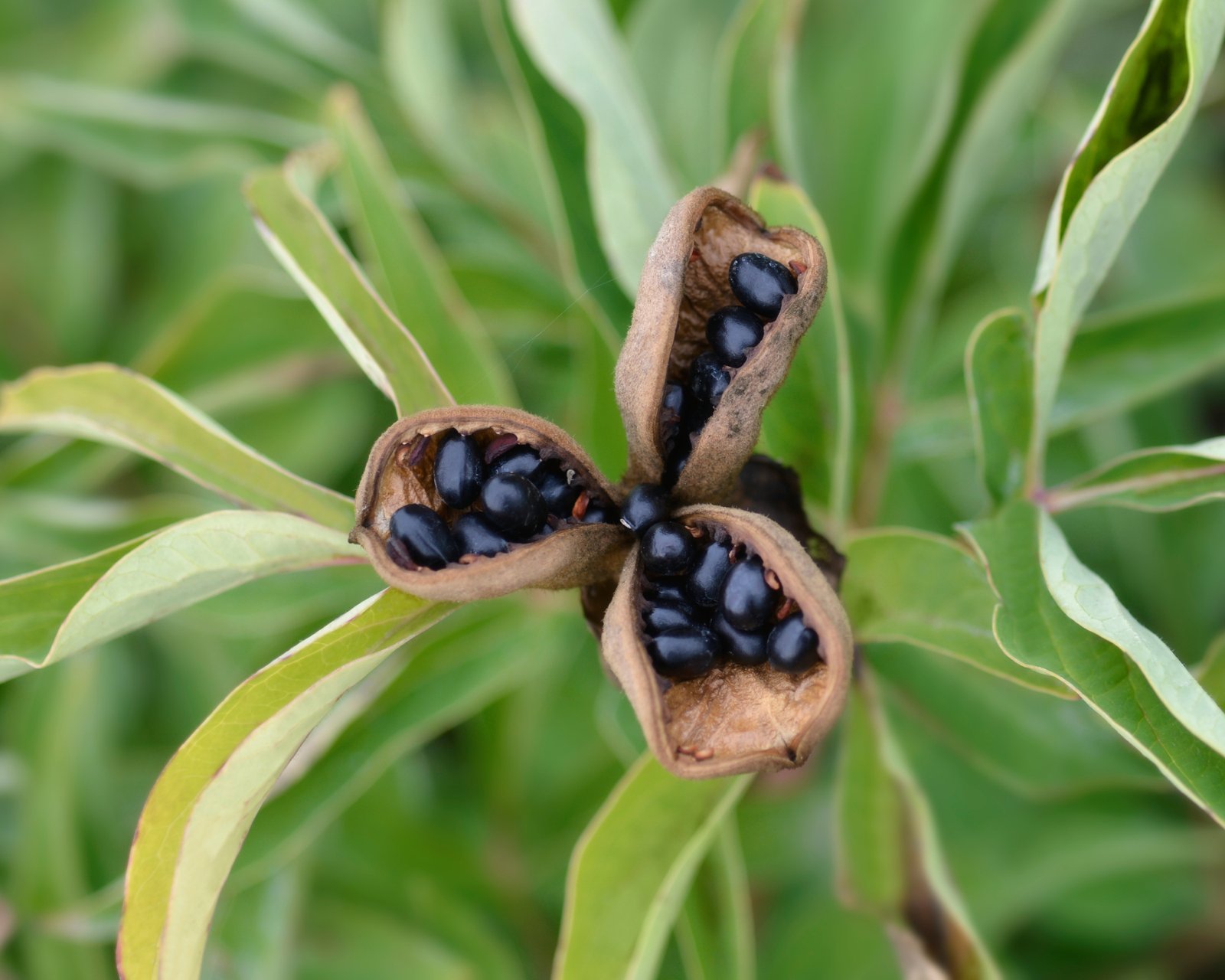
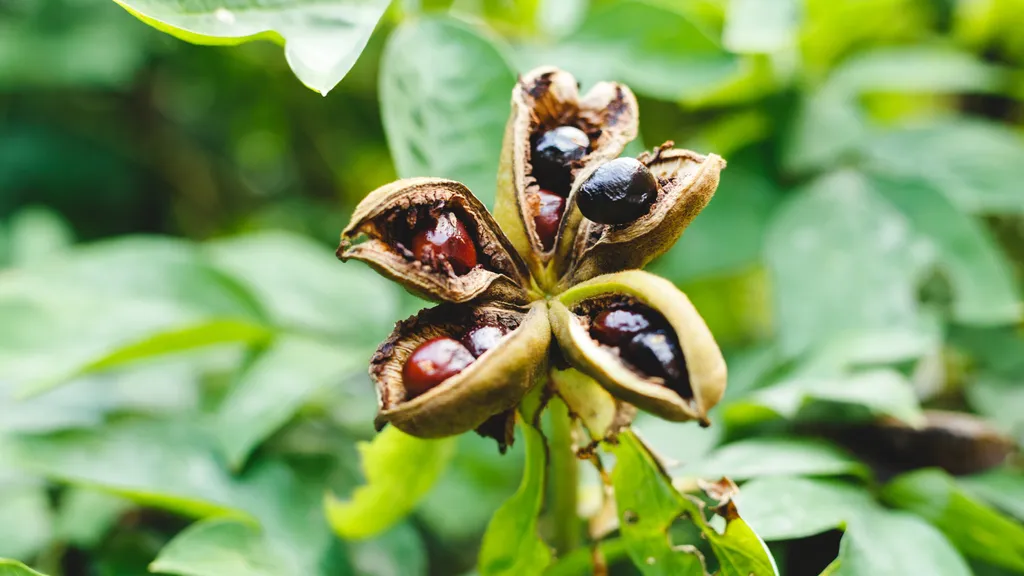
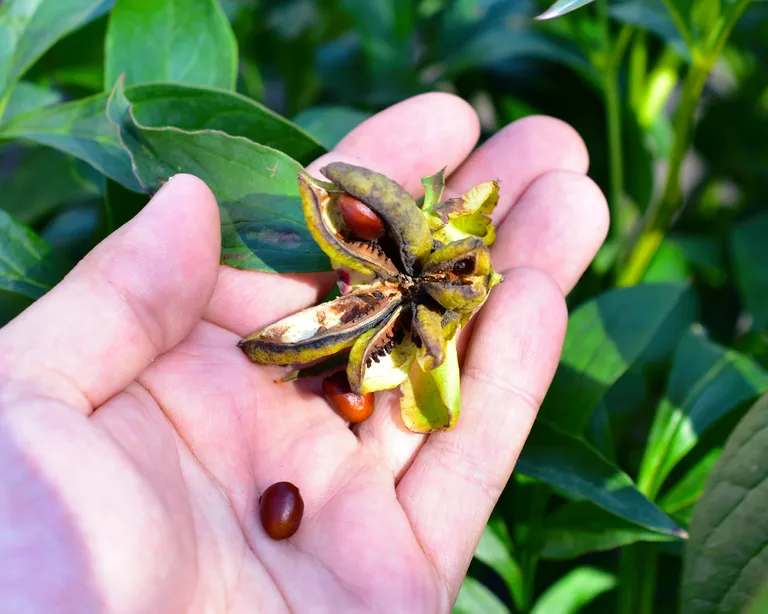
Peonies are loved for their stunning (but short-lived) spring blooms. Once the flowers fade, they produce clusters of wedge-shaped seed pods. As these pods ripen, they turn dark brown and leathery, eventually splitting open to reveal shiny, dark purple to black seeds. These pods not only add visual interest to the garden but also give you the chance to collect seeds for propagation.
While propagating peonies from seed is fairly simple, you’ll need to know the right way and time to harvest the seeds, how to prepare them for planting, and the best methods to grow strong, long-lasting peony plants.
Pros & Cons of Growing Peonies From Seed
When grown from seed, peonies won’t be exact copies of the parent plant. The only way to get true clones is through asexual methods like cuttings or division. However, planting seeds can lead to exciting new flower variations.
Starting peonies from seed is also great for budget-conscious gardeners since it lets you fill your garden with new plants at no cost. But there’s one big downside—it takes time. Harvesting and germinating peony seeds takes months, and then you’ll need years of patience before the new plants bloom. Common garden peonies can take five to six years to flower when grown from seed. Tree peonies and Itoh peonies mature faster, but it’s still a multi-year process.
When to Harvest Peony Seeds
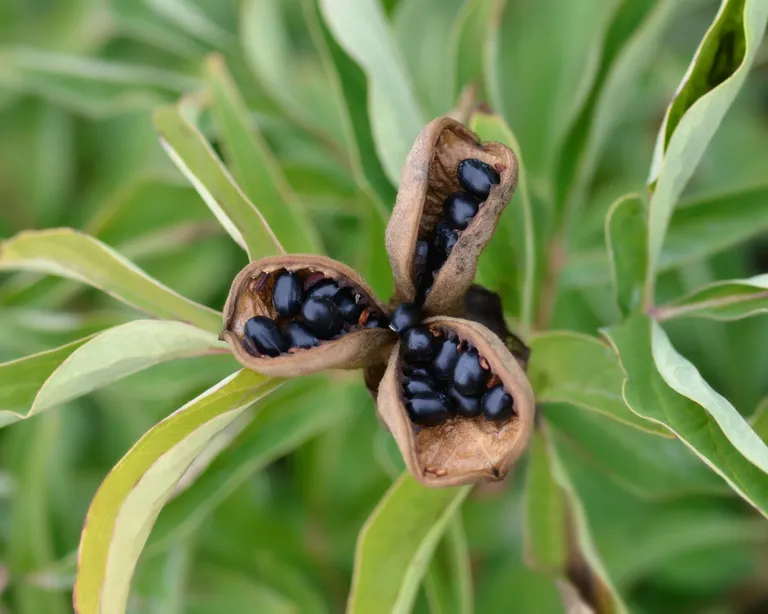
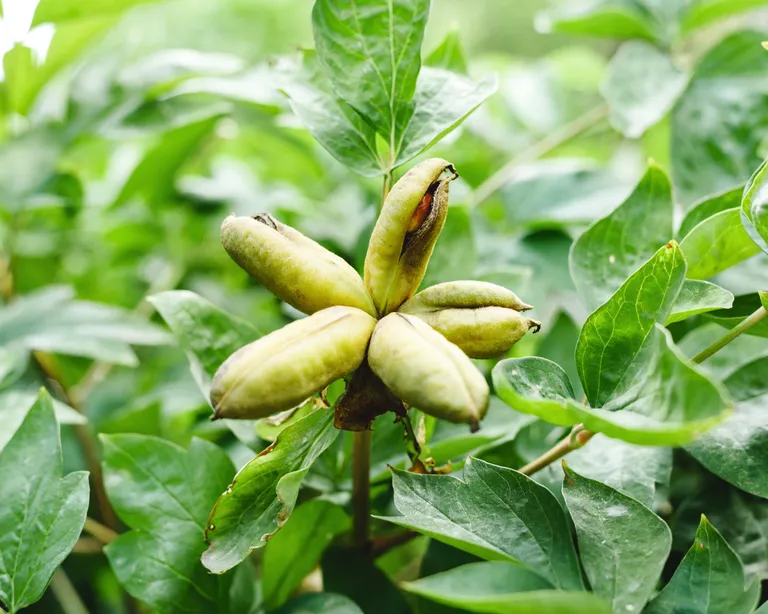
The first step in seed propagation is knowing when to harvest. Peony seeds form when pollen from one flower reaches another in spring. As the pollinated flowers fade in summer, you’ll notice pods at the center swelling with seeds.
These pods (or carpels) keep maturing until harvest time. The best time to collect peony seeds is late summer to fall, once the pods turn dark brown, leathery, and start to crack open.
To avoid losing seeds to birds, squirrels, or bad weather, tie a small mesh or paper bag around each pod before it splits. This catches the seeds before they drop or get eaten.
How to Harvest Peony Seeds
When the pods look dry and papery, it’s time to harvest. Healthy seeds will be large, firm, and dark-colored.
If you used bags, just collect the seeds from inside. If not, snip off the pods and gently crack them open to get the seeds.
Some gardeners wonder if they can harvest seeds from cut peonies in arrangements—unfortunately, no. Peony seeds only mature on plants left growing in the garden.
How to Grow Peonies From Seed
After harvesting, test seed viability by placing them in water. Good seeds will sink; floating ones won’t grow, so discard them. Store seeds in a cool, dry spot or plant them right away.
Late summer or fall is the best time to sow peony seeds. The easiest method is direct sowing outdoors. You can also start them in trays, but they’ll need special treatment (called stratification) to sprout.
In nature, peony seeds drop in late summer or fall, develop small roots, lie dormant in winter, then sprout in spring. To copy this process:
- Keep seed trays in the fridge for about three months, then move them to a warm, sunny spot in spring.
- For a space-saving trick, put seeds in a plastic bag with moist vermiculite and peat. Seal it, store in a dark place at 70-75°F (21-24°C) until roots form, then move the bag to the fridge until spring planting.
Frequently Asked Questions
How long should I soak peony seeds?
Fresh seeds don’t need soaking, but if they’re dried out or stored over winter, soak them in room-temperature water for 3-4 days before planting.
Should I cut seed pods off peonies?
Let pods fully mature before harvesting—this ensures the seeds are viable. If you don’t want seeds, remove spent flowers right after blooming.