What is Foraging
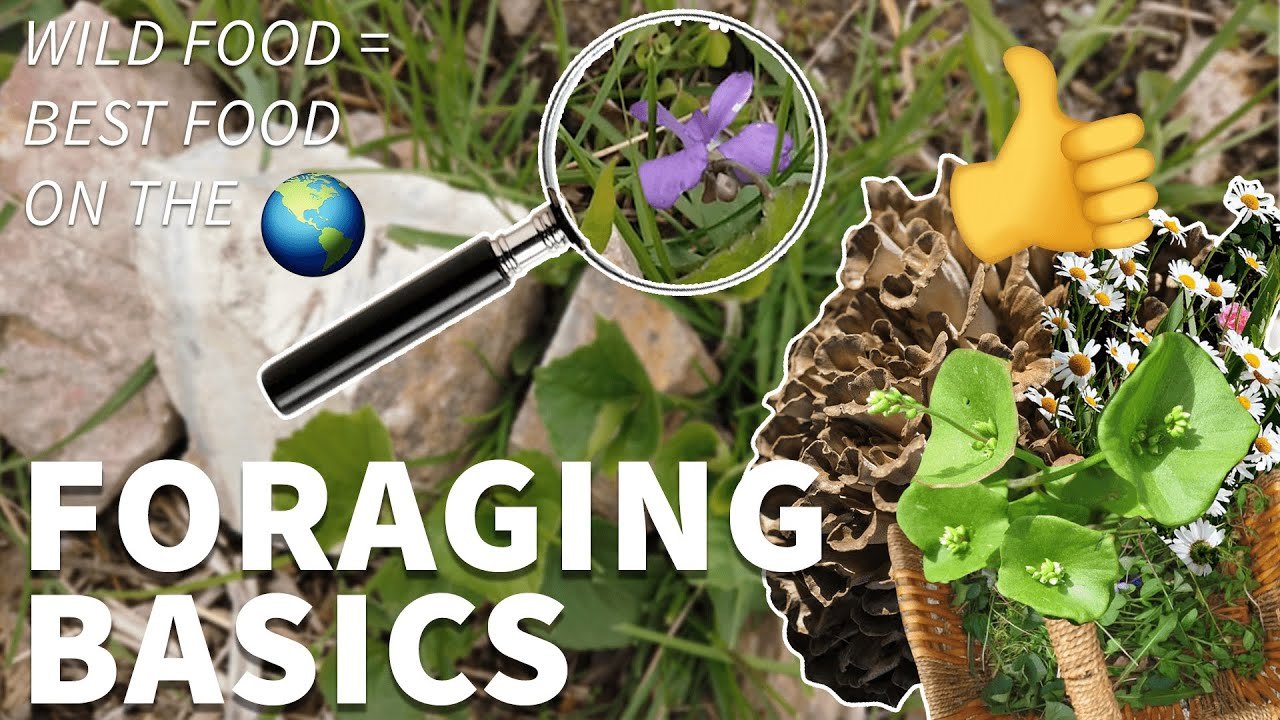
Foraging is the act of searching for, identifying, and collecting wild food from natural environments. It has been an essential practice for survival and nourishment throughout human history. In modern times, it has gained popularity as a way to reconnect with nature, explore the outdoors, and enjoy natural, sustainable foods. Foraging can include gathering wild plants, mushrooms, nuts, and even seafood like seaweed.
The Benefits of Foraging
Foraging offers numerous benefits:
- Connection to Nature: Foraging allows you to develop a deeper relationship with the natural world, fostering a sense of appreciation and respect for the environment.
- Nutritional Value: Wild plants and mushrooms are often more nutrient-dense than their cultivated counterparts, offering a rich source of vitamins, minerals, and antioxidants.
- Sustainability: Foraging is an eco-friendly way to gather food. Unlike industrial farming, which often depletes the soil, wild food harvesting allows us to live in harmony with the land.
- Cost-Effective: By foraging, you can reduce your grocery bill and enjoy fresh, free food.
Foraging Ethics Respecting Nature
Foraging should be done responsibly to ensure that the environment remains healthy and that food sources are available for future generations. Key principles include:
- Harvest Only What You Need: Avoid overharvesting. Take only what you need and leave enough for the plant to reproduce.
- Follow Local Regulations: Make sure to follow any laws or guidelines related to foraging in your area, as some places may restrict foraging, especially in protected lands.
- Respect Wildlife: When foraging, always be mindful of wildlife. Avoid disturbing animals and ensure that your presence doesn’t negatively impact their habitats.
Essential Tools for Foraging
Foraging requires minimal equipment, but there are a few key tools that can make the process more efficient:
- Basket or Cloth Bag: Ideal for carrying your foraged foods.
- Sharp Knife or Scissors: For cutting herbs, mushrooms, and plants without damaging them.
- Field Guide: A reliable field guide will help you identify wild foods.
- Gloves: Protect your hands when handling plants with thorns or toxic sap.
- Magnifying Glass: Useful for inspecting smaller plants or mushrooms.
- Map and Compass: If foraging in remote areas, a map and compass can help you navigate safely.
How to Identify Edible Wild Foods
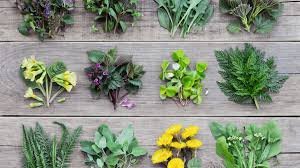
Identifying wild food requires careful attention to detail. Here’s what you should look for:
Key Features to Look For
- Leaves: Shape, size, and texture can help you distinguish edible plants from toxic ones.
- Flowers: Many wild edibles have distinct flowers.
- Smell: Some plants, like wild garlic, emit a distinct odor.
- Color: Bright colors often indicate edibility, but be cautious as some toxic plants share similar colors.
- Roots and Tubers: Ensure you identify the plant properly before harvesting roots or tubers.
Common Edible Plants
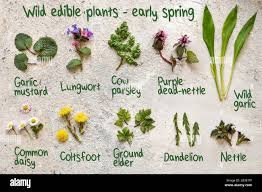
- Dandelion: The entire plant is edible and highly nutritious.
- Nettle: A great source of vitamins, which can be cooked or dried for tea.
- Wild Garlic: Recognizable by its garlic scent, wild garlic is perfect for culinary uses.
Common Wild Mushrooms
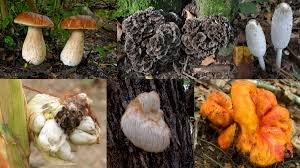
- Chanterelles: A delicious, trumpet-shaped mushroom.
- Porcini: Known for its rich flavor, perfect for soups and sauces.
- Morels: These mushrooms have a distinct honeycomb appearance and are highly prized.
Toxic Lookalikes What to Avoid
Many toxic plants resemble edible ones, so it’s important to be cautious:
- Poison Hemlock vs Wild Carrot: Poison hemlock can be deadly, while wild carrot (also known as Queen Anne’s Lace) is safe to eat.
- Death Cap Mushroom: One of the deadliest mushrooms, resembling edible varieties like the common mushroom.
- Foxglove vs Comfrey: While foxglove is toxic, comfrey is edible if prepared correctly.
Best Time to Forage
Different wild foods peak at different times of the year. Here’s a general guideline:
- Spring: Look for wild greens, such as dandelions and nettles, which are tender and full of nutrients.
- Summer: The best time for berries, wild herbs, and flowers.
- Fall: Perfect for mushrooms and root vegetables.
- Winter: Although foraging becomes more difficult, evergreen needles and root vegetables like wild carrots can be found.
Foraging in Different Environments
Foraging can be done in many diverse environments, including:
Forests and Woodlands
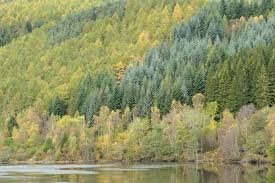
Home to mushrooms, wild greens, berries, and even tree sap.
Meadows and Fields

Wildflowers, herbs, and grasses thrive here. Dandelions, clover, and plantain are common.
Coastal Areas
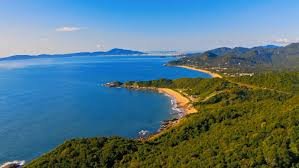
Foraging for seaweed and coastal plants like samphire and sea buckthorn is common along coastlines.
Urban Foraging
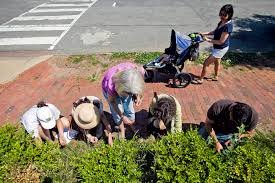
Believe it or not, you can forage in urban environments. Look for wild herbs, fruit trees, and weeds in parks and roadside areas.
Preserving Your Wild Harvest
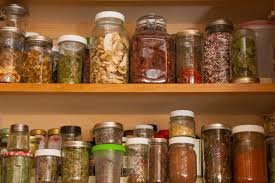
After foraging, preserving your bounty is essential:
Drying and Dehydrating

Drying herbs, flowers, and berries is an excellent way to preserve them. Dehydrators work well for this, but you can also air-dry certain plants.
Freezing
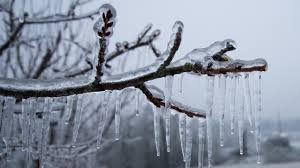
Many wild foods, such as berries and mushrooms, can be frozen for long-term storage. Make sure to blanch vegetables like wild greens before freezing them.
Pickling and Jarring
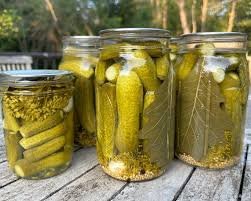
Wild foods like mushrooms, berries, and herbs can be preserved by pickling or jarring. This method also enhances their flavors.
Cooking with Foraged Foods

Foraged foods can add flavor and nutrition to your meals. Here are some tips:
Basic Cooking Techniques
- Sautéing: Wild greens like nettles and dandelions are delicious sautéed with garlic and olive oil.
- Steaming: Mushrooms and wild roots can be steamed to enhance their tenderness.
- Baking: Wild berries can be used in pies, muffins, or jams.
Recipes for Wild Plants
- Wild Garlic Pesto: Combine wild garlic, nuts, olive oil, and Parmesan for a unique pesto.
- Nettle Soup: A warming soup made with fresh nettles, potatoes, and onions.
Recipes for Wild Mushrooms
- Chanterelle Risotto: A creamy risotto with delicate chanterelle mushrooms.
- Morel Stir-fry: A stir-fry made with morels, asparagus, and a soy sauce glaze.
Wild Foraging and Sustainability
Foraging is a sustainable practice, promoting biodiversity and reducing your carbon footprint. It helps support local ecosystems and allows you to gather fresh, seasonal, and wild foods that have not been exposed to pesticides or chemical fertilizers.
Safety Tips for Foraging
- Know What You’re Picking: Always be sure of the identity of the plant or mushroom before eating.
- Start Slow: Don’t try to forage for everything at once. Focus on a few easy-to-identify species first.
- Consult Experts: If you’re uncertain, ask an experienced forager or attend local foraging walks.
- Wash Everything: Always wash your foraged items thoroughly before use.
Understanding the Ecology of Wild Food
Foraging is intertwined with the health of the ecosystem. By foraging responsibly, you support biodiversity and ensure that wild food sources remain abundant for years to come. Learning about the ecological role of each plant or mushroom you collect fosters respect for nature.
Wild Edibles vs Cultivated Food A Nutritional Comparison
Wild foods are often packed with more nutrients than their farmed counterparts. For example, wild greens like dandelions and nettles provide more vitamins and minerals than cultivated spinach. These plants are often richer in antioxidants and other beneficial compounds that support your health.
The History of Foraging How Ancient Practices Shape Modern Foraging
Foraging is as old as humanity itself. Our ancestors relied on wild food for survival, and this tradition has been passed down through generations. In some cultures, foraging was integral to spiritual practices, and wild plants were often considered sacred. Today, foraging is experiencing a revival as people seek to reconnect with ancient foodways.
Foraging in Different Seasons Winter Spring Summer Fall
Each season offers a unique array of wild foods. In spring, look for fresh greens like dandelions and nettles. Summer brings an abundance of berries, flowers, and herbs. In autumn, mushrooms and root vegetables like wild carrots are at their peak. Even in winter, there are hardy foods like evergreen needles and roots that provide valuable nutrients.
Wild Edible Flowers How to Safely Harvest and Use Them
Edible flowers like violets, elderflowers, and dandelions can be used to flavor dishes, make teas, or create beautiful garnishes. Always ensure the flowers you’re harvesting are not treated with pesticides, and be cautious of toxic varieties like foxglove or lily of the valley.
Foraging for Wild Nuts and Seeds
Wild nuts like acorns, hazelnuts, and chestnuts are excellent sources of healthy fats and proteins. Harvesting nuts requires patience as they are often available in fall. Be sure to properly process acorns to remove their tannins before eating.
How to Forage for Wild Berries
Berries are among the most rewarding foods to forage. Blackberries, elderberries, and raspberries are common, but always be cautious of toxic berries like poison ivy. It’s important to positively identify berries before consuming them, as some toxic berries look similar to edible ones.
Foraging for Wild Seaweed and Coastal Plants
Foraging along the coast provides access to a variety of edible seaweeds and coastal plants like samphire, sea purslane, and nori. These plants are packed with minerals and are an excellent addition to soups, salads, or as seasoning.
How to Properly Harvest Wild Mushrooms
Mushrooms like porcini, chanterelles, and morels are prized by foragers. Properly identifying mushrooms is critical to avoid poisonous varieties. When harvesting, always cut mushrooms at the base to allow the mycelium to continue growing.
Foraging for Wild Roots and Tubers
Roots and tubers like wild carrots, sunchokes, and dandelion roots are an excellent food source, especially in fall and winter. These foods often require thorough cleaning and proper cooking to bring out their best flavors.
Foraging and Survival Skills
Foraging is an important survival skill, especially in wilderness or emergency situations. Knowing how to identify edible plants, mushrooms, and other wild foods can provide critical sustenance if conventional food sources are unavailable.
Building a Foraging Journal Tracking Your Discoveries
A foraging journal is a valuable tool for any forager. Keep track of the plants, mushrooms, and other wild foods you discover. Include information like harvest dates, identification features, and culinary uses. Over time, your journal will become an indispensable resource.
Foraging for Medicinal Plants
Many wild plants offer medicinal properties. Chamomile, echinacea, and yarrow are just a few examples. These plants can be harvested and used to make teas, tinctures, or salves.
Foraging in Urban Environments What’s Growing in Your City
Urban foraging is an accessible way to find wild food in cities. Parks, sidewalks, and vacant lots may be home to wild plants like chickweed, dandelions, and plantain. Urban foraging also helps reduce waste by utilizing plants that are often overlooked.
Foraging as a Group Activity How to Organize a Foraging Walk
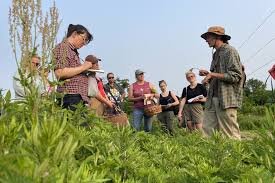
Foraging can be an enjoyable group activity. Organizing a foraging walk allows participants to learn from each other, share knowledge, and discover new wild foods together. Local foraging groups or guided walks are excellent opportunities for beginners to learn.
Table of Contents
- What is Foraging?
- The Benefits of Foraging
- Foraging Ethics: Respecting Nature
- Essential Tools for Foraging
- How to Identify Edible Wild Foods
- Key Features to Look for
- Common Edible Plants
- Common Wild Mushrooms
- Toxic Lookalikes: What to Avoid
- Best Time to Forage
- Foraging in Different Environments
- Forests and Woodlands
- Meadows and Fields
- Coastal Areas
- Urban Foraging
- Preserving Your Wild Harvest
- Drying and Dehydrating
- Freezing
- Pickling and Jarring
- Cooking with Foraged Foods
- Basic Cooking Techniques
- Recipes for Wild Plants
- Recipes for Wild Mushrooms
Conclusion
Wild Foraging and Sustainability
Safety Tips for Foraging
Understanding the Ecology of Wild Food
Wild Edibles vs Cultivated Food: A Nutritional Comparison
The History of Foraging: How Ancient Practices Shape Modern Foraging
Foraging in Different Seasons: Winter, Spring, Summer, Fall
Wild Edible Flowers: How to Safely Harvest and Use Them
Foraging for Wild Nuts and Seeds
How to Forage for Wild Berries
Foraging for Wild Seaweed and Coastal Plants
How to Properly Harvest Wild Mushrooms
Foraging for Wild Roots and Tubers
Foraging and Survival Skills
Building a Foraging Journal: Tracking Your Discoveries
Foraging for Medicinal Plants
Foraging in Urban Environments: What’s Growing in Your City
Foraging as a Group Activity: How to Organize a Foraging Walk
Conclusion
Foraging is a rewarding, educational, and sustainable way to connect with nature and enjoy the delicious bounty it has to offer. By learning how to forage responsibly and identifying wild foods, you can enhance your diet, support biodiversity, and live more sustainably. Whether you’re foraging for fun, nutrition, or survival, the wild world around you has much to offer.