

Just hearing about common garden plant diseases can make even the most seasoned gardener nervous. Sure, there’s no shortage of online info, but figuring out exactly what’s wrong isn’t always straightforward. After checking the signs and symptoms, worried gardeners might end up convinced their beloved plants have caught at least 10 different diseases!
Honestly, one of the easiest mistakes to make is misidentifying a plant issue—whether you’re dealing with seedlings, delicate ornamentals, edible crops, or full-grown trees. In this article, we’ll help clear up the confusion by walking through some of the most common diseases you’ll run into with ornamentals and veggies. Get familiar with these troublemakers, and you’ll have a much better shot at keeping your plants thriving.
Spotting Common Garden Plant Diseases
Figuring out what’s plaguing your plants can be tricky, especially since so many symptoms look alike. Paying attention to how each plant is affected can help pinpoint which parts are taking the hardest hit. For example, sudden wilting often points to problems with nutrient absorption or other internal processes.
Leaf diseases are usually the most obvious, showing up as dramatic changes in foliage. Growing conditions can also offer clues—things like soil moisture, fertilizer levels, temperature, and humidity all play a role. Below, we’ve rounded up the biggest garden problems you might face with ornamentals, edibles, young plants, trees, and shrubs.
1. Blight

Often called botrytis or gray mold, blight is one of the most frequent veggie garden diseases. Caused by the fungus Botrytis cinerea, it also pops up in orchards and flower beds. Infected plants quickly develop yellowing leaves, followed by brown lesions. Flowers aren’t spared either—buds often rot away completely.
Prevention: Smart watering and garden hygiene are key. Avoid splashing leaves (water from below instead) and clear out dead plant debris. If blight strikes, prune off infected parts and dispose of them far from your garden.
Telltale signs: Rapid yellowing leaves, light green spots, or brown lesions.
Plants affected: Tomatoes, potatoes, peppers, eggplants.
2. Damping Off
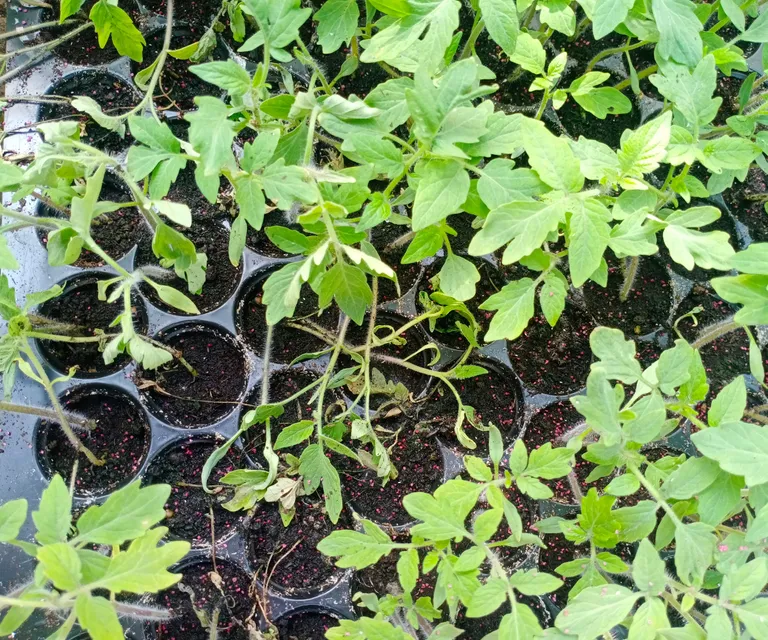
Damping off is a real headache. Triggered by Fusarium and Rhizoctonia fungi, it usually targets indoor-started seedlings. Right after sprouting, the plants suddenly wilt and collapse.
Prevention: Keep a close eye on soil moisture and temperature—avoid overwatering and chilly conditions. Always use clean seed-starting gear and sterile, soilless mixes.
Telltale signs: Thin, weak stems; young leaves wilt and brown; stunted or shriveled growth.
Plants affected: Any seedlings or young plants grown from seed.
3. Leaf Spot
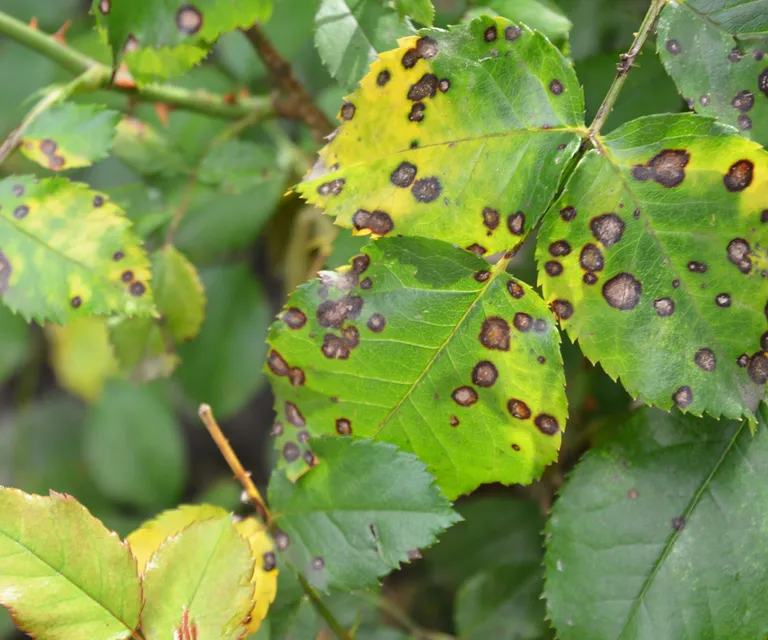
Leaf spot covers a range of bacterial and fungal diseases. While rarely deadly, they can make plants look rough. It starts with yellowing leaves, followed by brown or rust-colored spots that sometimes cause early leaf drop.
Prevention: Water at the base (not the leaves) and ensure good airflow. Indoors, lower humidity—especially in tight spaces like greenhouses.
Telltale signs: Yellowing leaves, irregular brown/rust spots, possible leaf loss.
Plants affected: Firethorn, rhododendron, echinacea, delphinium, astilbe. Edibles: brassicas, currants.
4. Powdery Mildew
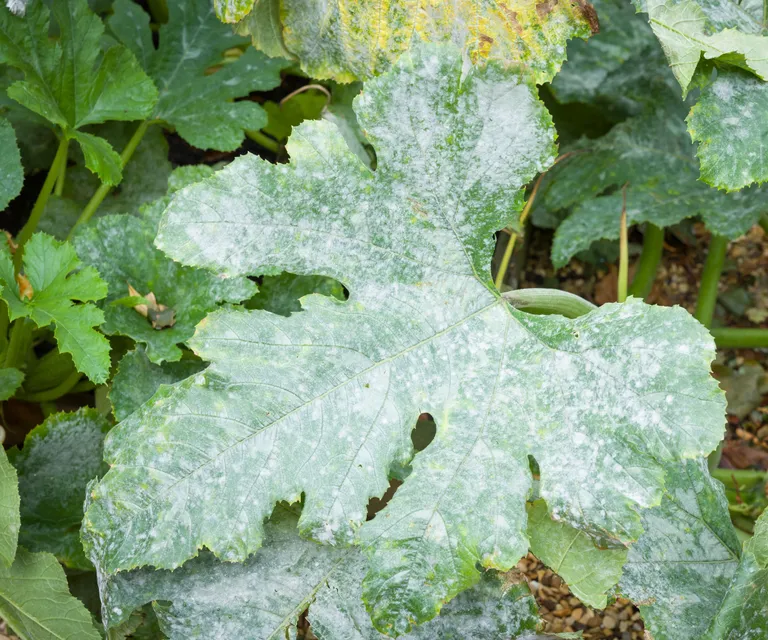
No garden problem list is complete without powdery mildew. This common veggie disease spreads via wind and water, thriving in cool nights and high humidity. A telltale white dusting coats leaves, stems, and flowers.
While it’s ugly, it rarely harms growth. There’s no cure, but removing infected leaves and using foliar sprays can slow it down.
Telltale signs: White, powdery film on leaves.
Plants affected: Pear, plum, peach trees; lilacs, crape myrtles, wisteria, roses; edibles like cucumbers, melons, eggplants, pumpkins.
5. Wilt
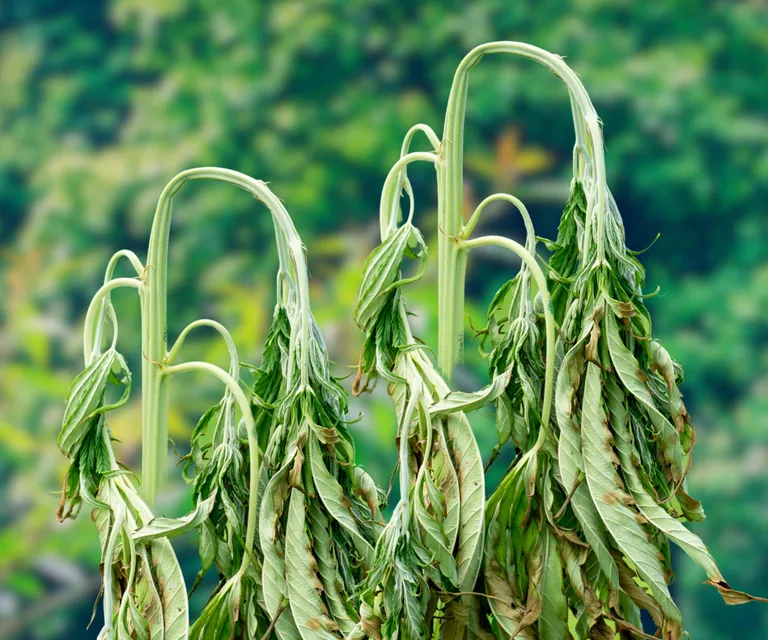
Wilt can happen for tons of reasons—overwatering, underwatering, or bacterial/fungal infections like fusarium wilt. These pathogens disrupt the plant’s vital functions, making them a big deal.
Solution: Remove infected plants ASAP and dispose of them far from your garden.
Telltale signs: Drooping leaves/stems, discoloration, brown leaf tips, weak/mushy stems.
Plants affected: Many, but watch for over/underwatering, poor light, root-bound pots, crowding, or extreme weather.
Frequently Asked Questions
What are the basic signs of fungal infection?
Fungal diseases make up a huge chunk of plant problems. To spot one, check for visible spores or fruiting bodies on the plant. If caught early, a homemade fungicide spray might help.