How to Grow and Care for a Coconut Tree
The coconut palm delivers the ultimate tropical vibe—more than any other plant. It’s not just a stunning landscape feature but also a major commercial crop in warm climates. The dried coconut meat (copra) from its fruit is used to make coconut oil, a key ingredient in soaps, shampoos, cosmetics, cooking oils, and margarine.
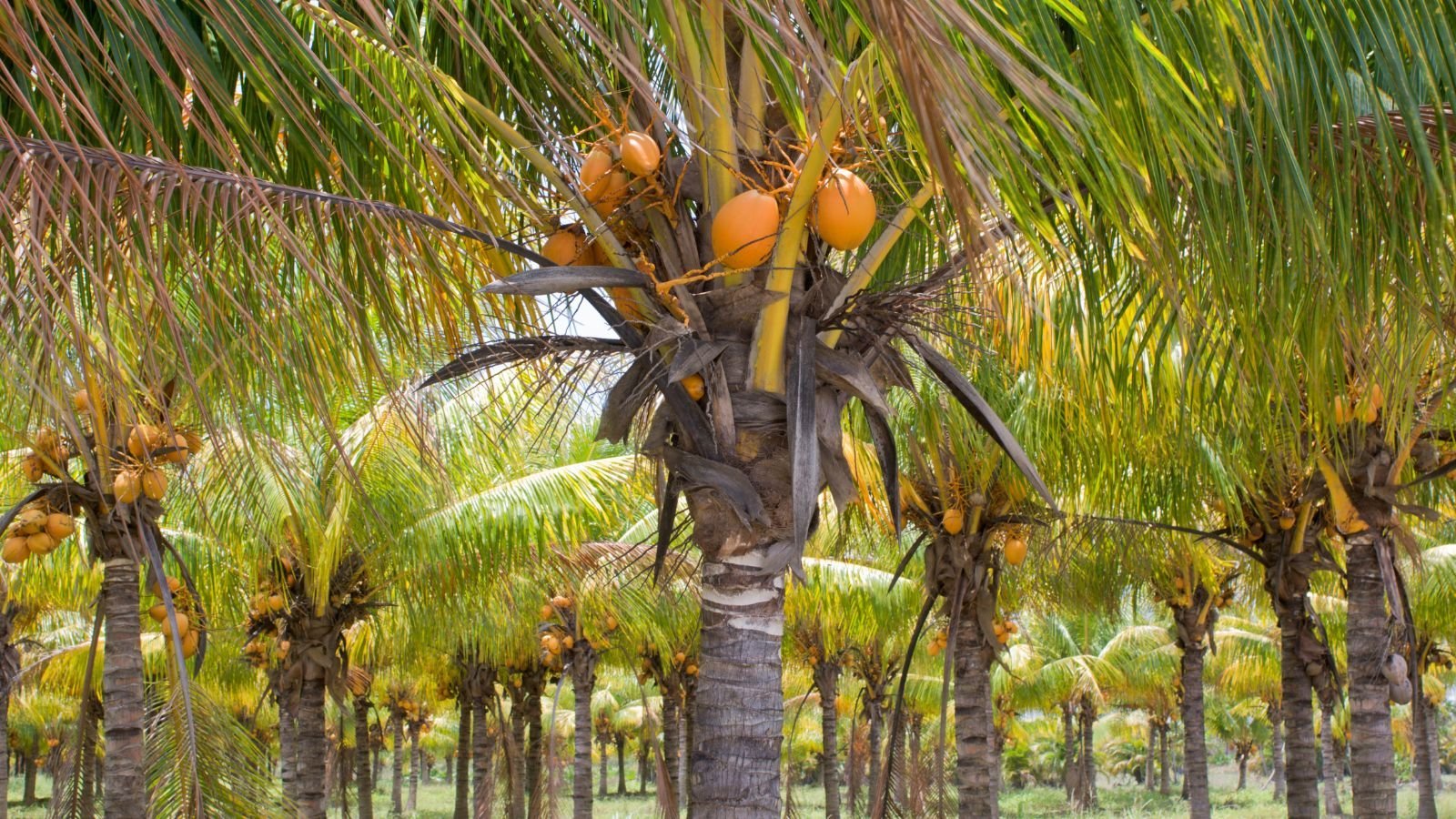
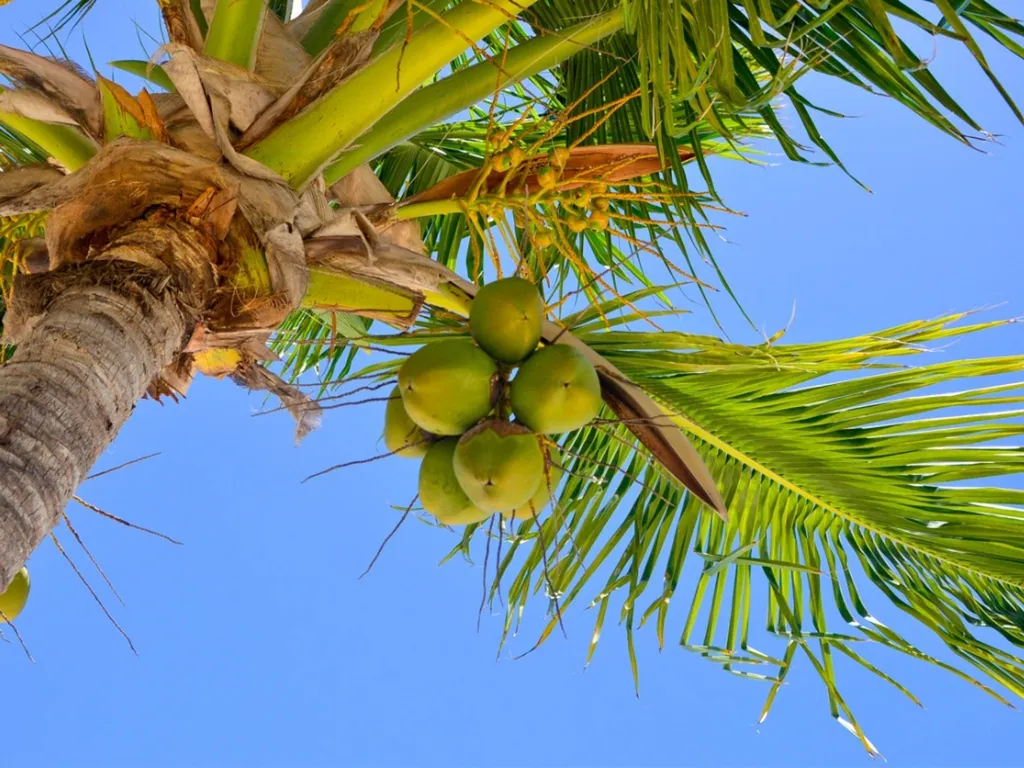
This impressive palm grows with a single light-brown trunk, slightly swollen at the base, and crowned with lush fronds. Tall varieties can soar up to 100 feet, while dwarf types are perfect for smaller gardens.
Quick Facts:
- Botanical name: Cocos nucifera
- Height: Up to 100 feet
- Spread: Up to 40 feet
- Sun exposure: Full sun
- Soil needs: Moderately fertile, humus-rich, moist, well-drained soil
- Hardiness zones: 10–12
- When to plant: Sow seeds in spring; transplant during warm, rainy weather.
Coconut Tree Care
Wondering how to grow a coconut tree? First, get familiar with its needs.
Light
Coconut palms thrive in direct sunlight—the more, the better, especially for fruiting.
Water
They need consistent moisture, which can come from rainfall, but be careful—they can’t handle waterlogged soil.
Temperature & Humidity
To produce fruit, they need a minimum temperature of 64°F.
Soil
For best growth, plant in well-drained, fertile, and moist soil.
Fertilizer
Without proper feeding, coconut palms can develop deficiencies. Use a “palm special” fertilizer with controlled-release N, K, and Mg to prevent leaching. Spread it evenly under the canopy with a rotary spreader.
Problems, Pests & Diseases
Watch out for leafhoppers—they spread lethal yellowing disease, which has wiped out thousands of Florida palms. Choose resistant varieties when planting. Other pests like palm leaf skeletonizers, aphids, nematodes, spider mites, and scale can also cause trouble.
How to Plant a Coconut Tree
- From seed? Plant in spring.
- Transplanting? Do it in the warmest, rainiest months.
- Planting depth: Set the new plant about an inch below the soil surface.
- Water immediately and add a few inches of mulch.
- Water weekly (about an inch) right after planting unless rainfall covers it.
Pruning
Coconut palms don’t need much pruning—just remove diseased or damaged fronds.
Propagation
They grow only from seed (yes, the coconut itself!). Seeds are ready when you hear water sloshing inside. Plant them sideways, burying two-thirds in sand or mulch.
Harvesting
Coconuts ripen year-round, with harvests every few months. Pick them straight from the tree—they’re ripe when the water inside sloshes when shaken.
Growing in a Pot
Yes, you can grow a coconut tree in a container!
- Planting: Set the stem base about an inch below the soil.
- Water frequently until roots establish.
- Repot when it outgrows its container.
Overwintering
Dwarf varieties in pots can be moved indoors for winter—just make sure they get enough sunlight.
Coconut Tree Varieties
Some popular types include:
- West Coast Tall Coconut (drought-tolerant, fruits in 6–7 years)
- Maypan Coconut (cold-hardy, medium to large coconuts)
- Tiptur Tall Coconut (one of the best varieties)
- Orange Dwarf Coconut (fruits in 3–4 years)
- Green Dwarf Coconut (fruits in 3–4 years)
Frequently Asked Questions
Where Do Coconuts Grow?
They thrive in Kenya, Tanzania, Uganda, southern Florida, Texas’s southern tip, and Hawaii. Southern California can grow them, but they don’t usually flourish there.
What’s the Difference Between a Palm Tree and a Coconut Tree?
All coconut trees are palms, but not all palms are coconuts. The Cocos nucifera is the only palm that produces coconuts.
How Long Until a Coconut Tree Bears Fruit?
It starts fruiting in 6–10 years after germination but hits full production only after 20 years.