
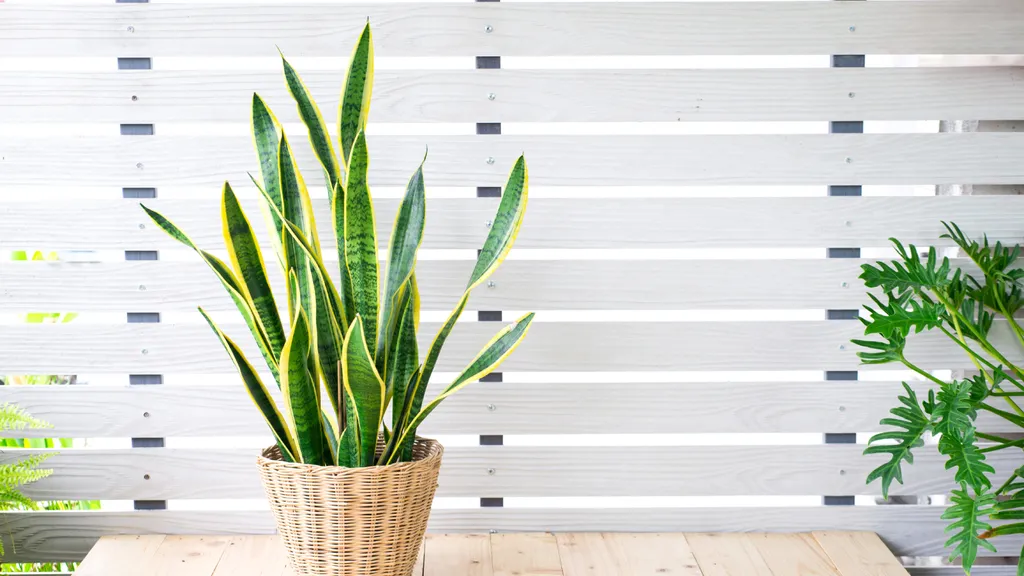
The snake plant, also called the mother-in-law plant or mother-in-law’s tongue, is a well-loved and common houseplant. It’s a tropical evergreen perennial that’s famous for being low-maintenance, tolerating low light, and surviving even if you forget about it.
While there are many varieties of snake plants, they usually have long, narrow, lance-shaped leaves with eye-catching variegated patterns. It’s a favorite for indoor growing, but if the conditions are just right, you might even be able to grow it outside.
Two plants indoors in planter pots
The Perfect Planter
Luxe Indoor/Outdoor Container
Shop Now
This ideal indoor and outdoor planter boasts a timeless shape and a clever double-walled design. Find it in the Gardening Know How Shop.
Can Snake Plants Live Outside?
If you love this striking plant indoors, you might be curious if it can thrive outdoors too. The tall, upright leaves of the snake plant make a great addition to patios and garden beds, especially when paired with plants of different textures and colors. Sure, they can grow outside during summer in most places—but can snake plants survive winter outdoors?
Unfortunately, for most gardens, the answer is no. Snake plants are only hardy in North America’s USDA zones 10 and above. That includes South Florida, extreme South Texas, and a few spots in Arizona and Southern California. If you’re in the right zone, you can grow snake plants outside all year.
If you live in a colder climate outside these zones, you can still move your snake plant outside for the summer. Just transition it slowly to avoid shocking the plant. Start by placing it in the shade for a few hours each day, gradually increasing its time outside over a couple of weeks.
Before planting snake plants outdoors in warm regions, keep in mind that they’re not native. Because they’re so tough and long-lived, they have the potential to become invasive. Once snake plants take root in your garden, they can be hard to remove. If you want to grow them outside, prevent them from spreading—consider keeping them in containers only.
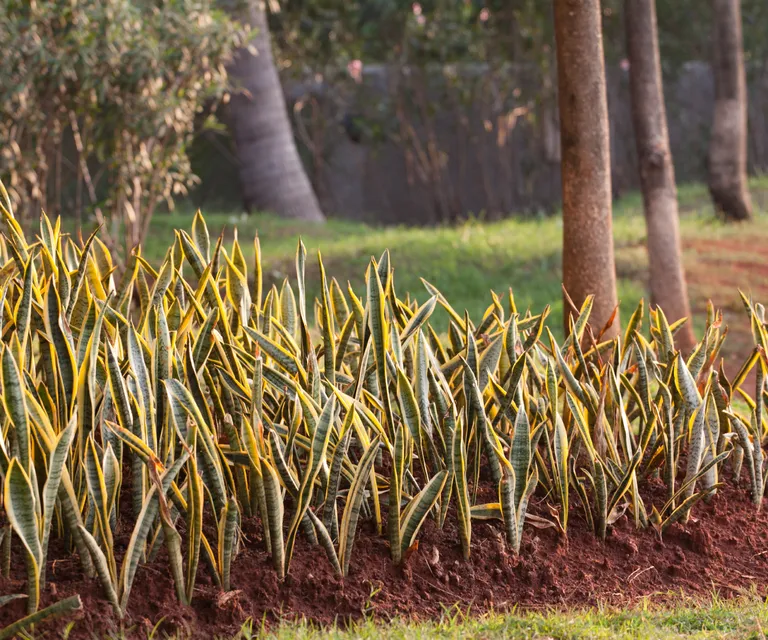
Snake plants growing outdoors in garden
Temperature and Humidity Requirements
Snake plants originally come from tropical West Africa, meaning they thrive in warm, humid conditions. Whether indoors or outside, snake plants prefer temperatures between 65 and 85 degrees Fahrenheit (18 to 29 Celsius). Outdoor temps shouldn’t drop below 55 degrees (13 Celsius) for extended periods.
Gardening tips, videos, info and more delivered right to your inbox!
Sign up for the Gardening Know How newsletter today and get a free copy of our e-book “How to Grow Delicious Tomatoes.”
While snake plants enjoy humidity, they don’t need a ton of moisture to thrive. Let the soil dry out between waterings—it’s actually easier to overwater them than underwater them. Too much water, poor drainage, or soggy roots can quickly lead to rot.
Light Requirements
Snake plants do best in partial sun, dappled shade, or indirect light. Their ability to tolerate low light is one reason they’re such popular indoor plants. When growing them outside, avoid direct, bright sunlight. A spot under a patio or beneath taller plants is perfect.
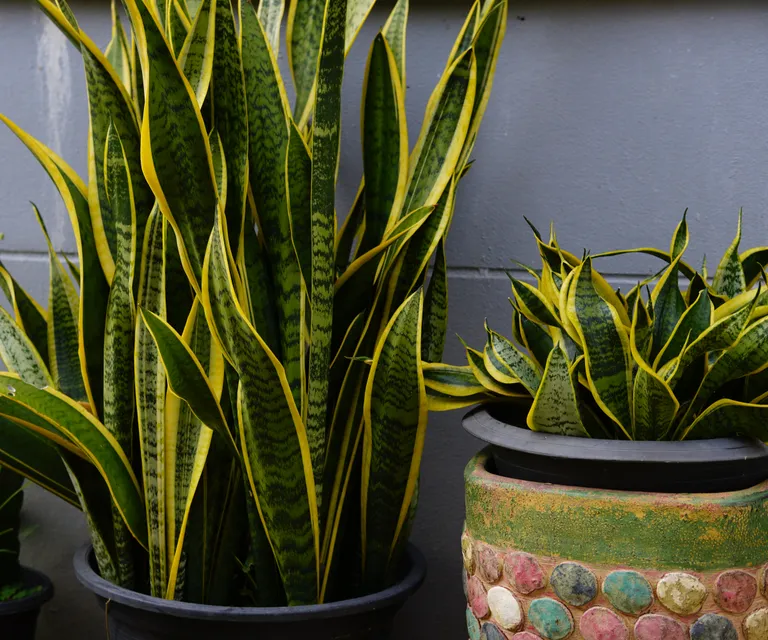
Snake plants outdoors in colorful containers
Pests
Pests tend to be more of a problem for indoor snake plants than outdoor ones. Common indoor pests include mealybugs, spider mites, and fungus gnats. If you move your plants outside for the summer, give them a good rinse with water to help eliminate pests.
For fungus gnats, use sticky traps—they won’t harm the plant but can look a bit messy. Treat mealybugs with rubbing alcohol, and use an appropriate insecticide for spider mites.
Frequently Asked Questions
Are Snake Plants Invasive?
In some warmer parts of North America, snake plants can be invasive. Check with your local county extension office to see if they’re a problem in your area.
Do Snake Plants Grow Better Inside or Outside?
If conditions are right, snake plants can grow just as well indoors or outdoors. The key factors are warmth, avoiding overwatering, and keeping them out of bright, direct light.
More Snake Plant Ideas
- Short on space but want a new snake plant? Our plant experts recommend these 6 small snake plant varieties to add texture to any tiny area.
- Learn how to propagate snake plants for endless fun! You can divide them or grow new plants from cuttings in water or soil.
- Make watering easier with the Cleo houseplant watering can and sprayer set from the Gardening Know How Shop.
- Want to design your garden better? Try our free Outdoor Spaces Mini-Course on the Gardening Know How Learning Channel.
- Get more tips, tricks, advice, and product recommendations by signing up for the free Gardening Know How Newsletter.