
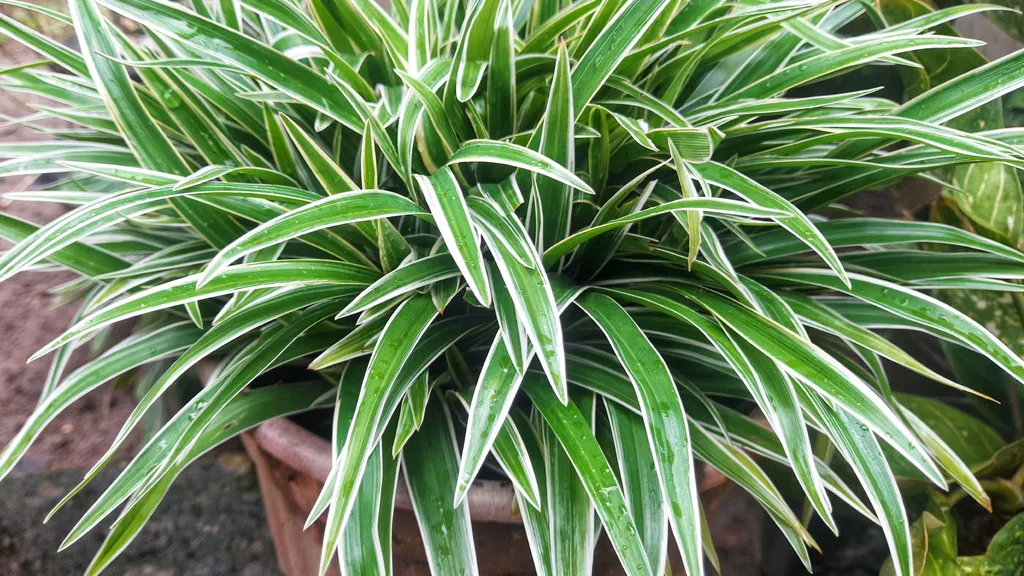
Are you allowed to have favorite houseplants? If I could rank indoor plants based on my personal preference, spider plants would easily be near the top. They’re beautiful, tough, and low-maintenance, with their elegant, arching leaves. Plus, they’re pretty forgiving when it comes to sunlight and watering. But if your spider plant is looking a bit sparse, droopy, or leggy, you might be wondering: how do I make my spider plant bushier?
I’ve kept spider plants for years without major pest or disease problems. Still, every now and then, one starts to look a little thin or unhealthy. If that’s happening to yours, don’t worry—there are simple ways to turn it into a lush, bushy plant in just a few weeks. Below, I’ll share some insider tricks for achieving super-bushy spider plants..
Best Ways to Make a Spider Plant Bushier
A healthy spider plant has lots of slender leaves fanning out from a central rosette. They look fantastic in tall pots, on high stands, or in hanging baskets where their leaves can spill over the edges. Whether you have variegated, curly, or classic spider plants, a full, bushy shape makes them even more stunning.
You don’t need an overly dense plant to enjoy a spider plant’s beauty—I actually prefer mine with a little space between the leaves (it might even be healthier for them). But I don’t like them looking scraggly or thin either. These tips will help you maintain your plant’s health while boosting its volume and shape.
1. Adjust Light Levels for Leggy Spiders
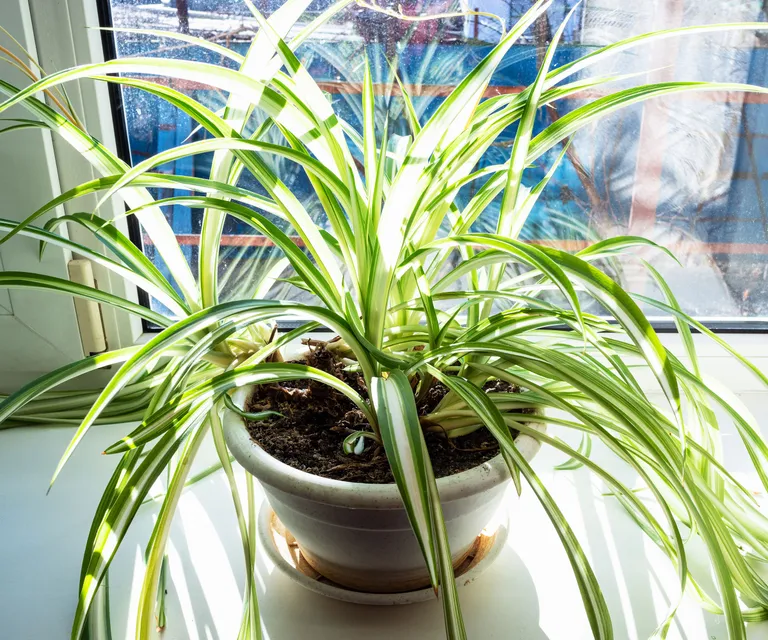
It’s hard to tell stems from leaves on a spider plant—unless it gets leggy. On a healthy plant, leaves seem to sprout from other leaves, but the ones closest to the soil are actually stems. A leggy plant has long stretches of bare stems with few leaves. Basically, if the stems are obvious, your plant is leggy.
Leggy plants usually need more light—they’re stretching toward the sun, just like they would in nature. While spider plants tolerate indirect light, increasing their light exposure can fix legginess.
Try moving your plant to a brighter spot. For example, if it’s in a north-facing window, shift it to a west-facing one with indirect light. You should see improvements in just a few weeks.
2. Water Your Thin Spider Plants
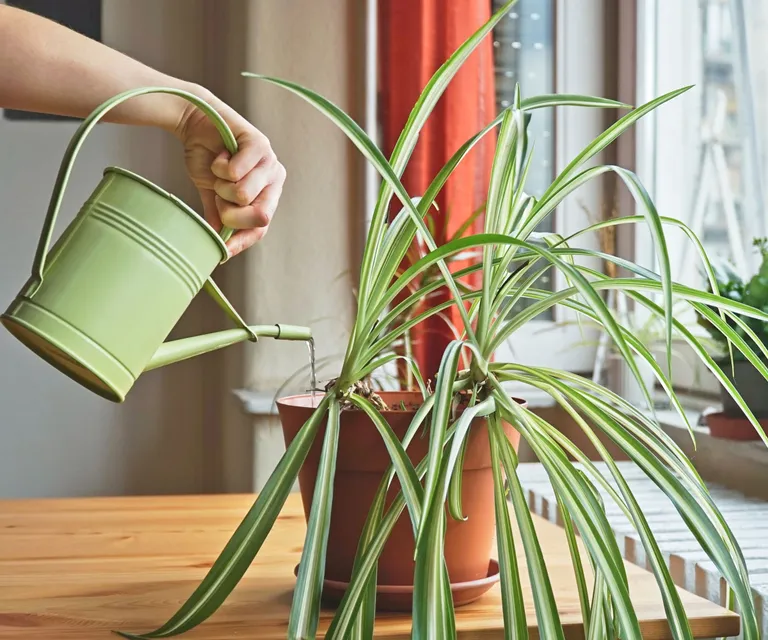
Leggy plants lack leaves near the soil, but thin plants have sparse foliage all over. If your spider plant looks thin, underwatering is likely the issue. Proper watering can make a huge difference in its fullness.
Spider plants do fine with watering twice a month (mine do!). But skip a session, and they’ll start wilting, dropping leaves, and getting leggy. To revive yours, give it a thorough shower—wet the leaves and soak the soil—then let it drain in indirect light.
Worried about overwatering? Make sure your pot drains well. The Drain Drawer Pot (available in the Gardening Know How Shop) helps manage water levels. Stick to a regular schedule, and your plant will bounce back fast.
3. Repot Thin Spiders for Extra Space
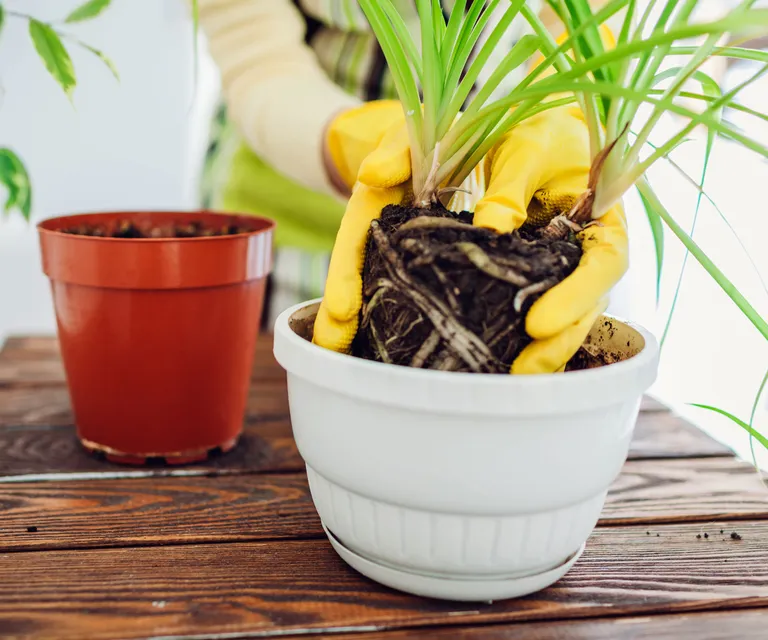
Another reason for thinning? Cramped roots. Spider plants don’t need yearly repotting, but if roots are poking out of the drainage holes or filling the pot, it’s time for a bigger home. Tight roots mean less soil to nourish the plant.
Grab a slightly larger pot and fresh soil—something light and reliable, like the Ridge Indoor/Outdoor Planter from the Gardening Know How Shop. You could even add a self-watering insert (like the TruDrop Flex) to simplify maintenance.
When repotting, trim any damaged roots before settling the plant into its new pot. Once the roots recover, your plant should grow fuller and bushier.
4. Use Interplanting for Bushier Spiders
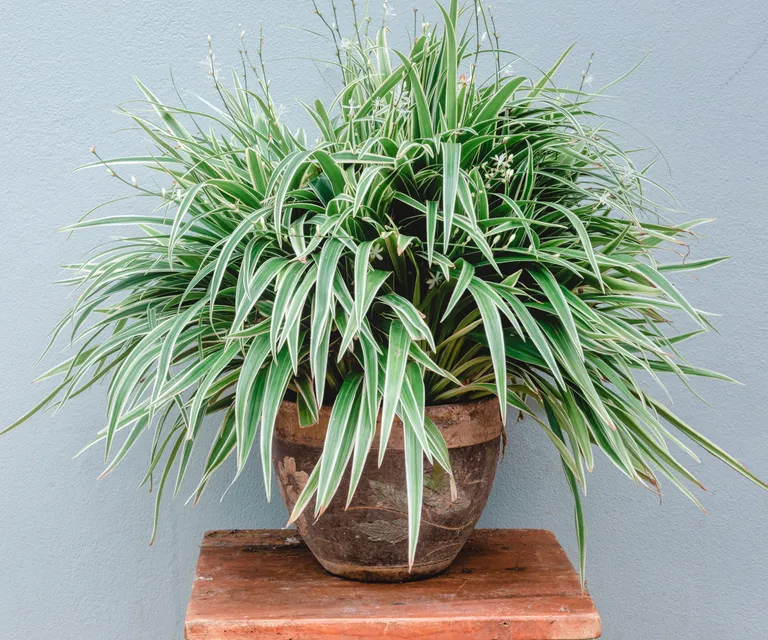
Still wondering how to make my spider plant bushier? Try interplanting—adding baby spider plants (spiderettes) to fill out the pot.
Snip off spiderettes once they develop roots, soak them overnight, then plant them in empty spots in the pot. Keep them watered until they establish themselves. Problem solved!
More Great Houseplant Tips
- Keep your spider plant thriving with our guide on how to fertilize indoor plants.
- Want to show off your spider plant? Learn how to grow a hanging spider plant to highlight its shape and spiderettes.
- Need houseplant ideas for specific rooms? Get inspiration from our perfect houseplant combinations for bathrooms, bedrooms, and low-light spaces.
- Shopping for pots, trays, or tools? Explore our Indoor Gardening Section in the Gardening Know How Shop for all your home gardening needs.