If you’re searching for a steady supply of fresh leafy lettuce for quick salads, your countertop or sunny windowsill is all you need. Growing hydroponic lettuce indoors is one of the simplest ways to keep greens within easy reach. Just give them some light and nutrients, and you’ll enjoy a year-round harvest—perfect for endless bowls of salad.
Hydroponics is a proven method for growing plants in water, no soil required. Instead, it uses alternative growing mediums like rockwool or clay pebbles to anchor the roots. Nutrients are delivered by mixing fertilizer directly into the water.
It might sound trickier than traditional soil planting, but hydroponics is surprisingly simple for growing lettuce indoors—and you barely need any equipment to start.
Why Grow Lettuce Hydroponically?
Lettuce is already one of the easiest crops to grow outdoors in containers or garden beds—it doesn’t take up much space. So why go hydroponic indoors?
- No dirty leaves. Soil loves to cling to lettuce leaves, hiding in every crevice—and no matter how much you rinse, they always seem sandy. With hydroponics, dirt isn’t an issue.
- No pests. Outdoor lettuce battles slugs, bugs, deer, and groundhogs—sometimes wiping out your entire crop before you get a single leaf. Growing indoors keeps your harvest safe.
- Year-round supply. Indoor hydroponic lettuce means fresh greens every day, no matter the weather outside.
- No garden? No worries! Even in an apartment, you can grow lettuce with hydroponics and a sunny window.
What You’ll Need
The supplies for hydroponic lettuce are minimal:
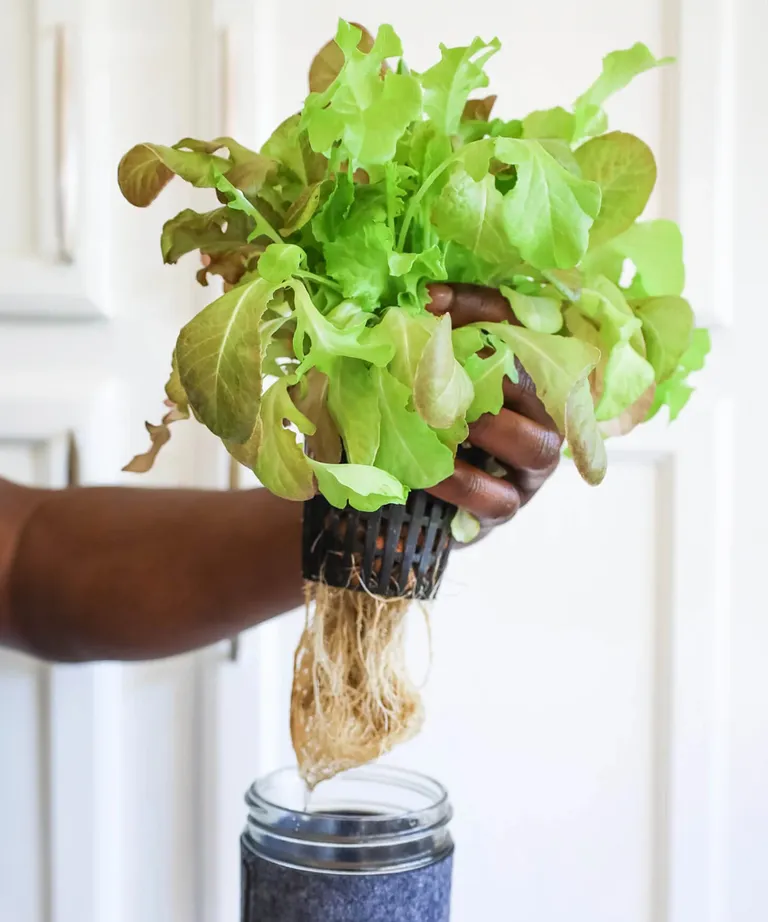
- A container – Preferably a clear glass jar wide enough to support root growth (clear glass lets you check root health).
- A mesh/net pot – Fits inside the jar to hold the growing medium.
- A growing medium – Clay pebbles work great, stabilizing plants and aerating roots. Other options: rockwool, perlite, or coconut coir.
- A growing pod – A small compressed soil pod that expands in water for seed germination (or germinate seeds in a paper towel).
- Lettuce seeds or seedlings – Choose leafy varieties, not head-forming ones.
- Hydroponic fertilizer – Specifically made for hydroponic growing.
- A light source – A sunny window or grow light will do.
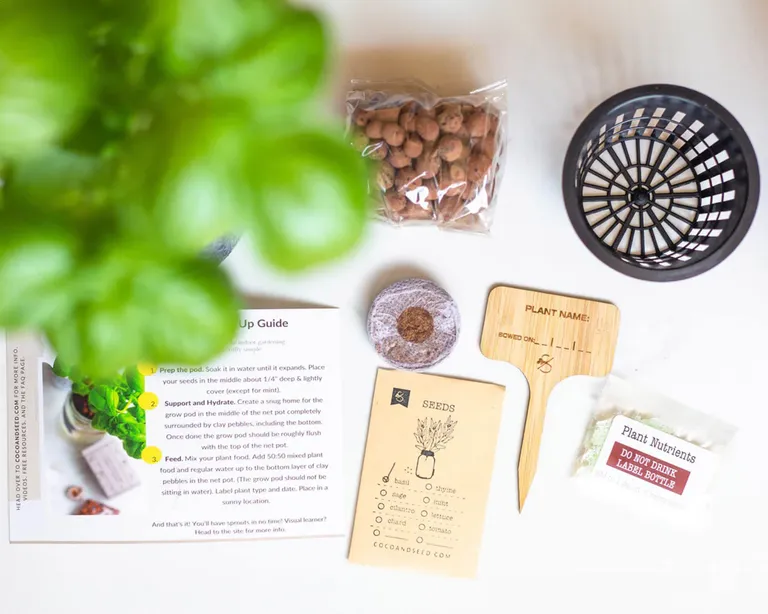
The Lettuce Hydroponic Mason Jar Kit (available in the Gardening Know How Shop) includes:
- A container
- Growing medium
- Nutrients
- A seed mix (red romaine, green romaine, red oakleaf, green oakleaf, red leaf lettuces, and lollo rossa)
- Growing instructions
- A bamboo plant label (to tell it apart from other kits)
- A protective cover to keep water cool and prevent algae
Planting Lettuce in the Jar
Once you’ve got your materials, setting up takes less than 30 minutes:
- Hydrate the grow pod – Place it in a shallow dish of water to expand.
- Sow seeds – Plant seeds about ¼-inch deep, lightly covering with the soilless mix.
- Set up the net pot – Add clay pebbles to the bottom, place the grow pod inside, and fill around it so it sits snugly (top level with the net pot). Put the pot in the mason jar.
- Add nutrients – Mix plant food as directed, then pour a 50:50 water-food solution into the jar until it reaches the bottom clay pebbles (the grow pod shouldn’t sit in water).
- Cover & place – Wrap the jar with its protective cover and set it on a windowsill or under a grow light.
Skip germination? Use small lettuce seedlings instead—just rinse off the soil, nestle them into the clay pebbles (keeping stems/leaves above), and fill with the nutrient mix up to the roots.
Caring for Hydroponic Lettuce
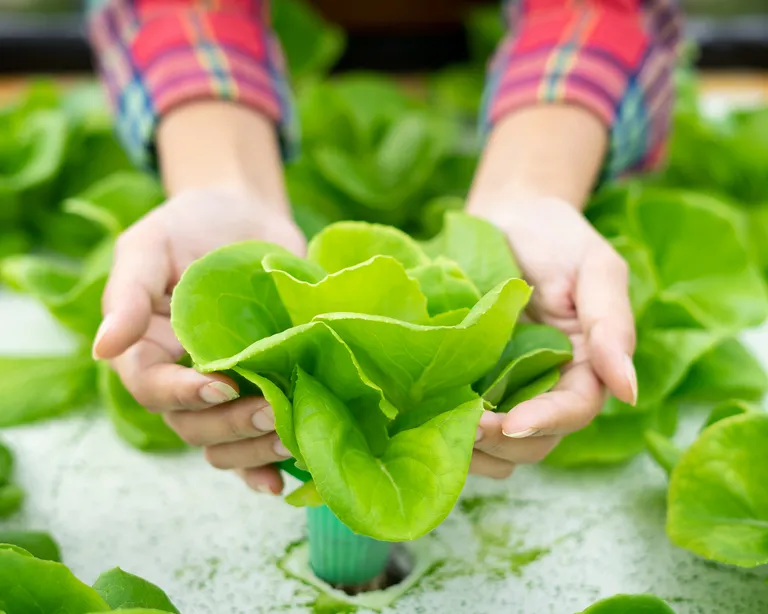
Lettuce seeds sprout fast—expect tiny green shoots in 7–10 days. After that, maintenance is easy:
- Water – Lettuce loses moisture quickly. Check water levels every few days to keep roots hydrated. Refresh water occasionally to prevent algae (use room-temperature water).
- Nutrients – Fast growth means fertilizer runs out quickly. Replenish as directed.
- Light – Aim for at least 5 hours of light daily. A sunny window works year-round, but a grow light helps during long cloudy stretches.
- Temperature – Lettuce prefers cooler conditions (60–70°F / 15–21°C).
- Airflow – A gentle fan or open window prevents mold by keeping air moving.
Harvesting
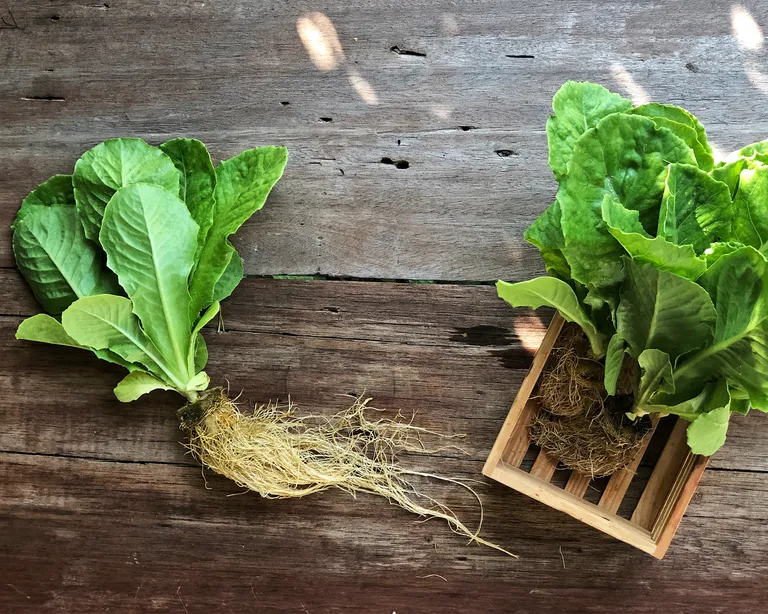
Your lettuce will be ready in about four weeks. But instead of pulling the whole plant, use the “cut-and-come-again” method to extend its life:
- Snip or peel off outer leaves as needed, letting inner leaves keep growing.
- Repeat every few days—your plant will keep producing for about two months.
Eventually, it’ll bolt (send up a flower stalk), and leaves will turn bitter/smaller. To maintain a steady supply, start a new jar every couple of months. Soon, your kitchen will be a mini salad factory!