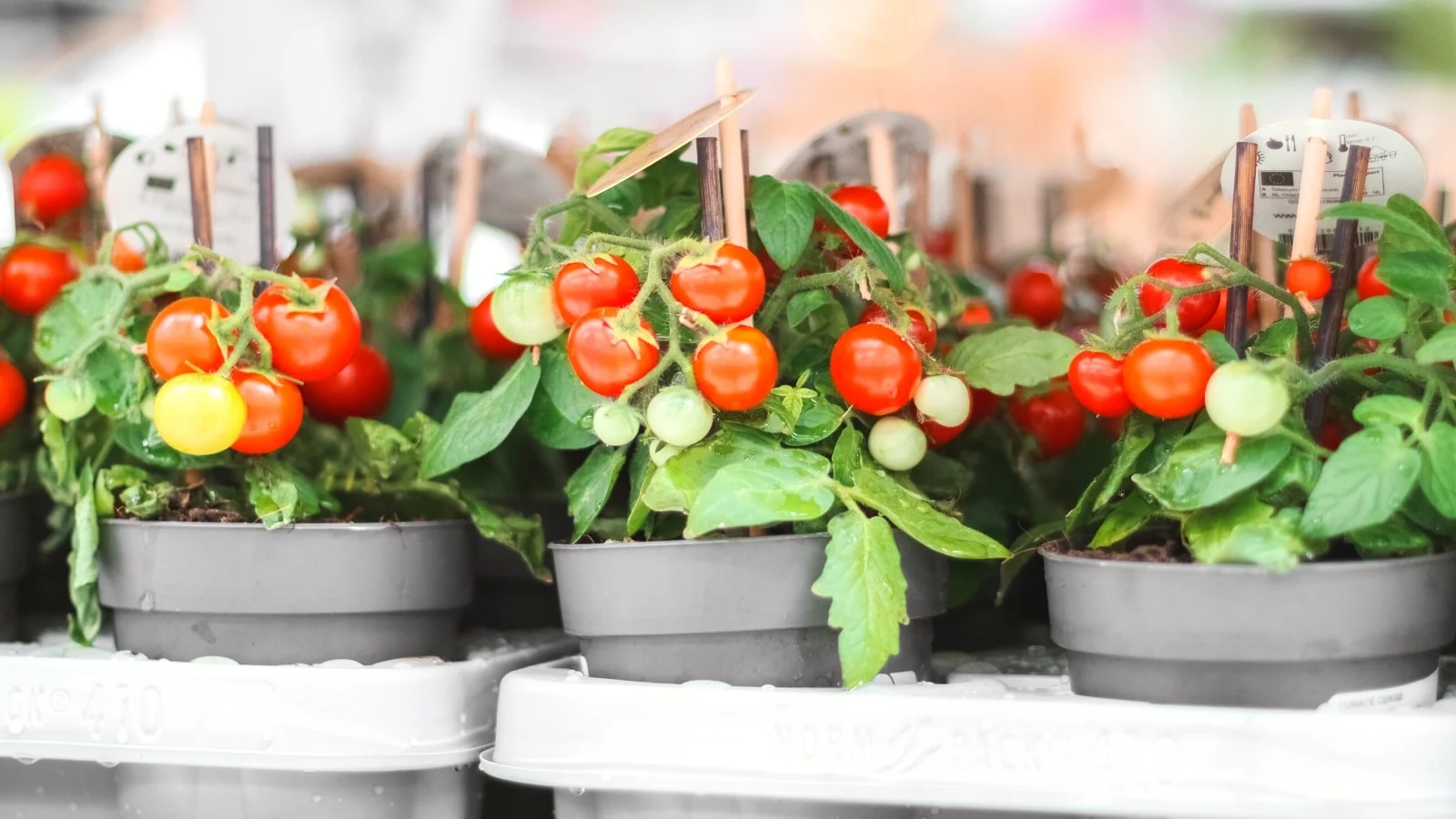
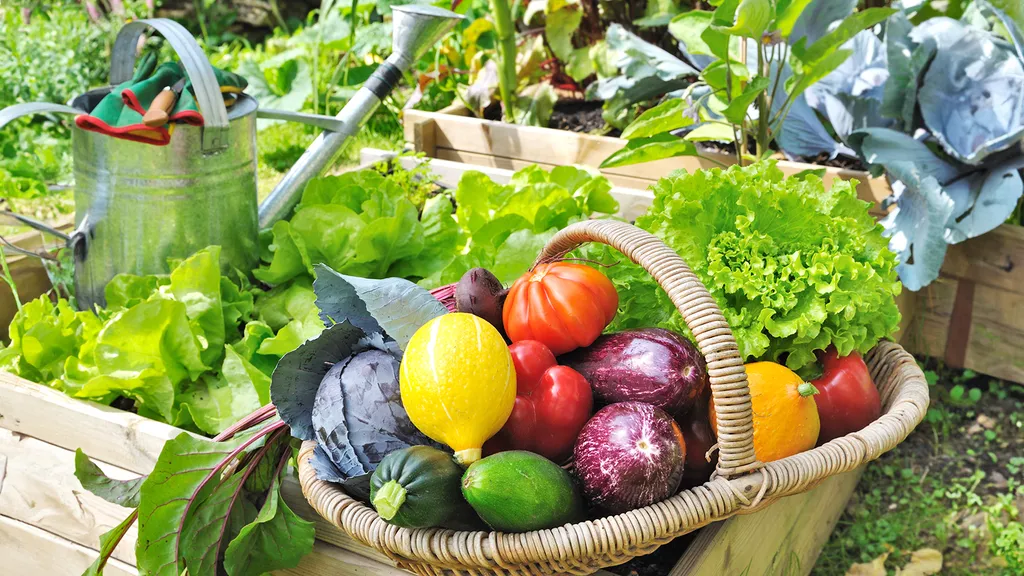
As the weather gets warmer and the days grow longer, May is the perfect time to plant vegetables. Depending on your growing zone, you can either sow seeds directly into prepared soil or start them indoors for transplanting later. If you’d rather skip the seed-starting process, garden centers offer plenty of young plants ready to go.
If you’re starting a vegetable garden, spring is ideal for cool-season crops like lettuce, kale, and snow peas—just sow the seeds directly. There’s still time to plant root vegetables like parsnips and carrots. In many areas, it might still be a bit too chilly for heat-loving nightshades like tomatoes, but starting seeds indoors gives you a head start. That way, your seedlings will be ready to move outside once temperatures rise and the last frost has passed.
We’ve split our recommended May vegetables into two categories: those best transplanted and those best started from seed.
Vegetables to Transplant in May
Cool-season crops should already be in the ground by May. If you have seedlings ready to go outside, don’t forget to harden them off first. This just means gradually getting them used to outdoor conditions like wind and temperature changes. Start by placing them in a semi-shady spot for a few hours, then bring them back in. Over the next week, slowly increase their time outside until they can stay out overnight. After a few nights, they’ll be ready for their permanent spot in the garden.
Here are the best plants to transplant in May, whether you buy young plants from the garden center or move your own seedlings outdoors:
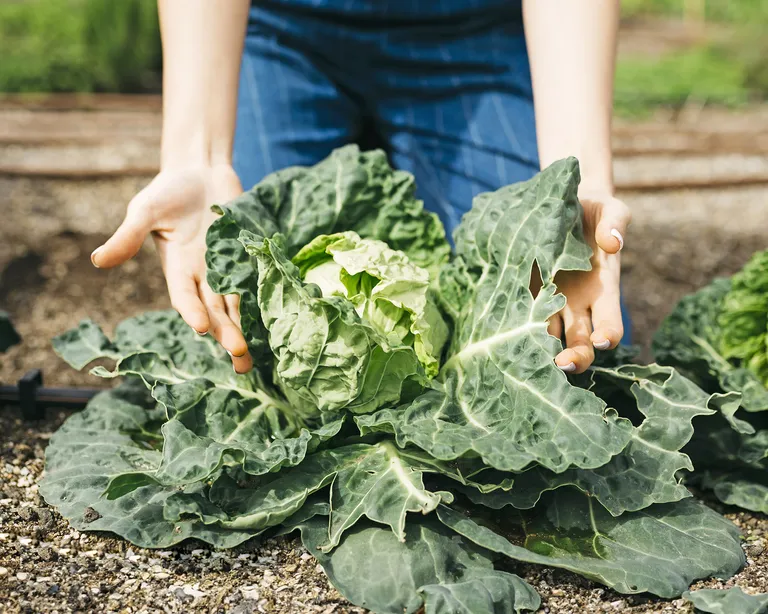
1. Cabbage
Cabbage is super versatile. For the best results, get it in the ground by May. If you haven’t started seeds yet, you can still direct sow in cooler climates—or plant again in late summer for a fall harvest.
2. Snow Peas
Since snow peas thrive in cool weather, they won’t produce well in summer heat. That’s why it’s best to plant them from starts in most regions. Give them a small trellis or poles to climb, and gently guide the young vines until they latch on.
3. Corn
For tall, juicy corn stalks, get your transplants in the ground now. Corn loves nitrogen, so make sure your soil is rich in it. If nights are still chilly, protect young plants with water walls or heavy mulch until things warm up.
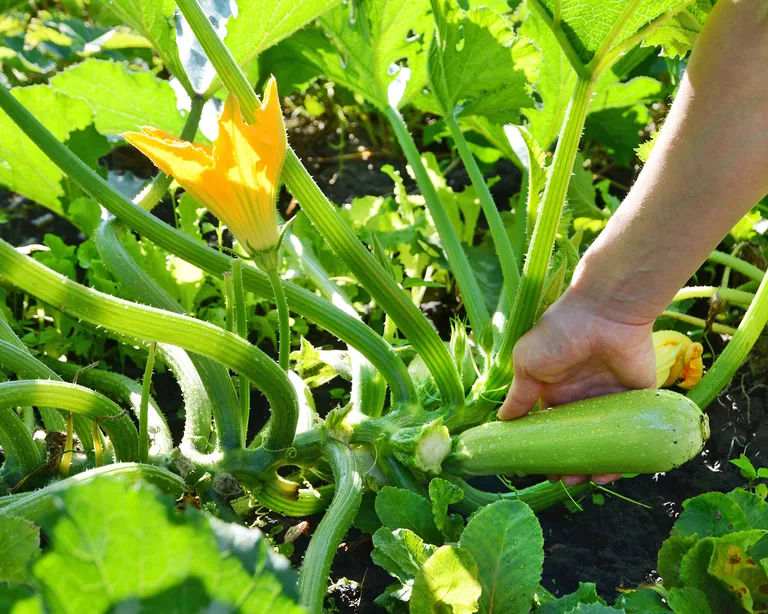
4. Zucchini & Summer Squash
May is the perfect month to plant zucchini and other summer squash. These plants grow fast, so check them daily—otherwise, you might miss the harvest window and end up with oversized veggies. Give them plenty of space to spread out.
5. Cucumbers
Even though cucumbers prefer warm weather, transplants can go outside now. Just pick the right variety for your space: bush types don’t need support, but vining cucumbers will need a trellis or cage.
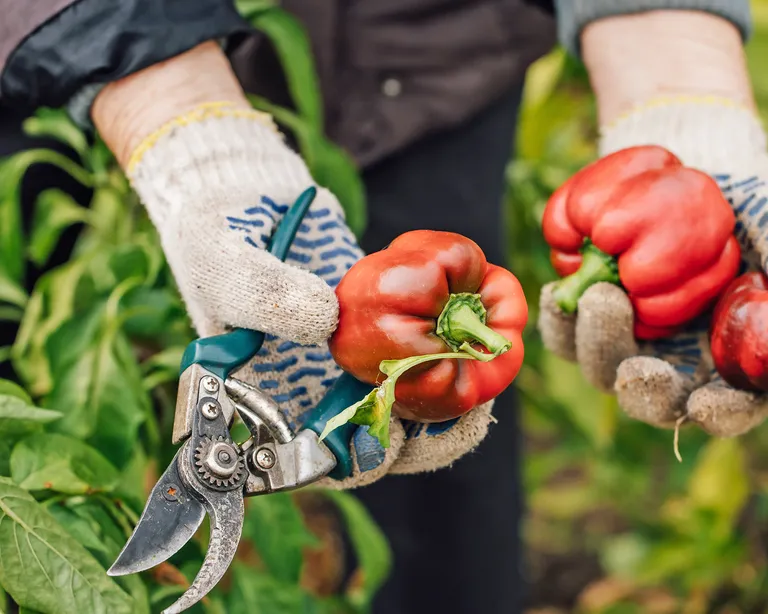
6. Nightshades (Tomatoes, Eggplants, Peppers)
These heat-lovers can go in the ground from mid-to-late May, depending on your zone. Just make sure the last frost date has passed—for most areas, that’s sometime in May.
7. Broccoli & Cauliflower
Choose slow-to-bolt varieties and protect them from midday heat. Watch for aphids, which love these plants. If you transplant in May, they should be sturdy enough to produce before summer heat slows them down.
8. Herbs
Food just isn’t the same without herbs! May is a great time to transplant basil, cilantro, sage, and others after hardening them off. Warm weather will help them grow quickly, so you can start snipping fresh leaves as needed.
Vegetable Seeds to Plant in May
If you live in a warm region, you can direct sow tomatoes and peppers. But if nights are still cool, start them indoors instead. Fast-growing cool-weather crops can still be sown directly, and May is also great for root vegetables. Didn’t start cucumbers indoors? No problem—just sow them now for a later harvest.
9. Lettuce
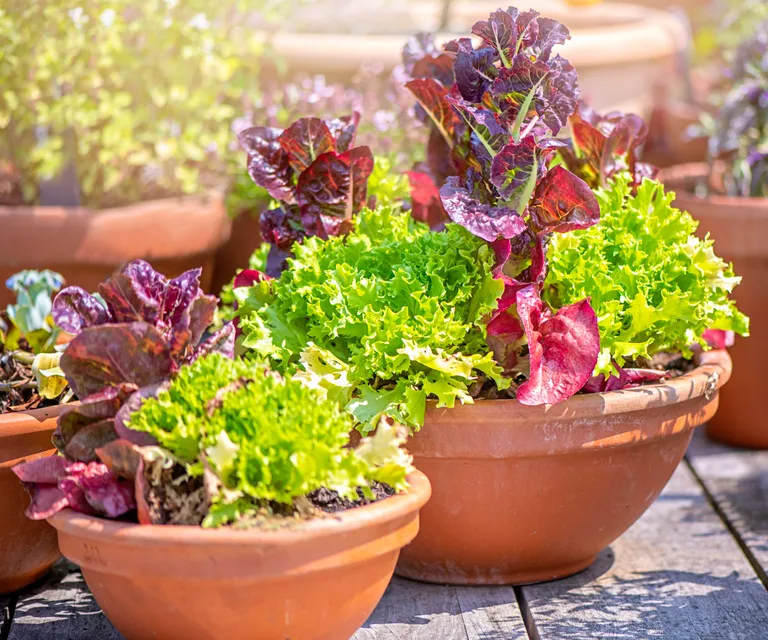
Many lettuce varieties can be direct-sown in May. Iceberg, romaine, and leaf lettuces do best in mild climates. Pick slow-to-bolt types and plant them where they’ll get some shade during the hottest part of the day.
10. Beets
Easy to grow and frost-tolerant, beets should be sown directly in May. They come in all sorts of colors and sizes—like the Detroit Dark Red Beet Some types are ready in just 50 days!
11. Carrots
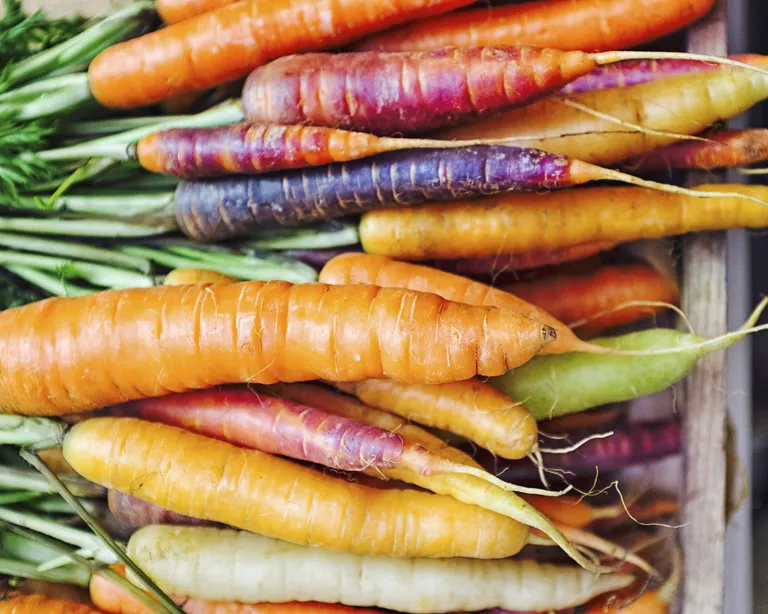
Like beets, carrots are perfect for May planting. Try succession sowing for a steady supply. Since carrot seeds are tiny, you’ll need to thin the seedlings a few weeks after sowing.
12. Pumpkins & Winter Squash
Get these in the ground in May, but make sure the soil is at least 55°F (13°C) for good germination. Give them plenty of space—these plants can get big!
13. Potatoes
There’s still time to plant early and mid-season varieties like Yukon Gold and Purple Majesty. Put seed potatoes in loose soil about two weeks before your last frost date.
14. Radishes
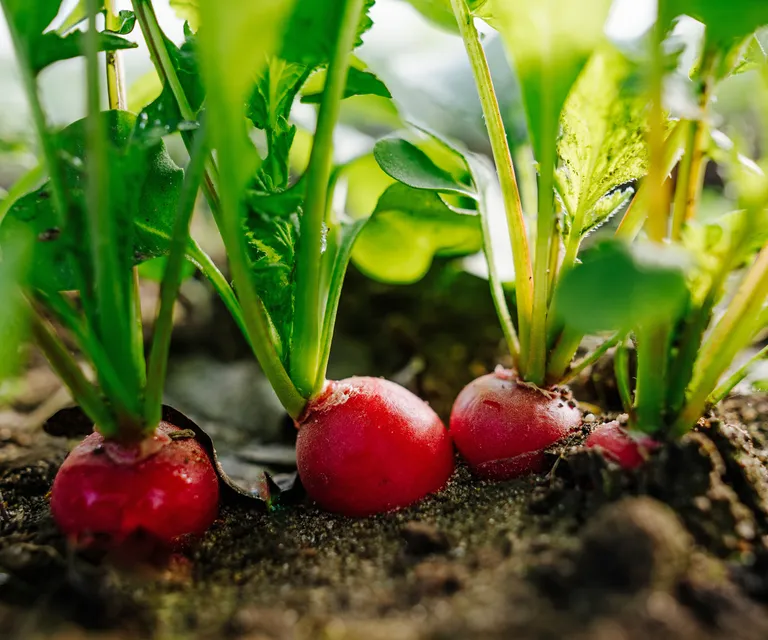
Radishes grow so fast you can plant them throughout the season (though they turn bitter in extreme heat). Choose from spicy or mild varieties in different colors and sizes.
15. Melons
Sow melons after your last frost (usually in May). There are tons of varieties, including compact ones for small gardens. Since they’re heavy feeders, work plenty of nitrogen-rich compost into the soil first.
Tips for Planting Vegetables in May
Before planting, test your soil’s pH and drainage. Dig a 1-foot-deep hole, fill it with water, and see how fast it drains. Well-draining soil should absorb about 1 inch (2.5 cm) of water per hour. If it’s too slow, mix in compost to improve drainage and add nutrients.
Also, think about how much to plant. For heavy producers like tomatoes and peppers, 1–2 plants per person is plenty. For storage crops like potatoes, plant 5–10 per person. Adjust based on what your family loves to eat!