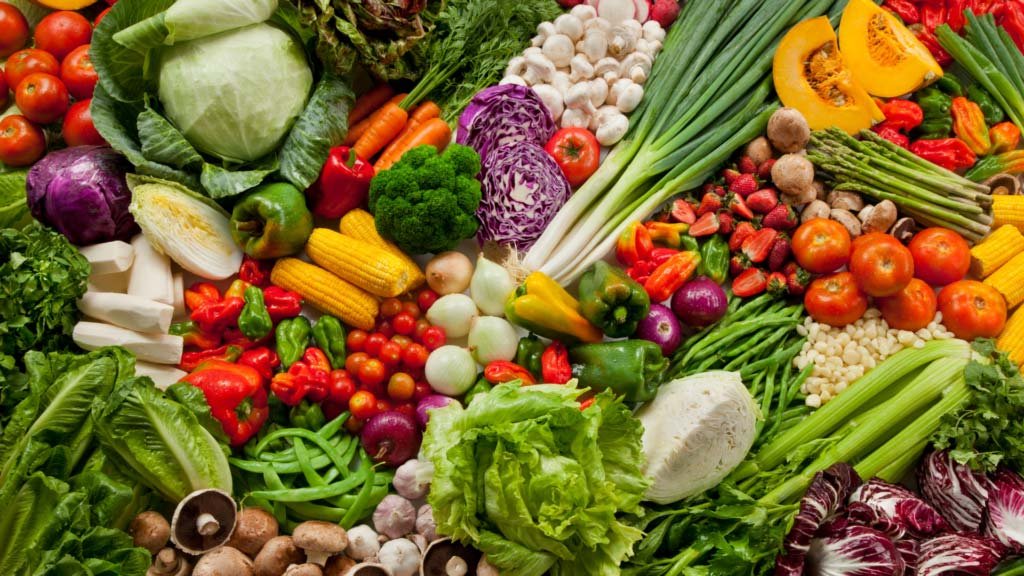
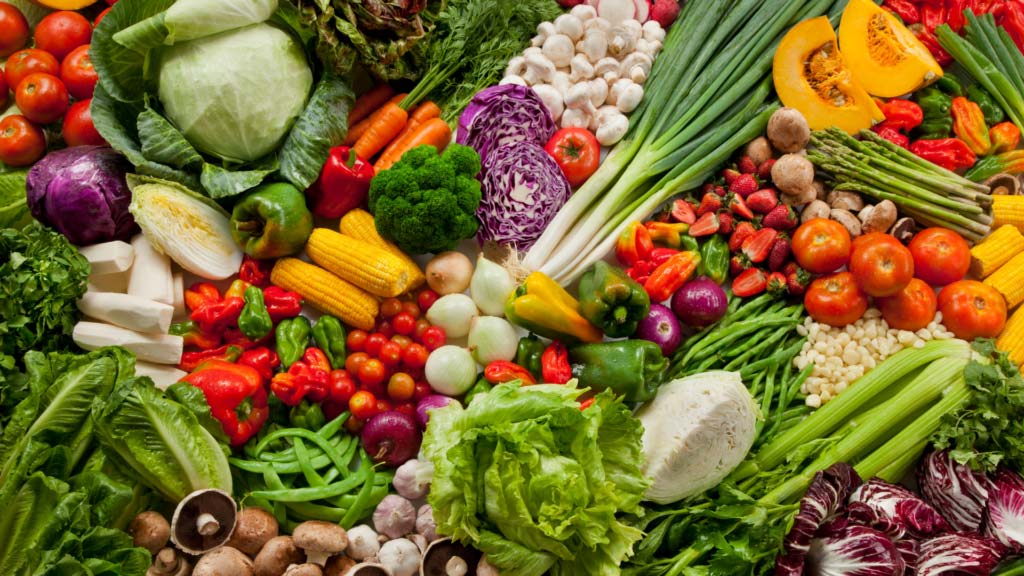
The Best Vegetables I Grow Every Year (And Why You’ll Love Them Too)
:max_bytes(150000):strip_icc()/plant-vegetables-2-25a60490e3544639bbeb0cc1c9387cf5.png)
One of the most valuable lessons you learn in culinary school is this: always use the freshest produce possible. It’s a guiding principle that sticks with you throughout your cooking journey. The better your ingredients, the better your food. That philosophy naturally led me to growing my own vegetables—if I could grow it myself, I knew exactly what I was putting into my dishes.
When I was working as a chef in Seattle, I was lucky to be just a short walk from the famous Pike Place Market. I’d go there regularly to hand-pick ingredients. The produce was stunning—so vibrant and diverse, it made creating dishes an absolute joy. Just choosing one vegetable could feel like picking from a rainbow, thanks to all the heirloom varieties the farmers had cultivated.
Over the years, I’ve narrowed down my top garden picks to just a few reliable, flavor-packed favorites. These are vegetables I plant year after year, and they never let me down—whether I’m cooking for friends or just making a quick weeknight dinner. If you’re planning a vegetable garden, these are solid choices that can seriously elevate your home cooking game.
1. Mortgage Lifter Tomato
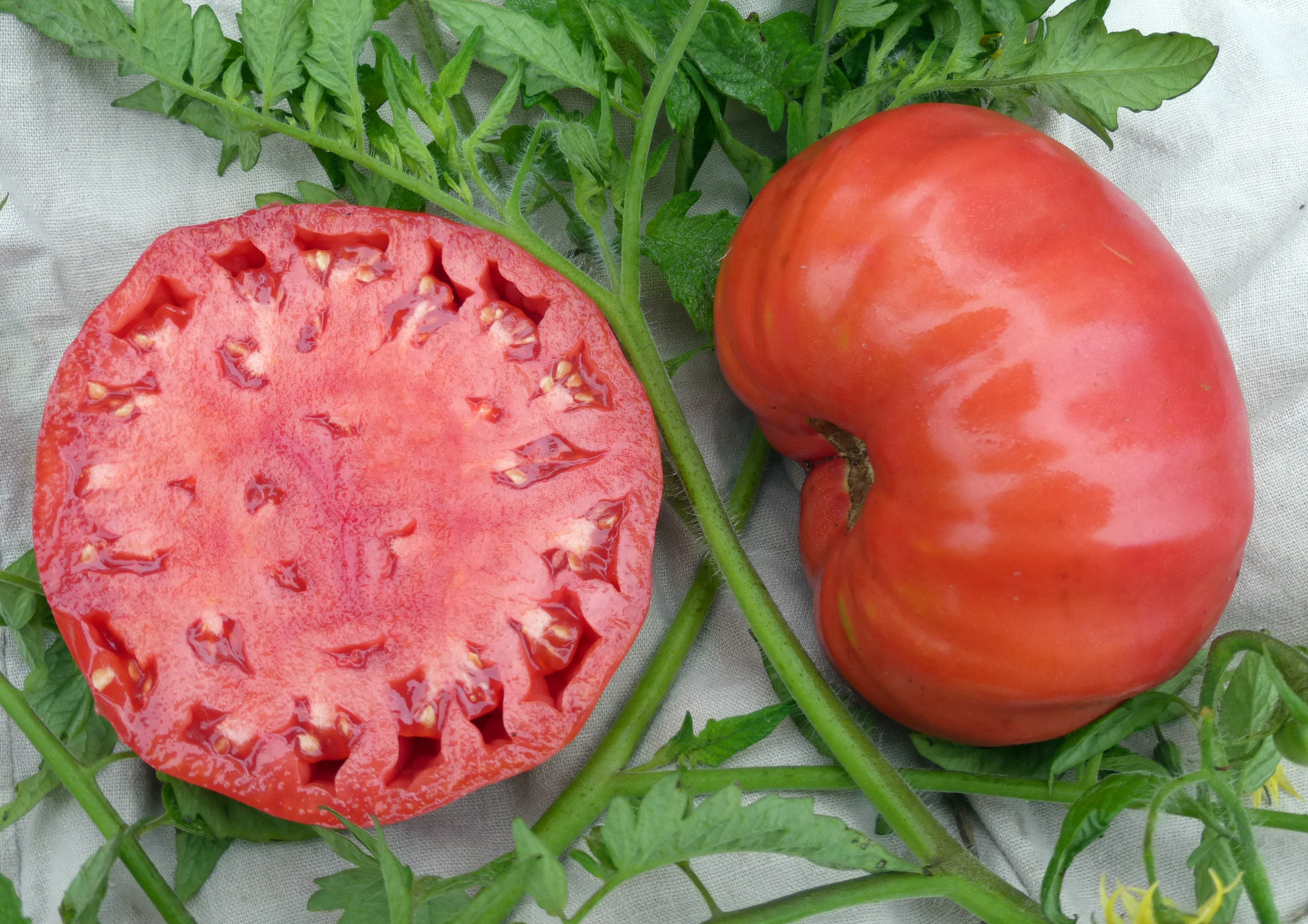
This tomato has one of the most heartwarming backstories in the gardening world. The grower who developed it sold seedlings for $1 apiece and ended up paying off his mortgage—hence the name. But aside from its cute story, this beefsteak tomato is a flavor bomb.
It’s massive (you’ll need two hands to hold one), with a reddish-pink flesh that’s juicy, sweet, and just tart enough to balance beautifully. Starts can be a little tricky to find, but specialty nurseries often carry them. Personally, I’ve tried starting them indoors around late February, but since my setup doesn’t get a lot of heat and sun, I usually just buy my starts.
Be warned: these indeterminate plants grow like crazy and need some serious staking. But the payoff? That first homemade BLT of the season. Totally worth it.
2. Leeks
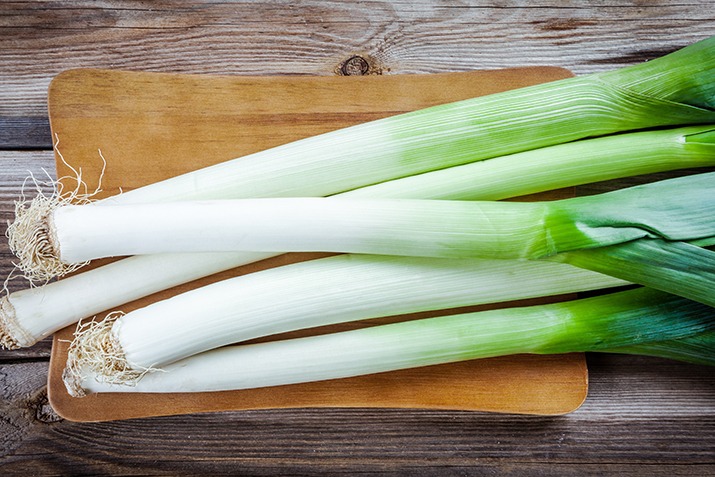
Leeks are one of my secret weapons in the kitchen. They’re part of the onion family but have a gentler, more delicate flavor. Think of them as the quiet achievers—great in soups (like the classic potato leek soup), or as a milder onion substitute in almost any dish.
They’re easy to grow, though a bit tedious to transplant. I start them indoors and then move each spindly seedling outside, usually using a pencil to make holes in the soil. It’s a labor of love, but the result is a big harvest that keeps me and my family stocked. They’re pricey at the grocery store, so growing your own is a smart move.
Bonus: leeks freeze well. Just wash, slice, and freeze for easy winter cooking.
3. Parsnips

Parsnips are such an underrated root vegetable. They don’t get nearly the attention they deserve, but their subtly sweet flavor and versatility make them a must in my garden. I love mixing them with potatoes for a more complex mash, or roasting them to bring out their natural sugars.
They grow best in loose, well-draining soil. Plant them early in the spring and be patient—parsnips need about four months to mature. And here’s the trick: they taste even better after they’ve been hit with a light frost.
4. English Cucumbers
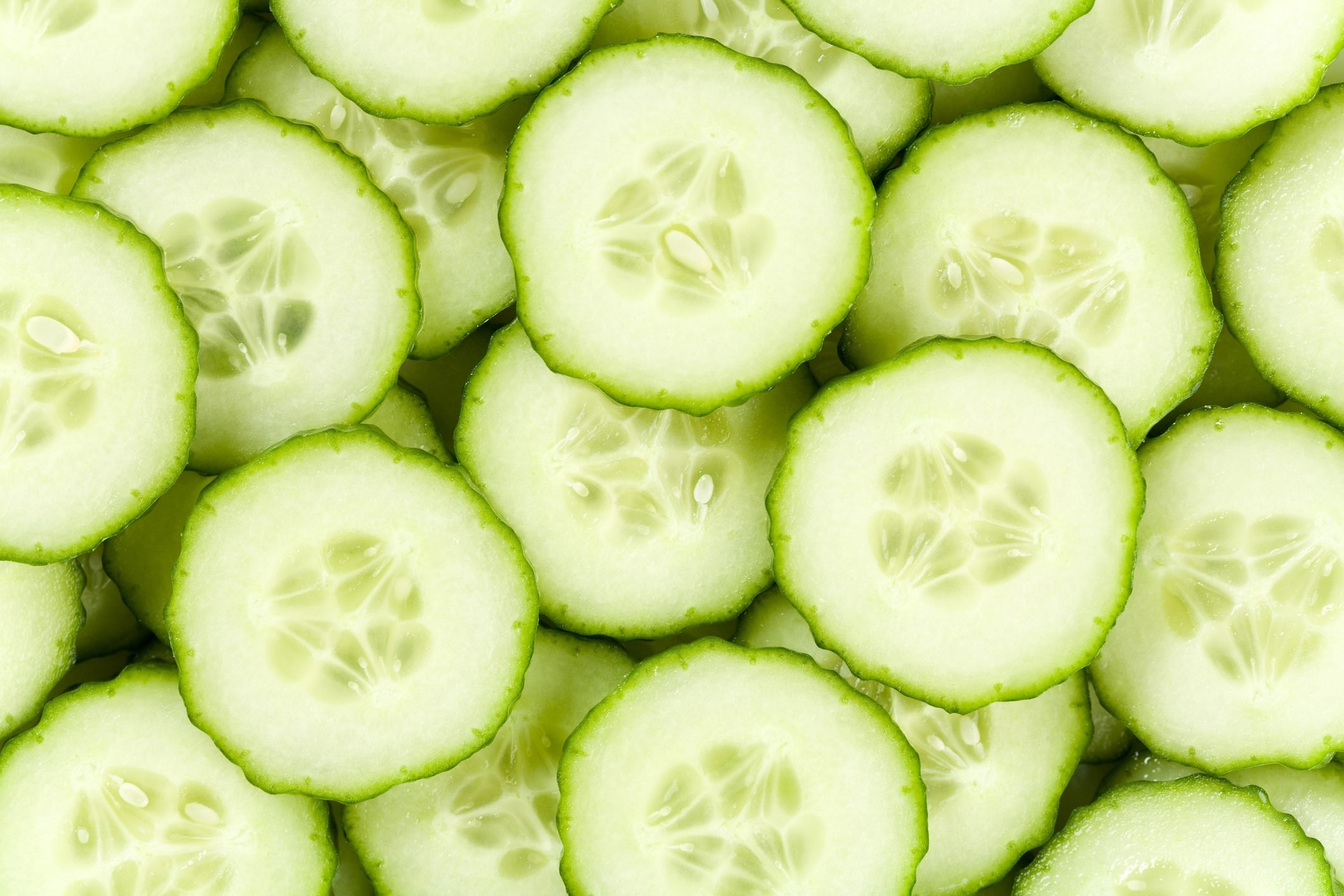
I’m picky about cucumbers. I’ve had some bad luck with seedy ones, so I now stick with varieties like the Chelsea hybrid, which is nearly seedless and totally refreshing.
Start them indoors about six weeks before the last frost. Once outside, give them a trellis to climb so the fruit stays clean and straight. When they start rolling in, I make everything from cucumber sandwiches to tzatziki sauce and quick pickles.
So crisp, so satisfying.
5. Arugula
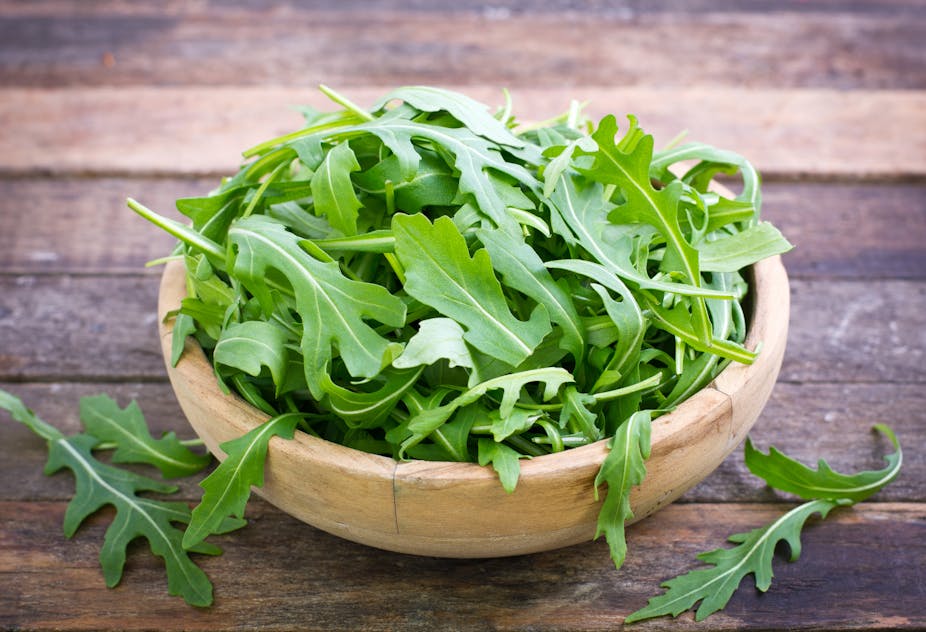
Arugula—or rocket, as it’s sometimes called—was all the rage in the ’90s culinary scene, and it’s still going strong in my kitchen. It has a slightly peppery bite, thanks to being a member of the mustard family.
It’s super easy to grow—just scatter seeds in prepared soil and you’re off. I like harvesting the small leaves for a milder flavor, but even the bigger, slightly bitter ones work great in pesto (swap out basil for a twist).
6. Fingerling Potatoes

Fingerlings are hard to find in stores but easy to love in the kitchen. My go-to variety is Russian Banana. These slender potatoes have buttery yellow flesh with a nutty flavor that holds up to boiling, roasting, or grilling.
I grow mine in potato bags, which makes harvesting easy and keeps things tidy, but they do just fine in loose garden soil too.
7. Beets
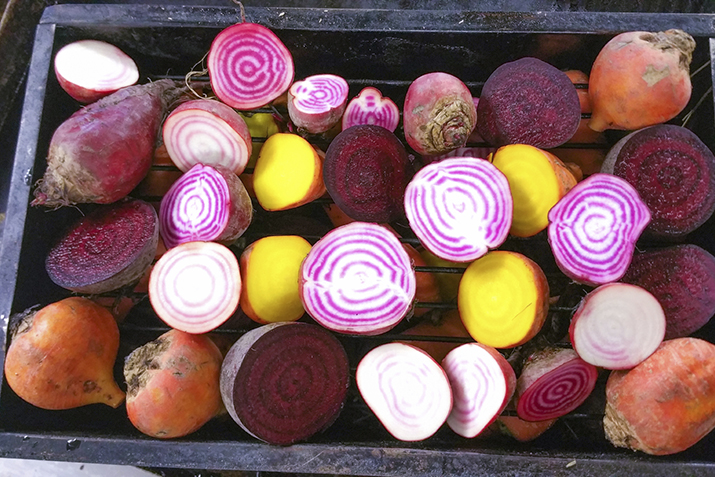
Beets are earthy, sweet, and surprisingly versatile. I love them roasted, served cold in salads, or paired with blue cheese and walnuts. Talk about an upgrade to your usual side dish.
Before planting, I mix plenty of compost into the soil—beets love nutrients. Thin the seedlings so the roots have room to grow, and save the thinnings for salads or sautés.
8. Turnips
:max_bytes(150000):strip_icc()/roasted-turnips-2217054-11-5b0da8b23418c600389437c1.jpg)
Turnips are another overlooked root veg that really shines in a fall harvest. They’ve got a sweet, slightly peppery flavor and are perfect roasted alongside carrots, parsnips, and other root veggies.
The trick is to harvest them when they’re still small and tender. Larger ones can get bitter. But when picked at the right size, turnips are a true gem for roasted medleys or soups.
FAQs
Q: When should I start planting these vegetables?
A: It depends on your zone, but most seeds should be started indoors 4–6 weeks before your last frost date. Root vegetables like parsnips and beets can be direct-sown early in the season.
Q: Are these vegetables hard to grow for beginners?
A: Not at all! Most of these veggies are quite forgiving. Leeks may take some patience to transplant, but otherwise, they’re beginner-friendly with the right soil and light.
Q: Do I need a big garden to grow these?
A: Nope! Many of these plants—like tomatoes, cucumbers, and potatoes—can thrive in containers or raised beds. Even a small garden can yield a delicious harvest.
Q: What’s the best way to store surplus veggies?
A: Freeze sliced leeks, par-cook and freeze potatoes, pickle cucumbers, or roast and freeze beets and turnips. Proper storage means you can enjoy your harvest long after the season ends.
Final Thoughts
Growing your own vegetables doesn’t just ensure you get the freshest, most flavorful ingredients—it connects you more deeply with your food. It’s a labor of love that pays off every time you sit down to eat something you grew yourself.
Whether you’re a passionate home cook or just want better produce than what the grocery store offers, these eight vegetables are tried-and-true winners in my garden. They’ve earned their place year after year for one simple reason: they taste amazing.