Campanula Bellflowers
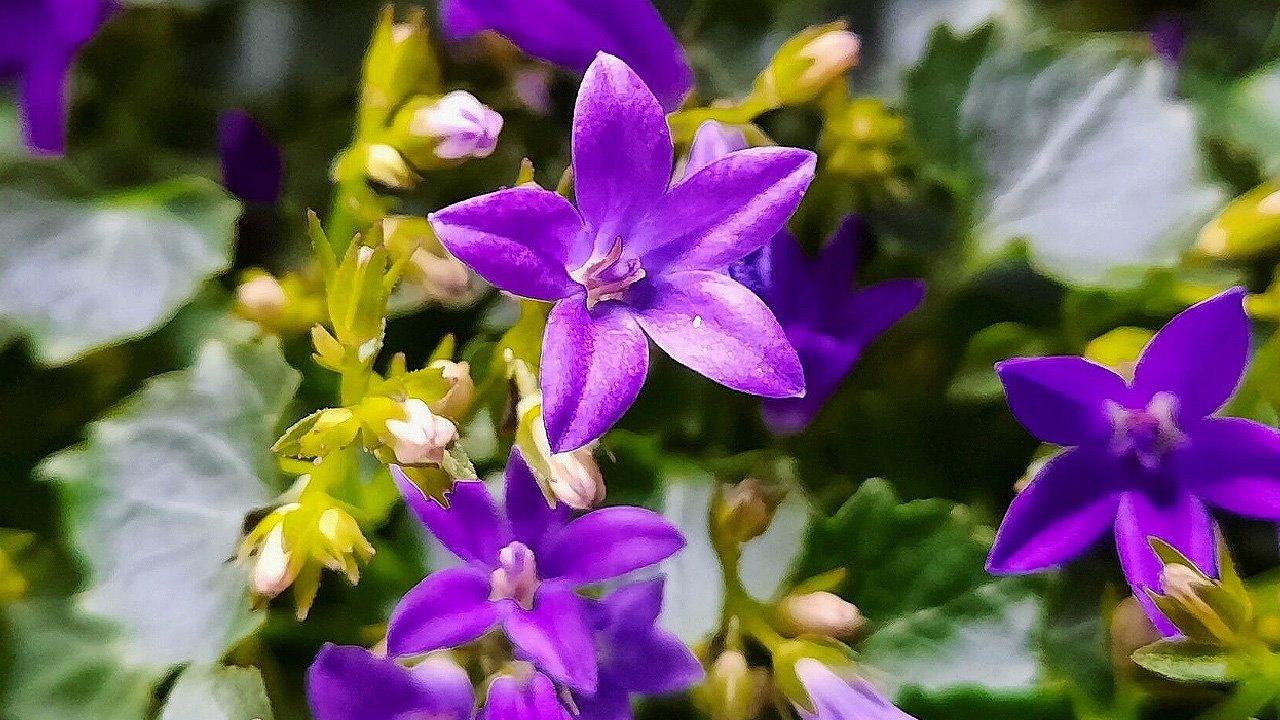
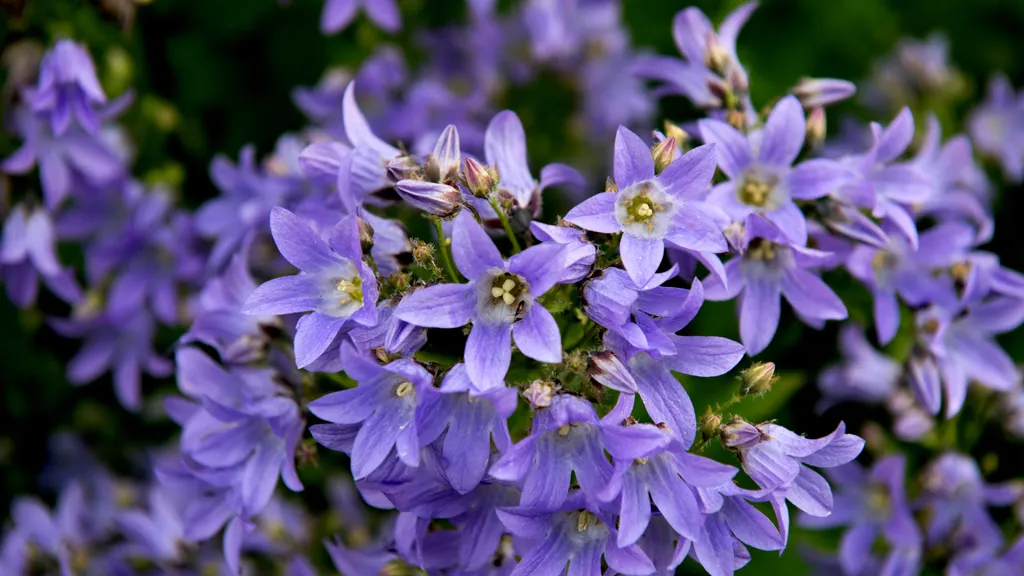
Campanula bellflowers include a lovely mix of biennial and perennial bloomers, perfect for borders, cottage gardens, rock gardens, and containers. With over 300 species, these plants flaunt charming bell- or star-shaped flowers—some dangling from tall spikes, others nestled in low mats. While purple and blue are the most common, you’ll also find varieties in pink and white.
These easy-care plants are pollinator magnets, and many are even deer-resistant. They love cool summers, so if you’re in a warmer climate, give them some afternoon shade.
Retractable Hose Reel Set
No More Tangled Hoses!
This handy retractable hose reel set has everything you need for hassle-free watering—say goodbye to knotted hoses for good! Check out the selection in the Gardening Know How Shop.
Caring for Campanula Bellflowers
Care needs can vary by variety, but here are some general tips. Always double-check the specific needs of the type you choose for the best results.
Light
Most bellflowers love full sun, but if you’re in a hot zone, partial shade is better. Some woodland types prefer dappled or full shade.
Water
Campanulas like moist soil, though some can handle dry spells. Water when the top inch of soil dries out, and mulch to lock in moisture.
Temperature & Humidity
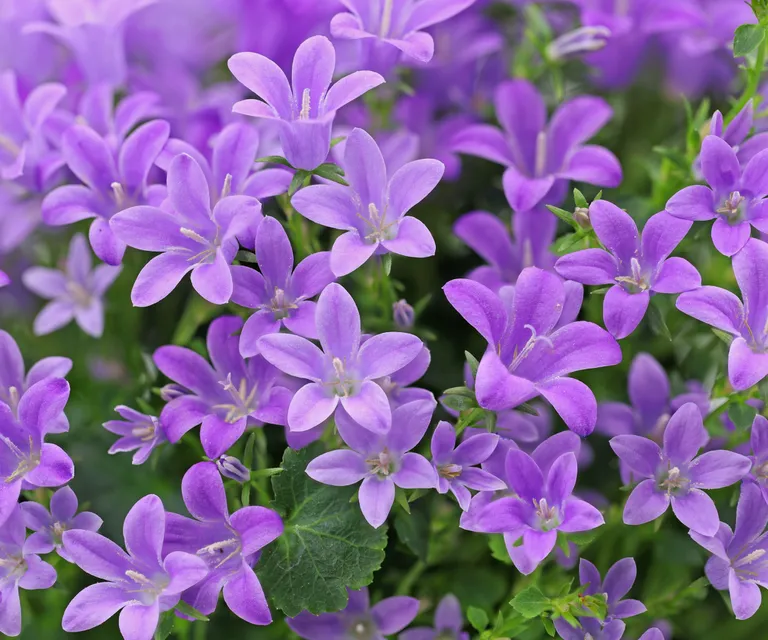
Bellflowers enjoy mild temps—warm days and cooler nights (ideally below 70°F). They struggle in high humidity and hot nights.
Soil
Enrich the soil with compost or manure at planting—fertile, well-draining ground is a must to prevent rot. They’re flexible on pH, doing well in neutral (6.0–8.0).
Fertilizer
In spring, feed bellflowers with a balanced 10-10-10 fertilizer or top-dress with compost/manure.
Problems, Pests & Diseases
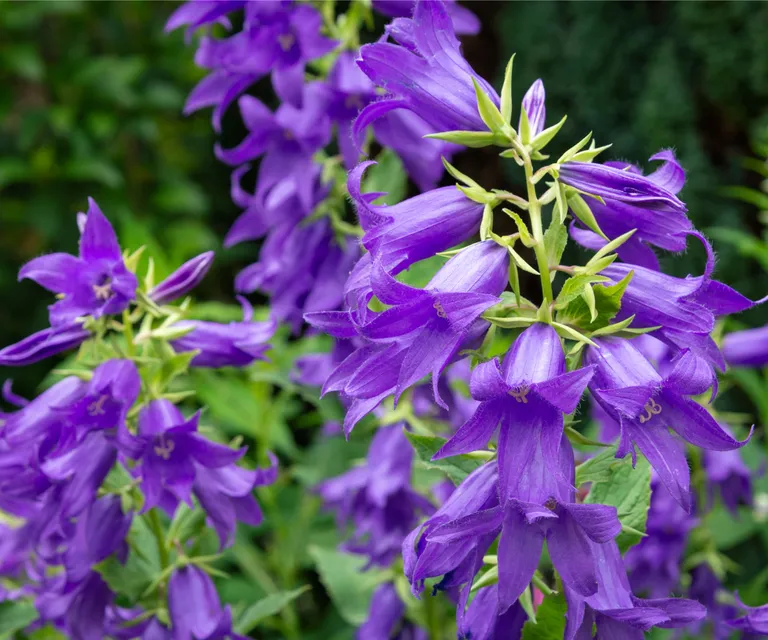
Bellflowers are usually trouble-free but can face aphids, slugs, spider mites, whiteflies, or rust. Neem oil helps with pests (apply weekly). For rust, remove affected leaves and trash them. Use slug traps or diatomaceous earth for slugs.
Pruning
Deadheading spent blooms extends flowering—just be careful not to damage new buds. Cut stalks to the base in fall or spring. To encourage reseeding, leave a few spent flowers.
Propagation
Many varieties self-sow or spread via rhizomes. You can also grow them from seed, division, or stem cuttings.
Repotting
For potted plants, repot when roots surface. Gently remove the plant, shake off old soil, clean the pot, and refresh with new mix. If the plant has outgrown its pot, size up by one or two.
Varieties
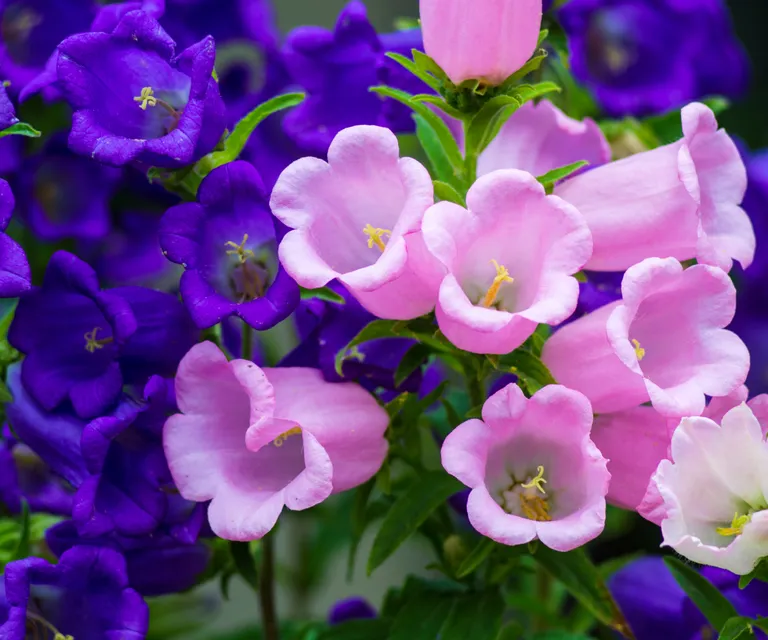
Campanulas come in all shapes and sizes—tall, ground-hugging, sun-lovers, shade-seekers, perennials, annuals, and colors from purple to white to pink. A few favorites:
- Campanula americana (American bellflower): A native woodland type with lavender, star-shaped blooms; loves dappled shade and moist, rich soil.
- Campanula medium (Canterbury bells): Biennial with cup-and-saucer flowers. ‘Champion’ comes in blue/pink; ‘Double Melton Bells’ offers double blooms in pink/purple.
- Campanula rotundifolia (Bluebell bellflower): Delicate blue bells on slender stems; thrives in sandy, well-drained soil.
- Campanula saxifraga (Bellflower): Compact groundcover (4–6 inches tall) with blue-purple bells; needs moist, well-draining soil.
- Campanula ‘Pink Octopus’: Unique with spiky pink petals resembling octopus arms; prefers full/part sun and moist, well-drained soil.
Frequently Asked Questions
When’s the best time to plant Campanula?
Spring is ideal, but some seeds need fall planting for cold stratification.
Does Campanula spread aggressively?
Some types can be vigorous via seeds/rhizomes. Research before buying—Creeping bellflower (Campanula rapunculoides), for example, is invasive in the Midwest.