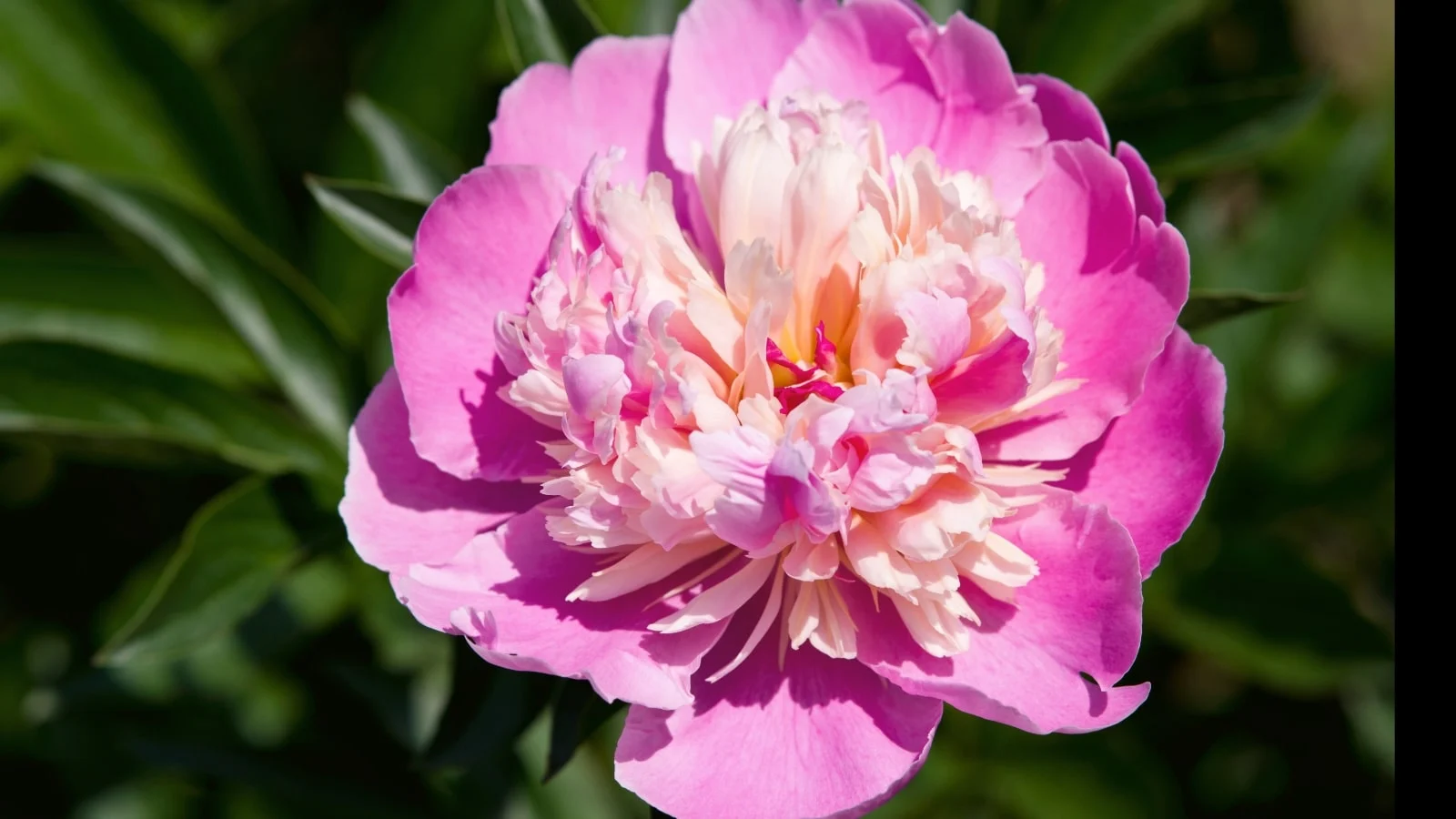
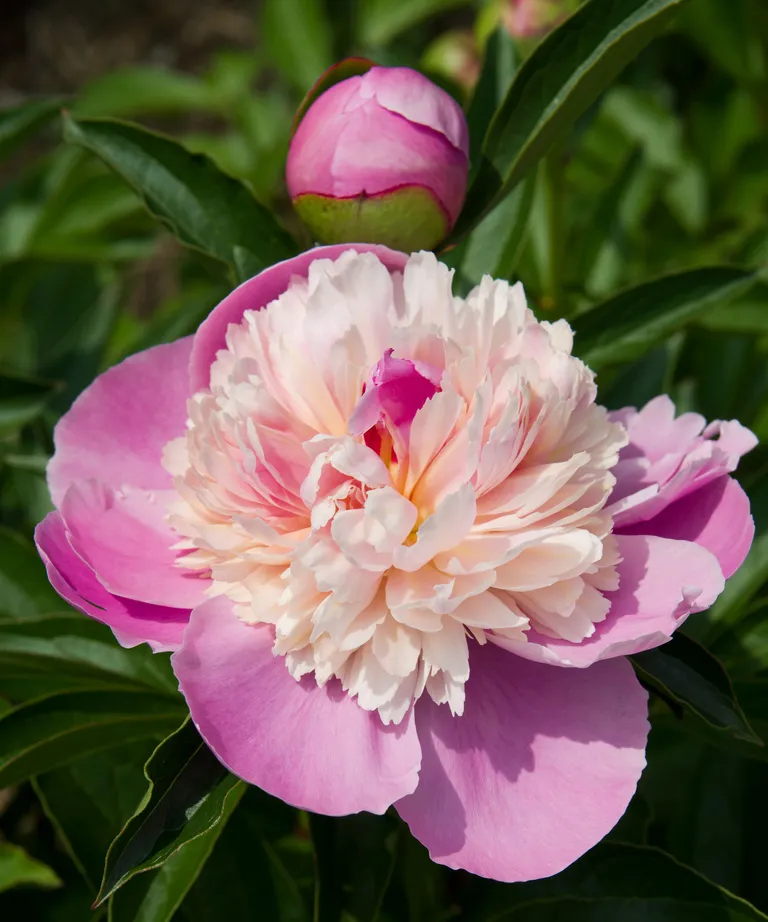
The Sorbet peony is simply one of the most stunning and unique cultivars you can grow. Found in a Korean orchard back in 1987 by Luc Klinkhamer, this beauty boasts fluffy layers of fragrant petals in delicate blush and cream tones.
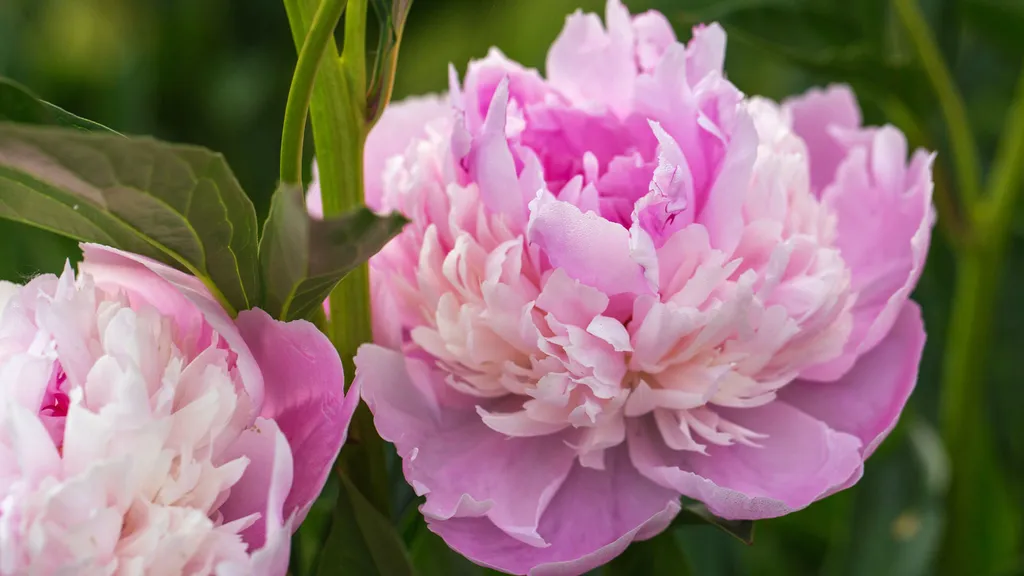
Among the most eye-catching peonies out there, the Sorbet variety produces large, long-lasting blooms in mid-spring. It’s a perfect pick for a cutting garden or ornamental border. Here’s how to care for this gorgeous, fluffy cultivar.
What is a Sorbet Peony?
Paeonia ‘Sorbet’ (P. lactiflora) is a midseason bloomer, flowering in late spring or early summer, depending on your climate and region. It thrives in USDA zones 4-8 and is surprisingly hardy. This herbaceous peony’s beautifully ruffled soft pink and cream blossoms appear from mid-spring through early fall. Sorbet peonies work wonderfully as long-lasting cut flowers and can even be dried.
Come fall, the plant pulls double duty with foliage that turns bronze with purple undertones. You can grow this pink peony as a standalone showpiece or pair it with other flowering perennials in a cottage garden.
Sorbet Peony Care
Clump-forming Sorbet peonies are long-lived perennials with breathtaking early-season flowers. With proper care, these fragrant beauties can thrive for generations. To ensure the softest petals and healthiest foliage, just follow these key growing tips:
- Lighting: These peonies do well in full sun (at least six hours) or partial shade. If summers get extremely hot, partial shade is best.
- Temperature & Humidity: Sorbet peonies prefer moderate temps between 60-70°F (16-21°C) with 40-70% humidity. Temperatures above 85°F (29°C) can harm buds and blooms. They also need a cold period below 40°F (4°C) to break dormancy and encourage flowering.
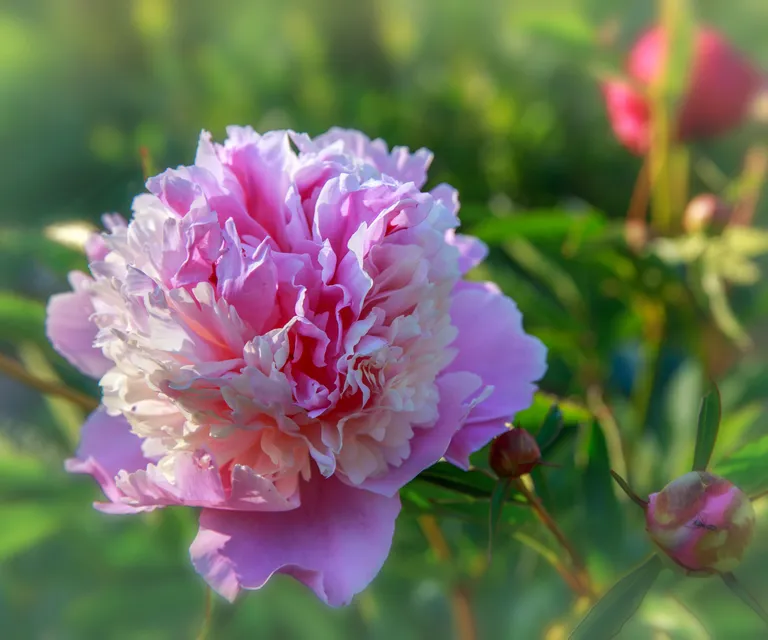
- Watering: Peonies like moist but well-draining soil. Keep roots consistently damp. Watering needs vary by weather and region, but generally, aim for about 2 inches (5 cm) per week.
- Fertilizing: Use a low-nitrogen, high-phosphorus fertilizer (like 5-10-5 or 10-10-10) to support blooms without excessive foliage. Organic options like bone meal, compost, or flower-specific fertilizers work well. Apply in early spring as new growth appears—sprinkle around the base and water thoroughly.
- Soil & Compost: Sorbet peonies prefer well-drained, average soil with a pH of 6.5-7. Keep the soil moist but not soggy.
How to Plant Peony Sorbet
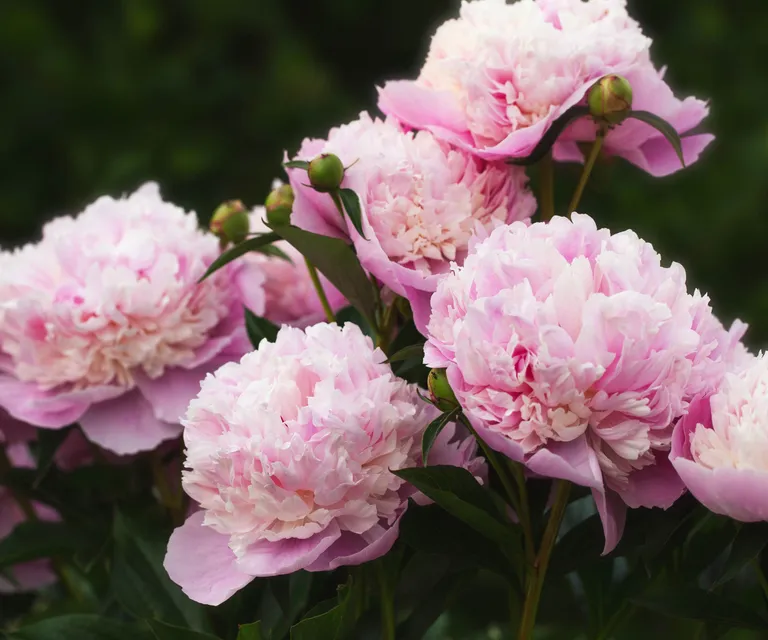
Plant Sorbet in spring as part of your peony care routine, or in fall, about six weeks before the ground freezes. Choose a spot with full sun to partial shade and well-draining, moist soil. Plant bulbs 2 inches (5 cm) deep, spaced 18-24 inches (45-60 cm) apart, ensuring the crown sits level with the soil surface. With proper planting and care, your peony can last decades.
Problems, Pests & Diseases
Sorbet peonies are tough—resistant to many diseases and unappetizing to rabbits, deer, and most insects due to their phenol content. They handle drought, heat, and cold well.
However, summer humidity can encourage fungal issues. Underwatering may cause early leaf drop, while overcrowding can lead to fungal diseases. Extreme heat can also scorch leaves. Watch for sudden changes in foliage or structure, and space plants well for good airflow.
Sorbet Peony Propagation
You can propagate these peonies through crown division, layering, or cuttings. Crown division (splitting the plant’s crown) is the most common method—wait until the peony is at least three years old before dividing.
For cuttings, take them in late summer or fall. You can also grow peonies from seed, but germination can take up to 60 days, and seedlings may not match the parent plant.
Pruning Sorbet Peonies
Prune in late fall, removing damaged or diseased branches with clean shears. To clear dead growth, cut back after a hard frost in fall or before new growth emerges in spring. Trim foliage to 3 inches (8 cm) from the ground, leaving the crown untouched.
Frequently Asked Questions
How hard are peonies to grow?
Peony blooms often need staking to prevent flopping. If the crown isn’t planted correctly, the peony won’t flower. Poor soil or inadequate fertilizer can also prevent blooming.
How many times will my peonies bloom?
Peonies flower once in spring or early summer, then not again until next season. But their spectacular, long-lasting blooms make the wait worthwhile.