
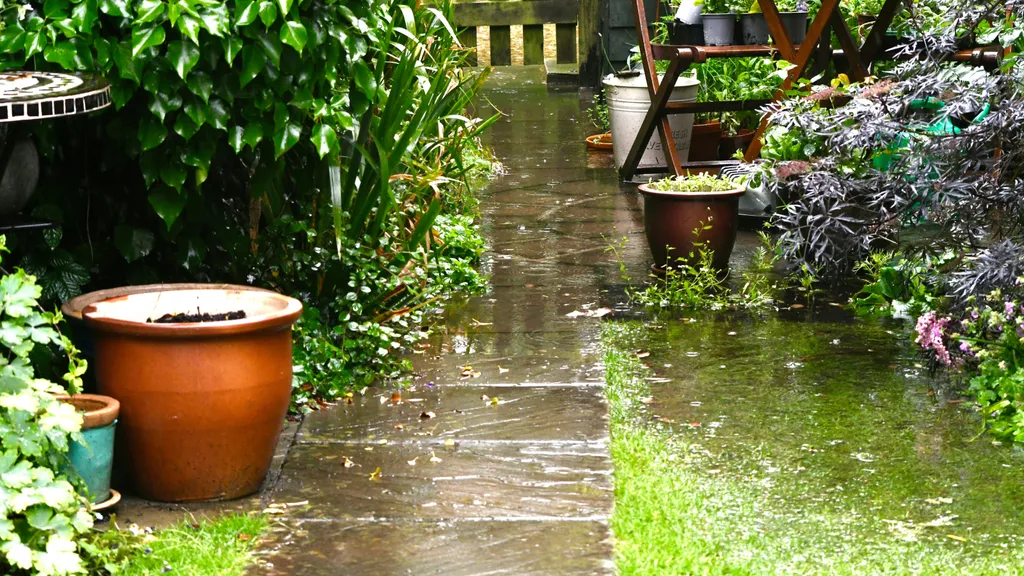
A flooded garden wreaks havoc on plants and soil—trust me, I’ve been there. Back in 2013, my gardens were underwater for weeks. The problem wasn’t just heavy rain (though that played a part) but also the freshly plowed field behind my property. What was once a grassy, perennial field turned into loose, churned-up soil that couldn’t absorb water like before.
That experience pushed me to explore more weather-resistant gardening methods. Since then, I’ve been writing and teaching about how to create climate-resilient gardens that can handle the extremes we often deal with. Let me share what I did to protect my garden from flooding and give you some tips to safeguard yours from heavy spring rains.
1. Use No-Till Techniques
My flooding disaster taught me how crucial it is to disturb the soil as little as possible. No-till (or no-dig) gardening helps maintain soil structure and improves its ability to handle heavy rain. It was a clear lesson—tilled soil is far more vulnerable to weather damage. Plus, tilling releases carbon into the air.
2. Cover the Ground
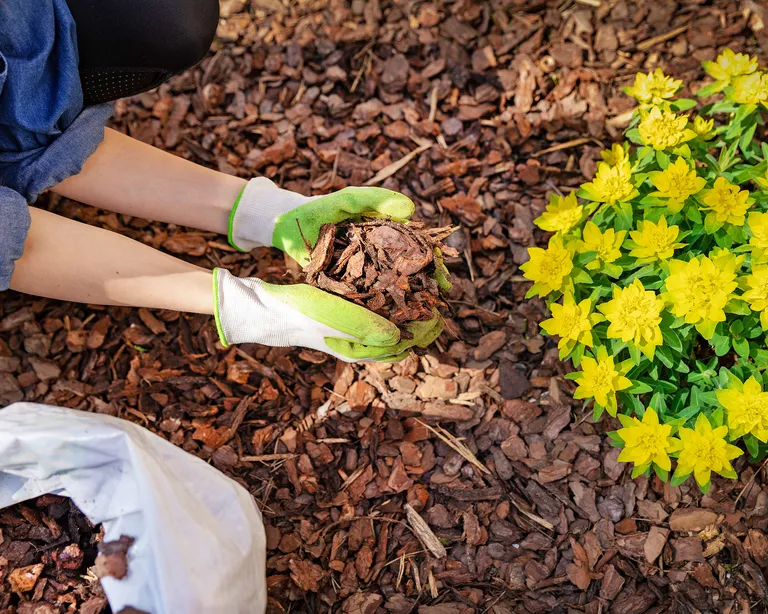
Whether it’s perennial ground covers, green manure, winter crops, or my favorite free mulch materials, covering the soil helps it handle extreme weather better. These methods absorb excess water and help the soil manage heavy spring rains.
3. Slow It, Spread It, Sink It
Water always finds a way, so follow the permaculture principle: “Slow it, spread it, sink it.” The goal is to help water move away from vulnerable areas. Here’s how:
- Create a Swale
I built a bioswale—a planted ditch that soaks up water and directs it away from the garden. It’s my first defense in flood-prone spots, filled with trees, soft fruit bushes, willow, and long grass to act as a natural floodplain. - Use Porous Pathways
Border collie dog lying next to permeable pathway
Permeable paths let water drain through instead of pooling. Gravel pathways with porous weed membrane or stone paths lined with gravel help absorb rain, keeping your garden accessible even after heavy downpours. - Consider Creating Rills
Rills are small channels that redirect runoff. You could even add a dipping pond to store excess water for dry spells.
4. Boost Rainwater Harvesting
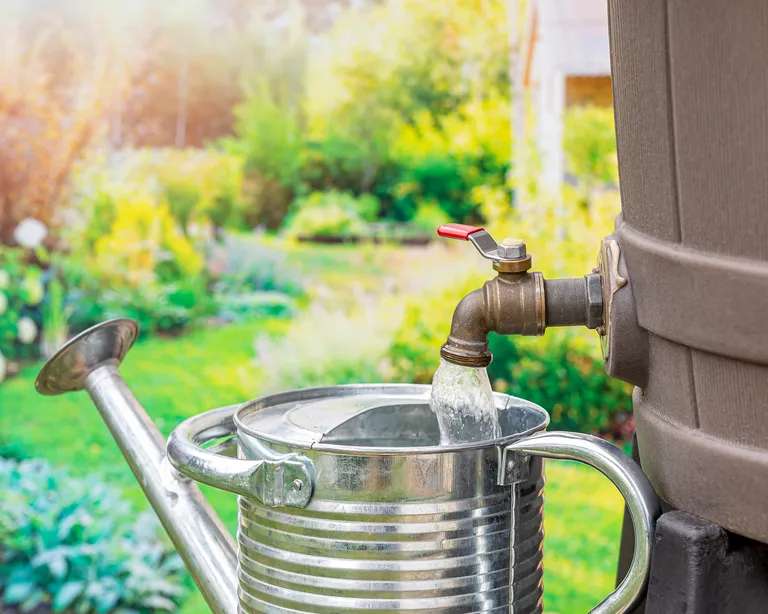
Add more rain collectors wherever possible—barrels, bins, or purpose-made harvesters. Every bit helps. Rainwater isn’t just great for reducing floods; it’s also better for plants than tap water. It’s free of chemicals and has a balanced pH, so it won’t mess with your soil.
5. Work Within Your Community
Team up with neighbors to prevent water buildup. Paved areas worsen flooding since water can’t soak in. Figure out what’s causing floods in your area and brainstorm solutions together.
In my case, I talked to the farmer who’d plowed the field, showed him the damage, and politely asked if he’d keep it as grazing land instead. A basket of summer veggies as thanks didn’t hurt. It worked—my garden hasn’t flooded since.
Frequently Asked Questions
What happens when a garden floods?
Soil turns anaerobic underwater, killing plants and soil life. Flooded veggies may absorb polluted runoff, so compost them instead of eating them. Avoid walking on soaked soil—it compacts easily. Let it dry first.
My area’s at flood risk—what can I do quickly?
- Move gardening supplies and tools to higher ground.
- Harvest root crops and relocate electrical items.
- Mulch vulnerable beds with whatever you have.
- Ask neighbors to set out containers to catch excess water.
- Dig a quick channel to divert water away—just make sure it doesn’t harm others.