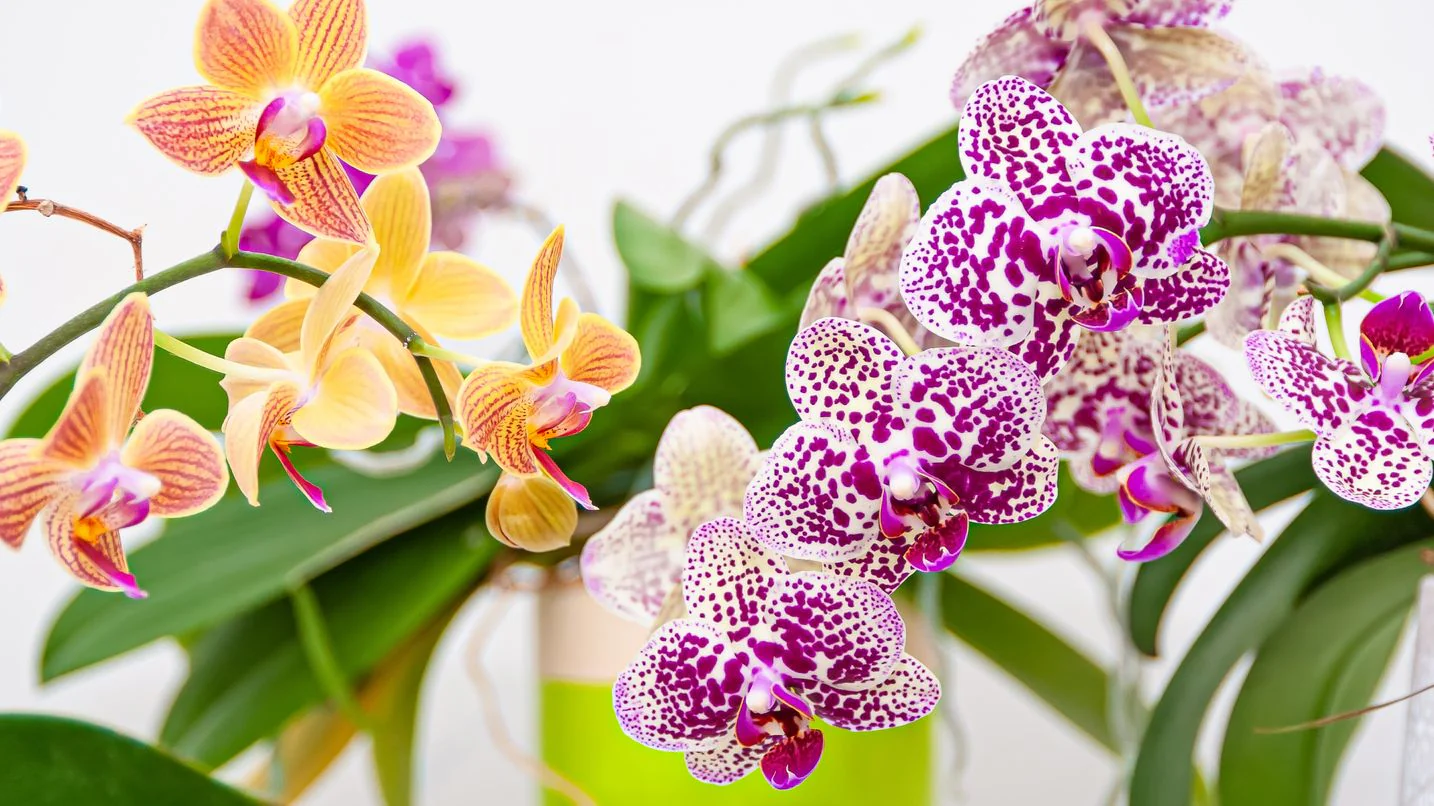
Orchids are a captivating and diverse group of plants that can be found in almost every corner of the globe. With over 28,000 recognized species, orchids have evolved in a remarkable variety of shapes, colors, and sizes. These plants are known for their strikingly beautiful flowers, which have made them incredibly popular in both professional and home gardening. However, orchids are not just aesthetically appealing; they also have unique care requirements that differ from other common houseplants. Many orchids are delicate, and some are even endangered in the wild, making them highly sought-after by collectors. As a result, understanding their care needs is crucial if you’re planning to grow them successfully at home.
Despite the overwhelming variety of orchids, when you visit your local garden center, you’ll often find only a few common species, such as the Phalaenopsis, Dendrobium, or Oncidium. These are the most popular types of orchids available for general purchase. However, there is a treasure trove of rarer and more exotic orchids waiting to be discovered at specialist nurseries or online plant shops. If you’re an orchid enthusiast or looking to start growing orchids at home, exploring these less common varieties can be a rewarding experience.
Understanding Orchid Care
Before diving into the world of rare orchids, it’s important to understand that orchids, in general, can be quite particular about their growing conditions. While some species are more forgiving than others, most orchids require careful attention to light, temperature, humidity, and watering. Orchids are not typically low-maintenance plants, and they tend to thrive under specific conditions.
Researching the needs of a specific orchid before purchasing is essential to avoid frustration and failure. If you’re a first-time grower, it’s best to start with a variety that is forgiving and beginner-friendly. Trying to grow an advanced species without the proper knowledge can lead to disappointing results.
Some of the rarest and most coveted orchids, like the ghost orchid, are highly challenging to grow, even for seasoned experts. These species require specific conditions that are hard to replicate in a home setting. Not to mention, they can come with a hefty price tag. Fortunately, there are several beautiful orchids that look much more high-maintenance than they actually are, and they make excellent choices for those just starting out in the world of orchid cultivation.
Here are eight rare orchids you can consider growing as houseplants, each with its own unique beauty and care requirements.
1. Tampa Butterfly Orchid (Encyclia tampensis)

Native to Florida, the Tampa Butterfly Orchid is known for its stunning and unusual coloration. This species features petals in a mix of green and pink, creating a delicate and eye-catching appearance. As a protected species in its natural habitat, it’s rare to see this orchid growing wild. However, it can be cultivated successfully in USDA hardiness zones 9 to 11, where it can even be mounted on trees outdoors. In cooler zones, it is an excellent choice for a houseplant.
For optimal growth, provide the Tampa Butterfly Orchid with bright, indirect light. It thrives in a humidity range of 50% and enjoys temperatures between 65°F and 85°F (18°C to 29°C) during the day, with cooler nighttime temperatures between 50°F and 68°F (10°C to 20°C). This orchid is relatively easy to grow indoors, provided the environment remains humid and well-lit.
2. Paphiopedilum Orchid
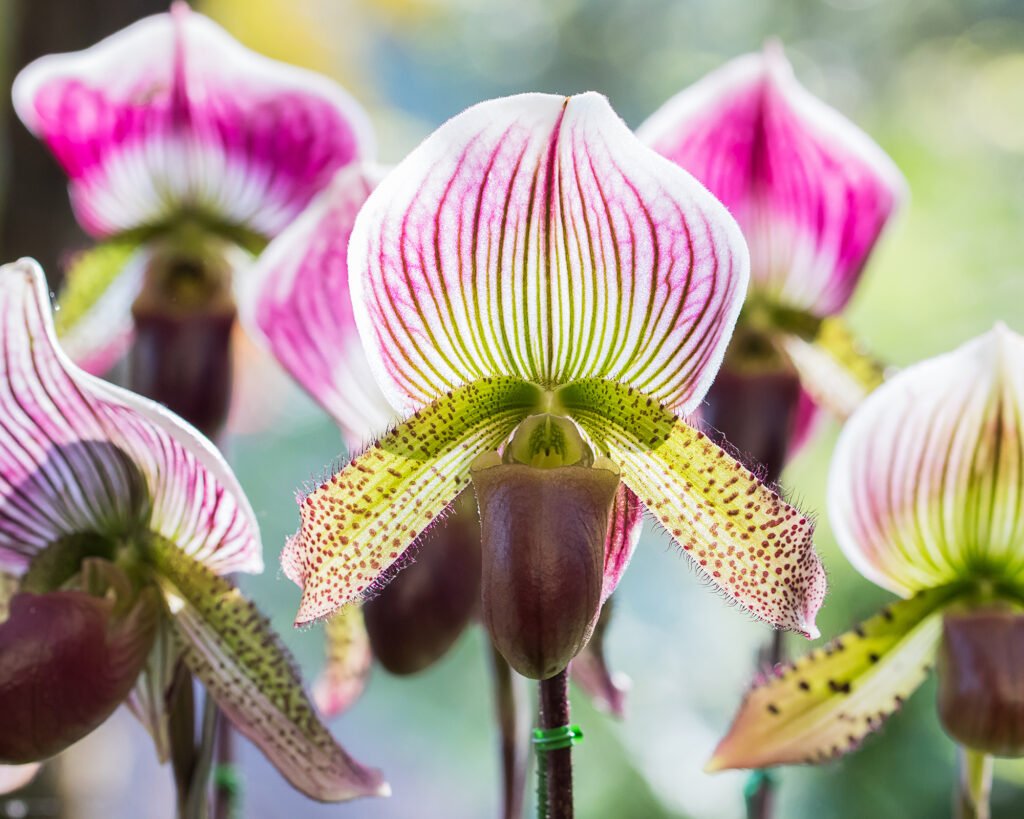
The Paphiopedilum, or “Lady Slipper” orchid, is a popular choice for beginners because it is one of the easiest orchids to care for. This terrestrial orchid is different from most orchids in that it grows in the soil in its natural habitat, as opposed to attaching itself to trees like epiphytic orchids. Though there are rarer species within the Paphiopedilum genus, this orchid is still a bit of a treasure for any gardener.
Paphiopedilums prefer low to medium light and moderate humidity levels (40-50%). They thrive in daytime temperatures between 70°F and 85°F (21°C to 29°C) and nighttime temperatures of 55°F to 70°F (13°C to 21°C). This makes them a great option for those who live in areas with more moderate temperatures. Paphiopedilum orchids are hardy, low-maintenance, and beautiful, making them ideal for beginners.
3. Monkey Orchid (Dracula simia)
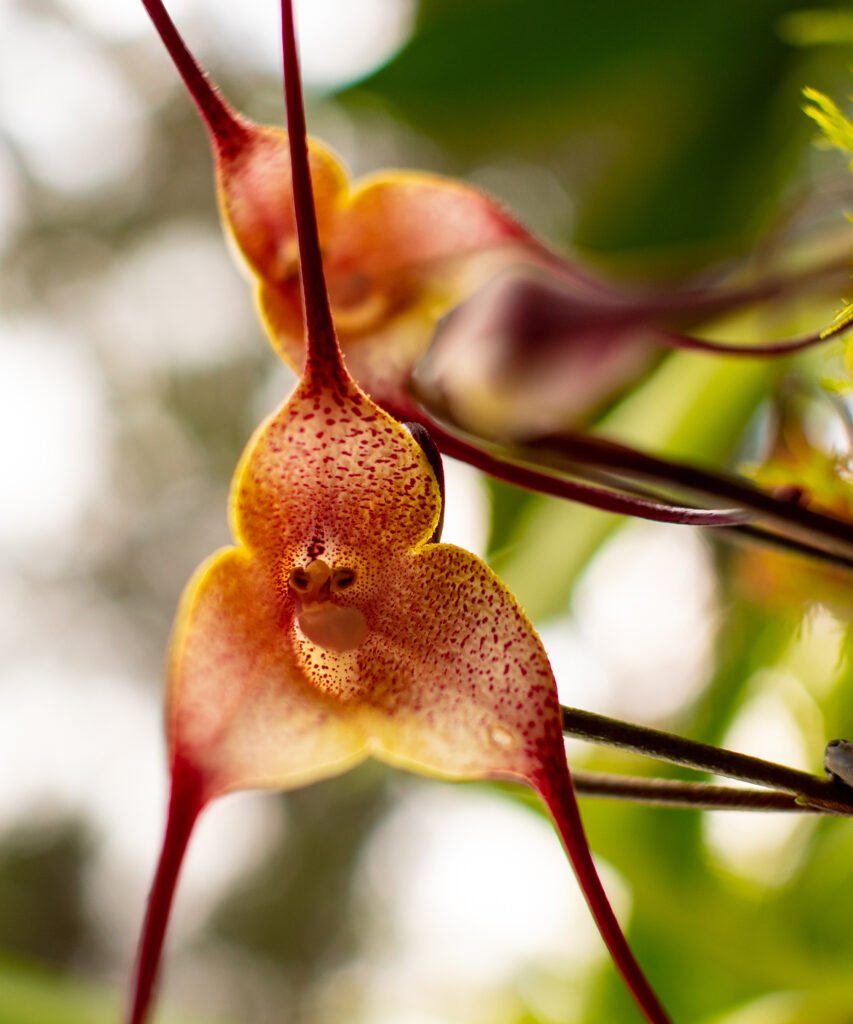
One of the most fascinating orchids is the Monkey Orchid, also known as Dracula simia, which is famous for its monkey-shaped flowers. The flowers bear a striking resemblance to capuchin monkeys, and this unusual feature makes it a favorite among orchid collectors. The Monkey Orchid belongs to the Dracula genus, which is known for species with primate-like flowers.
Although it is not the easiest orchid to grow, the Monkey Orchid is not overly difficult either, making it a suitable challenge for those who want to try something different. It requires partial to full shade and temperatures between 60°F and 85°F (16°C to 29°C). For nighttime care, it thrives best in cooler temperatures and needs high humidity—at least 80%. To maintain this, you may need a humidifier or mist the plant regularly. Alternatively, growing the Monkey Orchid in a terrarium can create the perfect controlled humid environment.
4. Calanthe Orchid
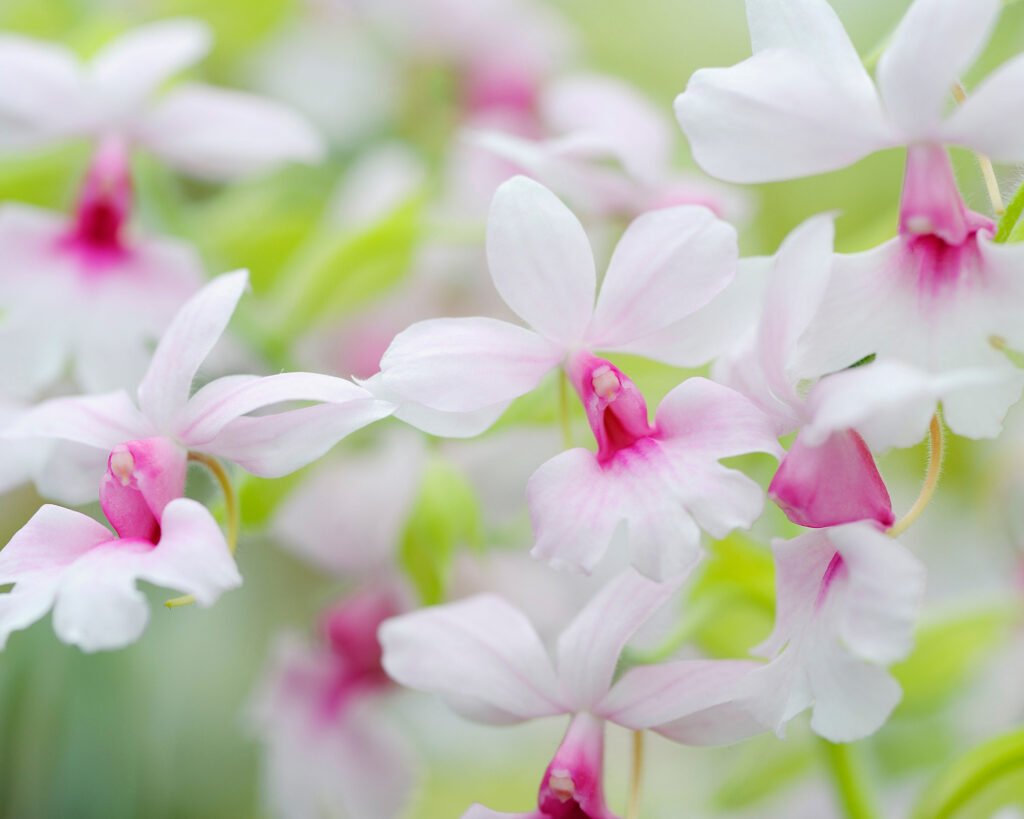
Also known as Christmas Orchids, Calanthe orchids are an excellent choice for those looking for a variety that’s easy to care for yet still impressive. Native to Southeast Asia, these orchids are not commonly seen in the West, but they are valued for their beautiful flowers and generally forgiving nature. Calanthes are perfect for beginners who want to grow orchids outdoors or indoors.
Calanthe orchids can tolerate a wide range of temperatures, from as low as 14°F (-10°C) to as high as 84°F (29°C). However, they prefer a minimum of 50°F (10°C) and thrive in moderate humidity levels between 50% and 70%. They can be grown in USDA hardiness zones 7-9, making them a versatile option for various climates. Whether you decide to grow them in the garden or indoors, Calanthe orchids are relatively easygoing and rewarding to grow.
5. Tulip Orchid (Anguloa uniflora)
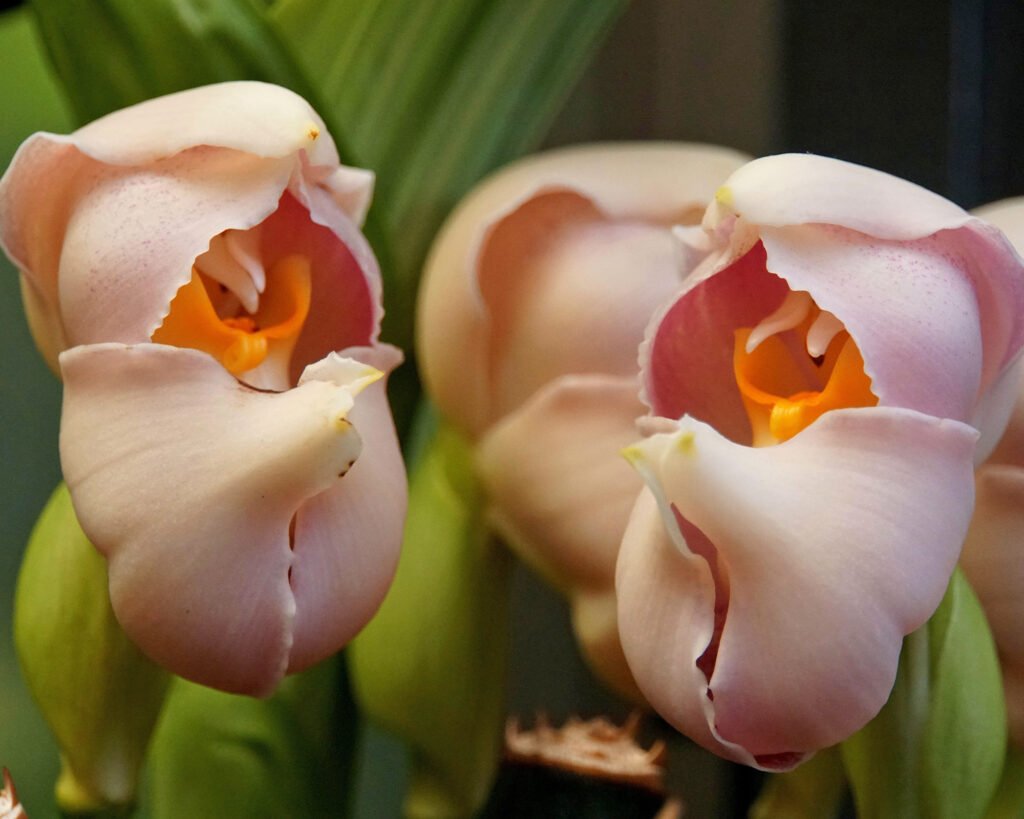
Known for its distinctive flower shape, the Tulip Orchid (Anguloa uniflora) is often called the “swaddled baby orchid” due to the appearance of its blooms, which resemble a baby swaddled in a blanket. The flowers are incredibly unique and make this orchid a favorite among collectors. However, the Tulip Orchid is not the easiest variety to grow.
Tulip orchids require a humid environment and are best suited to greenhouses with high humidity levels. For those looking to grow it indoors, the Tulip Orchid thrives at daytime temperatures of 70°F to 80°F (21°C to 27°C) and nighttime temperatures between 55°F and 65°F (13°C to 18°C). The humidity should be kept between 60-70%, though it can tolerate lower levels. This orchid also prefers dappled sunlight or partial shade.
6. Zygopetalum Orchid
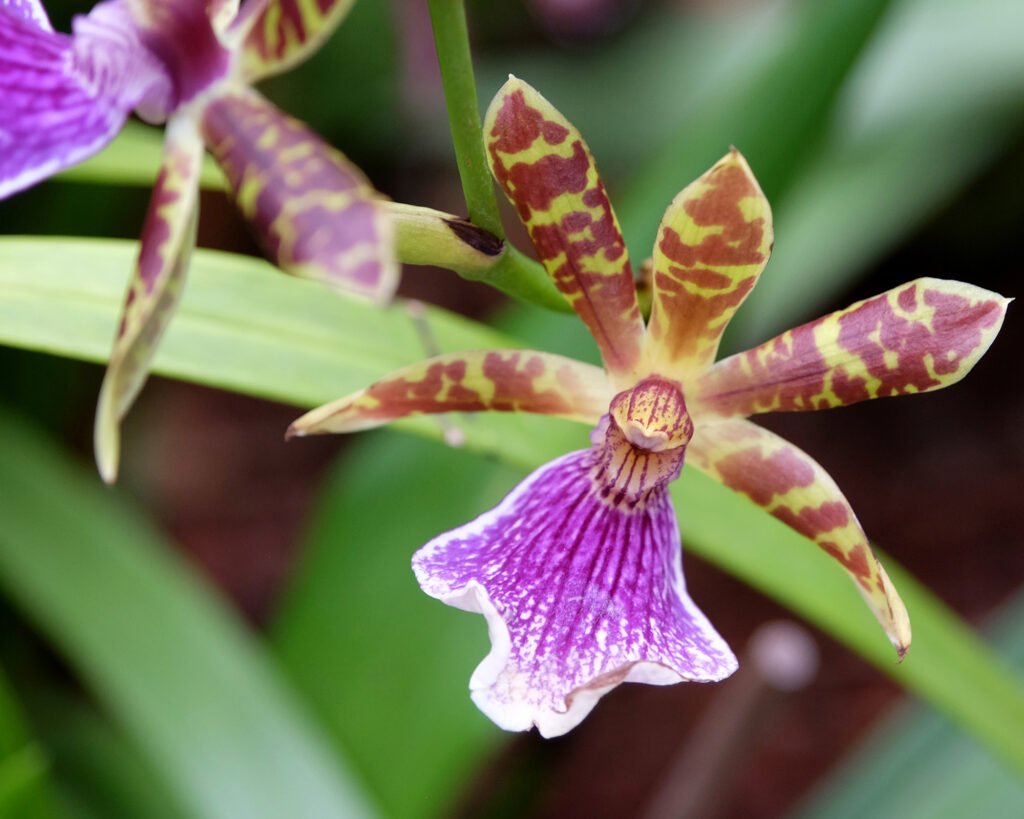
The Zygopetalum orchid is a great choice for anyone who loves fragrance. This orchid is known for its stunningly fragrant flowers that fill the room with a delightful aroma. While it’s not commonly found in garden centers, Zygopetalum orchids are easy to care for and can be found through specialist growers.
Zygopetalum orchids do well in bright, indirect light and require moderate humidity (50-70%). They thrive at daytime temperatures between 70°F and 80°F (21°C to 27°C) and nighttime temperatures of 50°F to 60°F (10°C to 16°C). This orchid is a good option for beginners who want to enjoy both the beauty and scent of an exotic orchid.
7. Clamshell Orchid (Prosthechea cochleata)
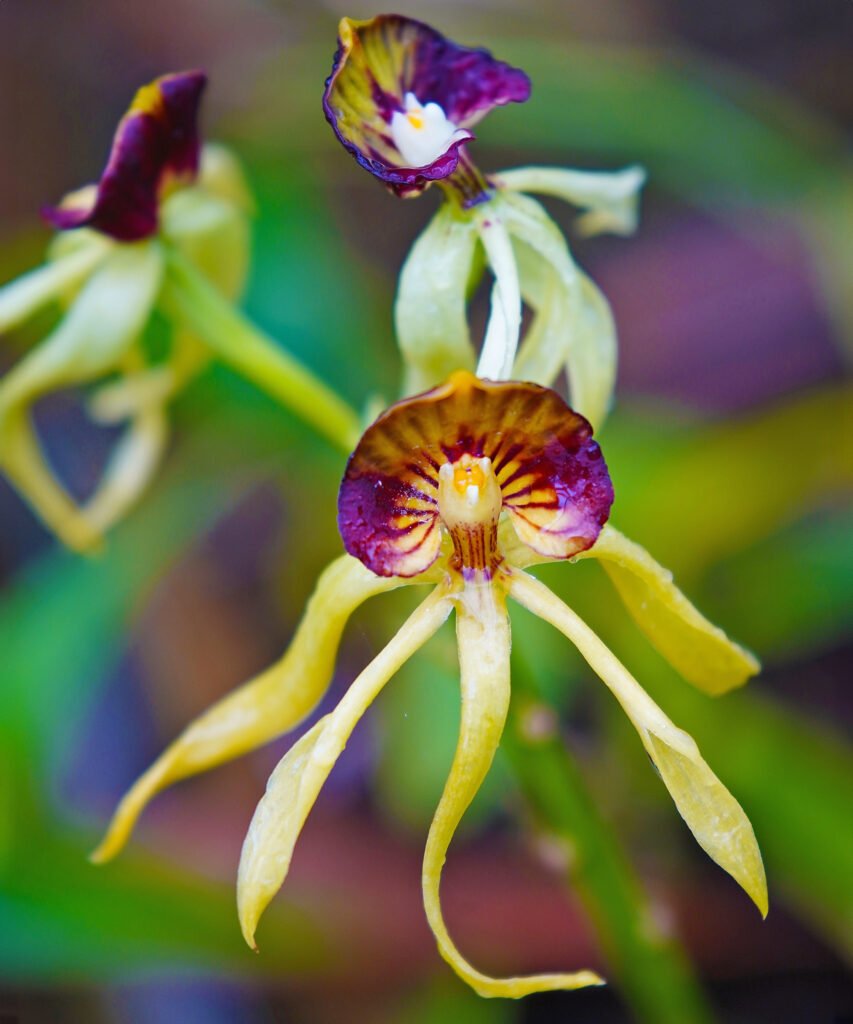
The Clamshell Orchid (Prosthechea cochleata) is another unusual variety, sought after for its exotic, long-lasting blooms that resemble a clam shell. With tentacle-like petals, it’s a fascinating species that can brighten up any home. Though rare in the wild, this orchid can thrive indoors with the right care.
Clamshell orchids need bright, indirect light and moderate temperatures between 70°F and 80°F (21°C to 27°C) during the day and 50°F to 65°F (10°C to 18°C) at night. They also require high humidity—between 50% and 80%—so using a humidifier or misting the plant regularly will help maintain the right conditions.
8. Odontoglossum Orchid
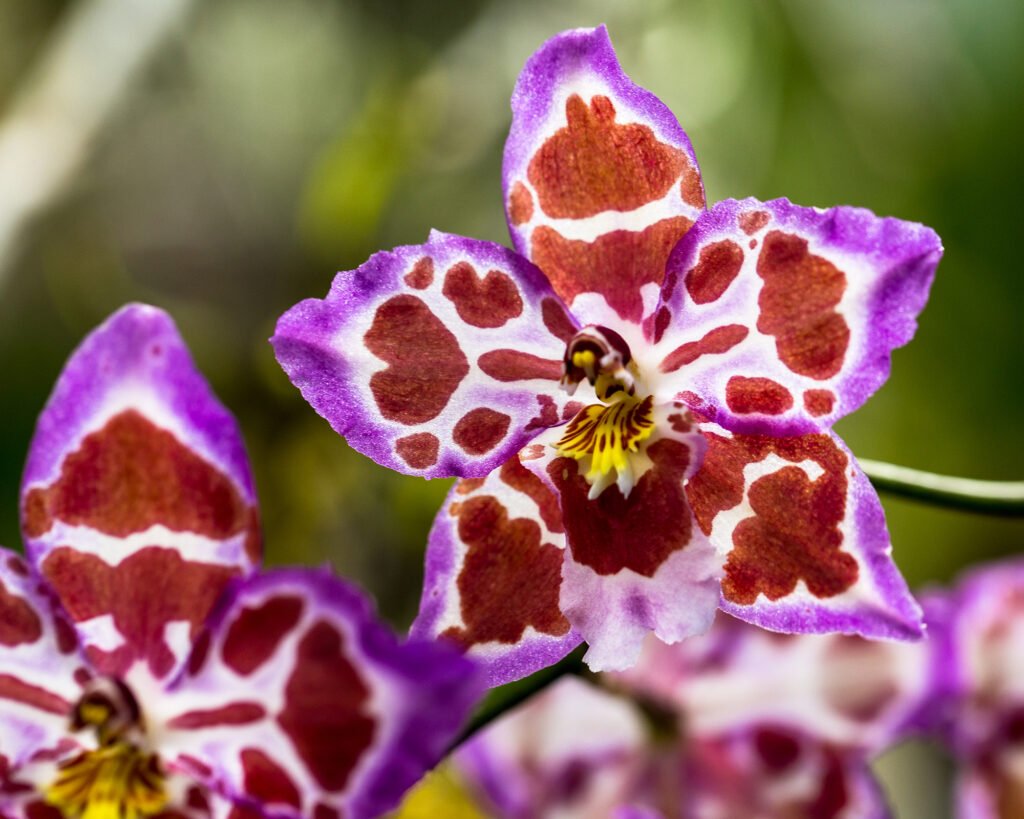
Odontoglossum orchids are known for their beautiful and varied flowers, making them a favorite among serious orchid collectors. Native to the Andes and other mountainous regions, these orchids prefer cooler temperatures compared to many other varieties. They are best suited for growers living in cooler climates or those able to provide a cooler indoor environment.
Odontoglossums thrive in temperatures of 65°F to 77°F (18°C to 25°C) during the day and 50°F to 60°F (10°C to 16°C) at night. They also prefer bright, filtered light and high humidity, though they can tolerate lower humidity levels (around 40%). Though more challenging to grow than other varieties, Odontoglossum orchids reward dedicated growers with stunning and varied blooms.
Conclusion
Growing rare orchids at home can be a rewarding and fascinating experience, but it’s important to understand each species’ unique care requirements. Whether you’re a beginner or an experienced grower, there are many orchids that can thrive in indoor environments. From the beginner-friendly Paphiopedilum to the more challenging Monkey Orchid, there’s a variety to suit every grower’s skill level and personal preferences. By carefully researching the needs of each orchid and providing the right care, you can enjoy the beauty of these rare and exotic plants right in your own home.