8 Best Vegetables to Plant in July – Don’t Miss Out on a Delicious Fall Harvest
Why July Is a Smart Time to Plant Vegetables
July might seem like an unusual time to start planting vegetables, especially as summer reaches its peak. But seasoned gardeners know that mid-to-late summer is a valuable planting window. The trick is choosing crops that mature quickly, tolerate cooling temperatures, and thrive in the rich, warm soil of midsummer.
The benefits of July planting are plenty. Soil temperatures are ideal for seed germination, daylight hours remain long for vigorous early growth, and cooler nights approaching fall make conditions excellent for crops like leafy greens and root vegetables. Even if you missed spring planting, you can still grow a bountiful, nutritious fall garden starting in July.
🌻 Why July Planting Is Smart (and Often Overlooked)
While many gardeners hang up their gloves after the early summer planting rush, savvy growers know July is prime time to start a second round of crops for a tasty fall harvest.
Whether you missed spring planting or just want to squeeze more from your garden space, July offers the perfect window for fast-maturing, cool-season vegetables that thrive in the changing conditions of late summer.
Here’s what makes July planting strategic:
| Reason to Plant in July | Benefit |
|---|---|
| Longer daylight hours & warm soil | Fast seed germination and quick early growth |
| Cooler nights begin in late August | Ideal for leafy greens and root crops |
| Avoids peak pest season for some crops | Late planting can reduce pressure from early-summer bugs |
| Fresh harvest after summer crops fade | Keeps your garden productive through fall and even early winter |
Tip: Look for varieties with a short “days to maturity” (under 75 days) for best success in mid-summer planting.
Best Vegetables to Plant in July for a Fall Harvest
Each crop has a different “days to maturity” range. Always count backward from your area’s first expected fall frost to make sure your plants will mature in time. Many vegetables on this list reach maturity in 30 to 75 days, making them ideal for mid-summer planting.
Choose the Right Varieties
Opt for fast-maturing, cold-tolerant, and disease-resistant varieties when planting in July. You’ll get more consistent results and be better prepared for early cool weather or unpredictable rainfall.
1. 🥬 Kale
Kale is a must-have for any fall garden. It not only tolerates cold weather—it thrives in it. In fact, kale’s flavor improves after a light frost, becoming sweeter and more tender. When planted in July, kale grows fast in warm soil and produces a reliable supply of nutrient-packed leaves through fall and early winter.
Sow seeds directly into the garden or start indoors for transplanting. Harvest outer leaves continuously for a steady supply of fresh greens. Varieties like ‘Lacinato’, ‘Red Russian’, and ‘Winterbor’ are particularly hardy and flavorful.
| Quick Info | Details |
|---|---|
| Days to maturity | 55–75 days |
| Type | Leafy green, brassica family |
| Ideal use | Salads, stir-fries, soups |
| Bonus | Frost sweetens the flavor |
Tips:
- Start seeds indoors or direct sow.
- Harvest outer leaves for a continual supply.
2. 🥕 Carrots
Carrots planted in July will mature just in time for fall harvesting. Cool temperatures in September and October bring out the natural sweetness of carrots, making them an excellent late-season root crop.
Direct sow seeds in deeply cultivated, rock-free soil. Water consistently and thin seedlings early for best root development. Choose short or medium-length varieties like ‘Nelson’, ‘Little Finger’, or ‘Danvers’ for quicker results.
Leave mature carrots in the ground during mild frosts and harvest as needed—this keeps them crisp and fresh well into fall.
| Quick Info | Details |
|---|---|
| Days to maturity | 60–80 days (choose short-season types) |
| Type | Root crop |
| Ideal use | Raw snacking, roasting, soups |
| Bonus | Can be overwintered in-ground in mild zones |
Tips:
- Keep soil moist during germination.
- Thin seedlings for straight, uniform roots.
3. 🥬 Spinach
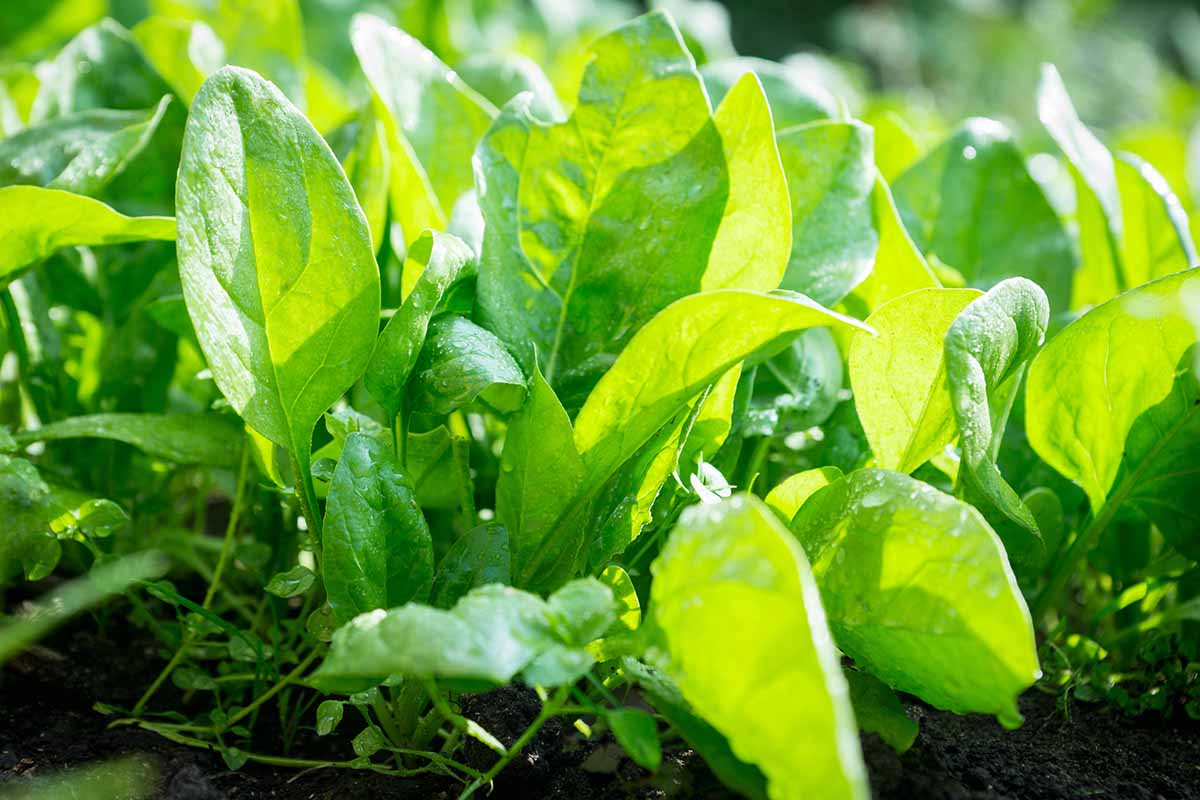
Spinach is one of the fastest-growing leafy greens and ideal for planting in July. It thrives in cooler temperatures and can be harvested within 30 to 50 days, depending on the variety.
While spinach can struggle in peak summer heat, planting it in late July or early August allows it to mature as temperatures begin to drop. Start seeds in partial shade or use shade cloth to prevent bolting. Varieties like ‘Bloomsdale’, ‘Tyee’, and ‘Space’ are excellent for fall crops.
Spinach can also be sown in succession every two weeks through August for an extended harvest season.
Tips:
- Provide some shade to reduce summer bolting.
- Sow every 10–14 days for a continuous harvest.
4. 🥦 Broccoli
Although many gardeners grow broccoli in spring, fall-grown broccoli often performs better due to fewer pests and ideal cool weather for head formation. If you start seeds in early July and transplant by August, you’ll be rewarded with tight, delicious heads in October.
Broccoli requires rich, fertile soil and consistent moisture. Be sure to water deeply and regularly to encourage proper head development. After harvesting the central head, many broccoli varieties produce side shoots that can be harvested for weeks.
For fall crops, choose fast-maturing types like ‘Waltham 29’ or ‘Belstar’.
Tips:
- Start seeds indoors now for transplanting in 3–4 weeks.
- Water consistently to prevent stress and bolting.
5. 🥗 Lettuce
Lettuce is a garden favorite that grows quickly and performs best when temperatures start to cool. Planting lettuce in July allows it to germinate quickly in warm soil and mature just in time for the crisp air of fall.
Sow leaf lettuces like ‘Red Sails’, ‘Buttercrunch’, or ‘Black Seeded Simpson’ directly into your garden beds. For continued harvest, plant every 10 to 14 days through mid-August. Use shade cloth or plant in a partially shaded location to reduce heat stress during the hottest days.
Lettuce matures in as little as 30 to 50 days, making it one of the most rewarding fall crops.
Tips:
- Choose heat-tolerant varieties like ‘Red Sails’ or ‘Romaine’.
- Use a shade cloth if high heat continues into August.
6. 🧅 Green Onions (Scallions)
Also known as scallions, green onions are a great choice for July planting. They grow quickly, take up very little space, and add flavor to a wide variety of dishes.
Start green onions from seed or sets, and thin to give each plant room to develop. They prefer consistent watering but are generally low-maintenance and very forgiving. Many varieties, like ‘White Lisbon’ or ‘Evergreen Hardy White’, can survive light frosts and continue to grow into the fall.
Green onions are typically ready for harvest in 50 to 60 days, but you can begin picking them earlier for smaller, milder stalks.
Tips:
- Sow seeds thickly in well-drained soil.
- Harvest young or let them mature for larger bulbs.
7. 🧄 Turnips

Turnips are among the fastest-maturing root vegetables and offer two harvests in one: flavorful roots and nutritious greens. Both parts of the plant are cold-tolerant, and when planted in July, turnips grow quickly enough to yield by mid to late September.
Direct sow seeds in rows and thin seedlings to avoid overcrowding. Harvest when the roots are about the size of a golf ball for the best texture and taste.
Try quick-maturing varieties like ‘Hakurei’ or ‘Purple Top White Globe’ for fall planting. These can mature in as little as 40 to 60 days.
Tips:
- Harvest young for tender roots.
- Don’t waste the nutrient-rich greens!
8. 🧄 Beets
Beets are a favorite for fall gardens because they’re easy to grow and thrive in cooler weather. You can eat both the roots and the tops, making them an excellent dual-purpose crop.
Plant beets directly in well-prepared soil and keep the soil consistently moist during germination. Thin seedlings to ensure proper root development. Fall-grown beets often have better color, flavor, and texture than spring crops.
Look for fast-growing varieties like ‘Detroit Dark Red’, ‘Chioggia’, or ‘Golden Beet’. Most mature in 50 to 65 days.
Tips:
- Keep soil moist during germination.
- Thin seedlings early to prevent crowding.
📋 July Planting Calendar by Zone
| USDA Zone | What You Can Still Plant in July |
|---|---|
| Zones 3–5 | Kale, lettuce, spinach, beets, carrots (early July only) |
| Zones 6–7 | Broccoli (transplants), kale, carrots, lettuce, turnips, spinach |
| Zones 8–10 | All crops listed above + beans, cucumbers, Swiss chard (early July) |
Water Regularly and Deeply
July heat can evaporate water quickly, so be sure to water deeply and often. This helps seeds germinate and keeps root systems healthy.
Mulch to Retain Moisture
Mulching around your plants reduces evaporation, keeps roots cool, and suppresses weeds. Use organic mulch like straw, leaves, or compost.
Use Shade Covers for Tender Crops
Some seedlings may suffer in peak summer sun. Use shade cloth or temporary covers to protect spinach, lettuce, or young transplants from heat.
Amend the Soil
Before planting, add compost or a balanced organic fertilizer to your garden beds. This replenishes nutrients lost during early-season harvests and supports new growth.
Practice Succession Planting
For crops like lettuce, spinach, and turnips, sow new seeds every two weeks for a continuous harvest through the fall.
🧠 Advanced Tips for July Planting Success

When to Stop Planting in Summer
Your planting deadline depends on your region’s first expected fall frost. To determine your last safe planting date, look at your crop’s days to maturity and count backward from the average frost date.
For example:
- If your first frost is around October 20 and your crop matures in 60 days, aim to plant by August 20.
Late July and early August are your last chances to get fall crops established in most regions, especially for slower-growing vegetables like broccoli or beets.
Table of Contents
❓ Frequently Asked Questions (FAQs)
Q1: Is it too late to plant vegetables in July?
Not at all! Many fast-growing, cool-season crops thrive when planted in July and harvested in fall. Just choose the right varieties and watch the frost date.
Q2: Can I still grow root vegetables in July?
Yes. Carrots, beets, turnips, and radishes do well with a July start. Just keep soil moist during hot days to support germination.
Q3: Should I start seeds indoors or direct sow in July?
It depends. For crops like broccoli or kale, start indoors to avoid heat stress. For carrots, spinach, and lettuce, direct sow into well-prepared soil.
Q4: Will these vegetables survive frost?
Most listed crops (kale, spinach, beets, turnips) tolerate light frosts and even improve in flavor. Harvest timing is crucial for frost-tender crops like lettuce.
Q5: How can I extend my harvest past October?
Use cold frames, row covers, or low tunnels to protect plants and extend the growing season well into late fall or even winter in mild zones.
Q6: Can I grow these vegetables in containers?
Absolutely! Kale, lettuce, spinach, and green onions thrive in containers. Use deep pots for carrots or beets and ensure good drainage.
🌟 Final Thoughts: Don’t Waste July—Grow Your Fall Feast!
Planting vegetables in July is your second chance at a thriving garden—and it can be just as rewarding as spring planting. With the right timing, crop selection, and care, your late-season garden can deliver:
- Fresh greens after the summer slump
- Sweet, crisp root vegetables
- Cool-weather flavors you just can’t get in July tomatoes
So grab those seeds, prep your soil, and get planting. Fall is coming—and with it, a garden full of delicious possibilities.