4 Worst Tomato Pruning Mistakes & How To Avoid Them for a Huge Harvest This Summer
Pruning tomatoes is one of the most important yet misunderstood tasks in the summer garden. Done right, pruning helps increase airflow, reduce disease, and direct more energy into fruit production. But when done wrong, it can seriously stunt your plant’s growth and cut your yields short.
In this in-depth guide, we’ll cover the 4 biggest tomato pruning mistakes gardeners make—and how you can avoid them to grow stronger, healthier, and more productive plants all summer long.

🌱 Why Pruning Tomato Plants Is Important
Before diving into the mistakes, it helps to understand why pruning matters at all. Not all tomato plants require the same type of pruning, but in general:
- Pruning removes unnecessary growth (like suckers or overcrowded branches).
- It improves airflow to reduce fungal diseases.
- It prevents energy waste on non-fruiting parts.
- It can boost fruit size, ripening speed, and flavor.
When done thoughtfully, pruning makes a huge difference in your harvest. But without proper technique and timing, even well-intentioned pruning can do more harm than good.
| Benefit of Pruning | Why It Matters |
|---|---|
| Improved airflow | Reduces the risk of fungal diseases like early blight and powdery mildew |
| Better sunlight penetration | Helps fruit ripen faster and more evenly |
| Directs energy to fruit | Less energy wasted on foliage = more, bigger tomatoes |
| Prevents plant overcrowding | Keeps vines manageable and easier to train/support |
| Reduces pest habitat | Open, airy plants are less inviting to pests like aphids and whiteflies |
🍅 The 2 Types of Tomato Plants: Determinate vs. Indeterminate
Understanding the type of tomato you’re growing is key to knowing how and when to prune:
✅ Determinate Tomatoes
- Also called bush tomatoes.
- Grow to a fixed size and set all their fruit over a short period.
- Minimal to no pruning needed, except for dead or diseased leaves.
- Over-pruning can reduce yields significantly.
✅ Indeterminate Tomatoes
- Also called vining tomatoes.
- Keep growing and producing fruit until frost.
- Benefit greatly from strategic pruning to prevent chaos and boost airflow.
🚫 Mistake #1: Pruning Too Much at Once
❗ Why It’s a Problem:
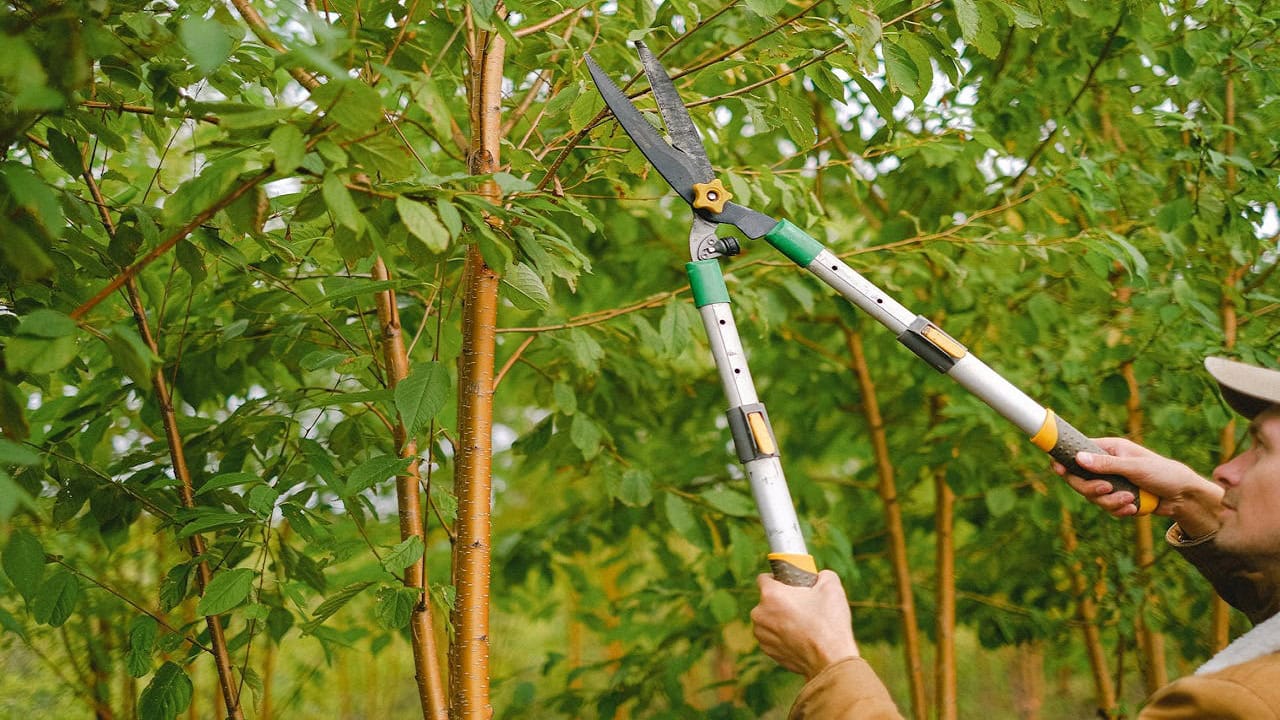
One of the most common beginner mistakes is being too aggressive when pruning. Stripping too many leaves or branches at once can:
- Shock the plant
- Leave it vulnerable to sunscald
- Reduce photosynthesis
- Hinder fruit development
✅ How to Avoid It:
- Never remove more than 20–30% of the plant at once.
- Spread pruning out over multiple days.
- Focus first on the lower leaves touching the soil or those that are yellowing or diseased.
- Allow the plant to recover before the next round of cuts.
🔧 Expert Tip:
Use clean, sharp pruners or garden scissors to make precise cuts. Disinfect your tools between plants to avoid spreading disease
| Tomato Type | Growth Habit | Pruning Needs | Examples |
|---|---|---|---|
| Determinate (Bush) | Grows to fixed size, sets fruit all at once | Minimal—only remove damaged leaves | ‘Roma’, ‘Celebrity’, ‘Bush Early Girl’ |
| Indeterminate (Vining) | Grows and fruits continuously until frost | High—remove suckers, thin for airflow | ‘Beefsteak’, ‘Brandywine’, ‘Sungold’ |
🚫 Mistake #2: Removing Too Many Leaves
❗ Why It’s a Problem:
Leaves are the powerhouse of the plant, performing photosynthesis to feed growth and fruit development. Over-pruning leaves can:
- Starve the plant of energy
- Slow fruit ripening
- Cause sunscald (where fruits get burned from overexposure)
| Common Misconception | Truth |
|---|---|
| “More airflow is always better—strip the plant!” | Balance is key—keep leaves that shade fruit & feed growth |
| “Leafy plants are unproductive” | Leaves feed fruit—don’t over-thin them |
✅ How to Avoid It:
- Only remove leaves that are damaged, diseased, or heavily shaded.
- Keep most of the healthy upper foliage intact.
- Maintain a good leaf-to-fruit balance—you want leaves shading fruit from direct sunlight.
🔧 Expert Tip:
Start pruning from the bottom up—removing lower leaves and those that are not contributing to growth first. Let the upper canopy remain full and productive.
| Symptoms | Cause |
|---|---|
| Wilting or drooping after pruning | Too much foliage removed |
| Yellowing of upper leaves | Not enough photosynthesis |
| Fruit sunburn (white patches) | Loss of leaf cover exposing fruit |
🚫 Mistake #3: Ignoring Suckers on Indeterminate Varieties
❗ Why It’s a Problem:
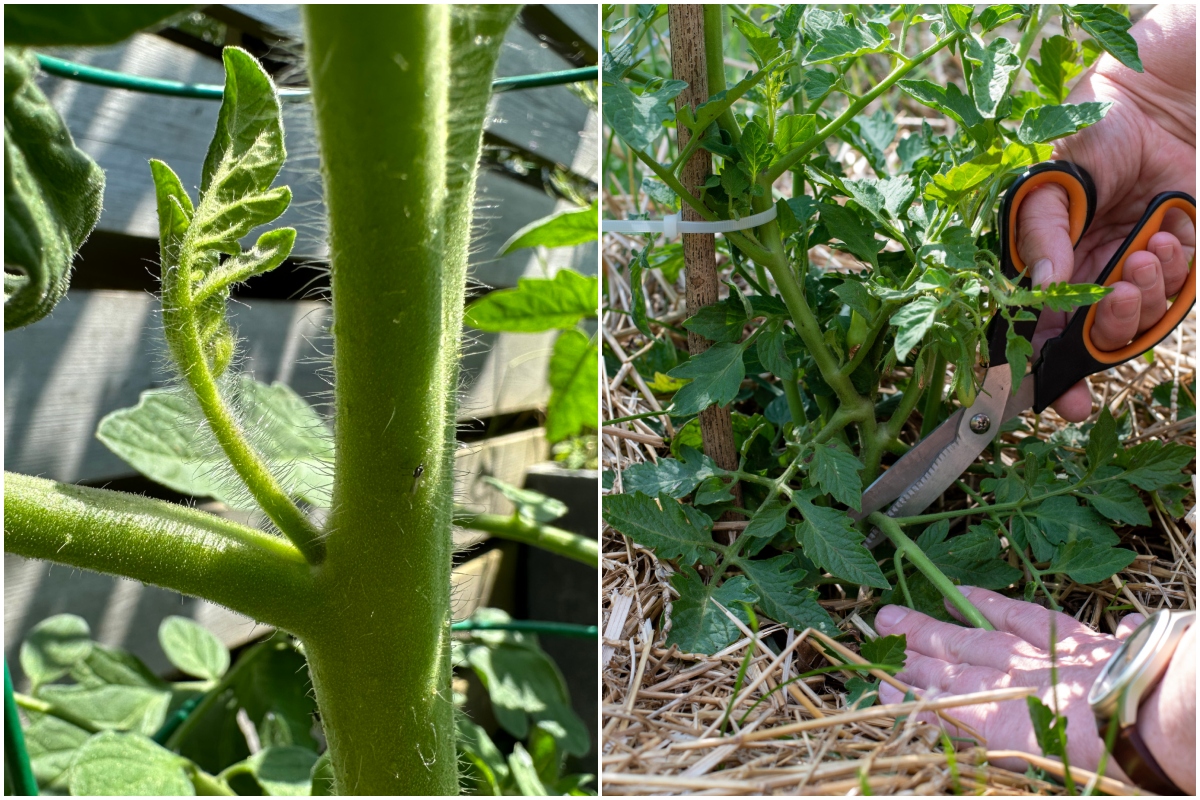
Suckers are small shoots that grow in the “V” between a leaf branch and the main stem. Left unchecked, they can:
- Turn into full-blown branches
- Create a tangled, overcrowded plant
- Reduce airflow, increasing disease risk
- Divert energy from fruit to unnecessary foliage
✅ How to Avoid It:
- Regularly inspect your plants and pinch off suckers when they are still small (under 4 inches).
- Focus on indeterminate tomatoes—suckers on determinate types can sometimes be left alone.
Expert Tip:
For a balance of vigor and yield, leave one or two strong suckers to grow if you want a “two-stem” or “multi-stem” system. This allows you to shape the plant while keeping it productive.
| Sucker Impact | Result if Ignored |
|---|---|
| Diverts energy from fruit | Smaller or fewer tomatoes |
| Creates dense, tangled growth | Less airflow, more disease |
| Harder to stake or support | Sprawling plants and broken stems |
Mistake #4: Pruning at the Wrong Time
❗ Why It’s a Problem:
Timing is everything in gardening. Pruning at the wrong time of day or season can:
- Stress the plant
- Spread disease
- Reduce flowering and fruiting
How to Avoid It:
- Prune in the morning on a dry, sunny day—this gives wounds time to heal and reduces disease risk.
- Avoid pruning right before or after rainfall when bacteria and fungus are more likely to spread.
- Do your major pruning early in the growing season to establish shape and airflow.
Expert Tip:
Continue light maintenance pruning throughout the season, especially in mid-to-late summer, to keep airflow high and growth under control
| Poor Timing Issue | Effect on Plants |
|---|---|
| Pruning after rain | Higher risk of fungal disease |
| Pruning during midday heat | Increases plant stress |
| Evening pruning | Cuts stay open overnight, allowing infections |
.
Bonus Tips for Smart Tomato Pruning

🔄 Keep Up a Weekly Pruning Routine
Don’t let your tomato jungle get out of hand! A little maintenance each week prevents big problems later.
Mulch After Pruning
After pruning, apply mulch around the base of the plant to retain moisture and suppress soil-borne diseases.
Water Carefully Post-Pruning
Give plants a deep drink after heavy pruning, but avoid soaking the leaves. Drip irrigation works best.
Sanitize Your Tools
Dirty shears can spread fungal and bacterial diseases like wildfire. Always disinfect your tools before and after each session.
| Week of Growth | Pruning Task |
|---|---|
| Week 2–3 | Remove any leaves touching soil; start suckers |
| Week 4–5 | Begin shaping indeterminate types |
| Mid-season | Thin out lower 12–18″ of plant for airflow |
| Late season | Top off indeterminate plants (remove terminal growing tips) to focus energy on ripening fruit |
The Payoff: What You Get From Pruning Properly
When you avoid the four worst tomato pruning mistakes and apply thoughtful, gentle techniques, your garden rewards you with:
- Bigger and more flavorful fruit
- Less disease pressure
- Better airflow and sunlight penetration
- A manageable, tidy tomato patch
- Longer and more productive growing season
It’s not about hacking your plant down—it’s about training it to thrive.
Table of Contents
FAQs About Tomato Pruning
Q1: Should I prune determinate tomato plants?
A: Generally, no. Determinate types set a fixed amount of fruit. Heavy pruning will reduce your yield. Only remove dead or diseased leaves.
Q2: What’s the best time of day to prune tomato plants?
A: Morning, especially on a dry day. It gives the plant time to heal and reduces the spread of disease.
Q3: Can pruning help ripen tomatoes faster?
A: Yes. Removing excess foliage and suckers can improve air circulation and sun exposure, helping fruit ripen more evenly and quickly.
Q4: How do I know which suckers to remove?
A: On indeterminate plants, remove small suckers that appear in the leaf axils (the V between the stem and leaf). For a double-stem system, leave one strong sucker below the first flower cluster.
Q5: Will pruning reduce tomato diseases?
A: Absolutely. Better airflow from pruning helps prevent fungal issues like blight and mildew.
Q6: Can I prune while the plant is fruiting?
A: Yes—but do it gently. Only remove lower or shaded leaves that aren’t helping the plant. Never cut near actively ripening fruit unless necessary.
Q7: Is it okay to prune a tomato plant that’s already very large?
A: Yes, but slowly. Avoid shocking the plant by removing too much at once. Spread pruning out over several days.
Final Thoughts: Prune Smarter, Harvest Bigger
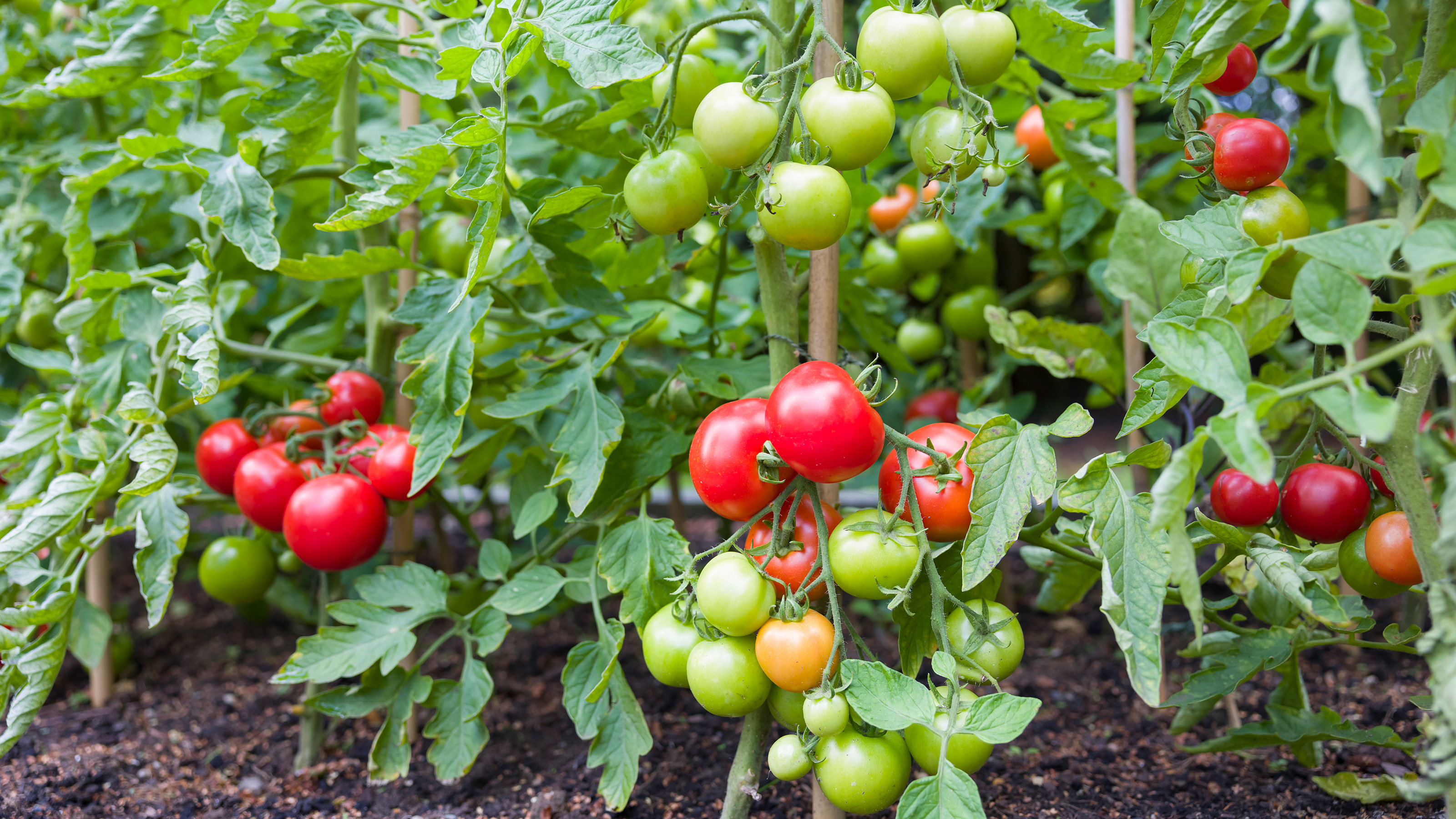
Pruning your tomatoes doesn’t need to be scary. By avoiding the 4 worst mistakes—over-pruning, removing too many leaves, ignoring suckers, and pruning at the wrong time—you’ll set your garden up for a massive, flavorful harvest.
A little care and attention now will pay off in baskets of juicy, sun-ripened tomatoes later. Whether you’re a beginner or a seasoned gardener, pruning the right way will always be a game-changer.